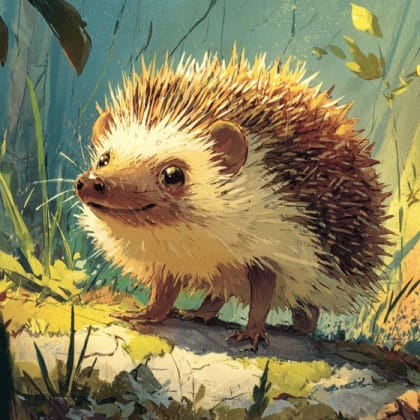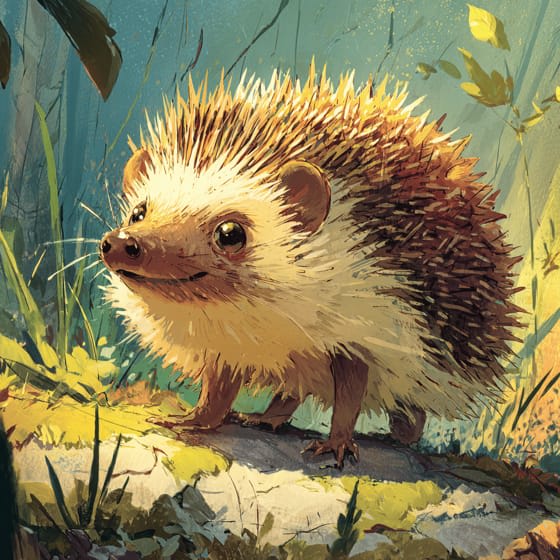





European Hedgehog
Erinaceus europaeus
Hedgehogs are small, spiny mammals that curl into balls when scared. They eat insects and small creatures.
Habitat: Gardens, woodlands, and fields.
The European Hedgehog has a rounded body covered in thousands of sharp, brown and cream banded spines, making it instantly recognizable. Its face is paler brown, featuring a small dark snout, tiny dark eyes, and small ears. Unlike other mammals, its spiny coat is its most striking and unique feature.
Category
MammalsRarity
Common
Danger
2/5 · Low
Snaps
1
A hedgehog's heart can beat much slower, just 5 times per minute, during hibernation!
Hedgehogs are often called 'gardeners' friends' for eating many common pests!
Hedgehogs build cozy nests called 'hibernaculums' to sleep safely through winter.
They can travel surprisingly far, up to 2 kilometers a night, while searching for food.
European Hedgehog can roll into a tight, impenetrable ball because its strong muscles pull skin and spines around its body, deterring predators.
European Hedgehog has special fat reserves that allow it to hibernate for months, helping them survive when food is scarce in winter.
European Hedgehog can find hidden food in the dark because it possesses an excellent sense of smell, guiding it to snacks.
Hedgehogs are busy eaters, munching on all sorts of creepy crawlies and small snacks found on the ground!
Meles meles
Badgers are a significant natural predator of hedgehogs.
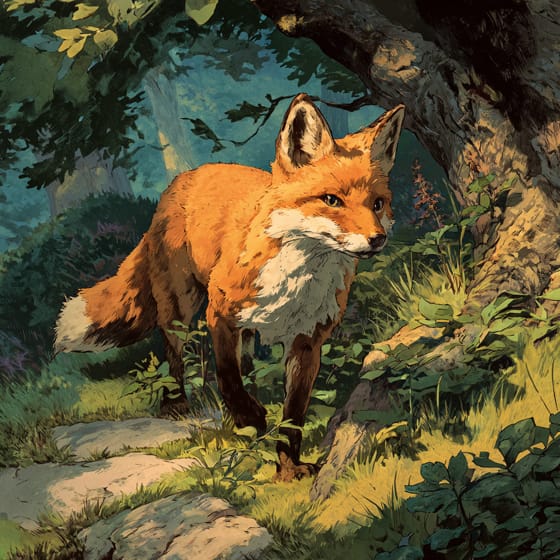
Vulpes vulpes
Foxes can prey on hedgehogs, especially vulnerable young ones.
Lumbricus terrestris
Earthworms are a primary food source for foraging hedgehogs.
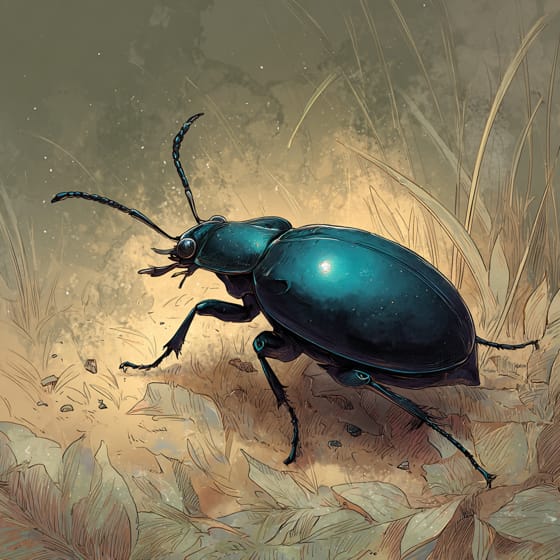
Carabus nemoralis
Various beetle species form a key part of their insect diet.
Furry describes animals possessing a dense covering of soft hair or fur.
Burrowing animals dig tunnels and chambers in the ground, using these subterranean structures for shelter, hunting, or breeding.
This trait identifies organisms whose diet primarily consists of insects and other small invertebrates.
This trait signifies organisms belonging to a very old evolutionary group with ancestors dating back millions of years.

Forest habitats are terrestrial environments dominated by dense tree cover, supporting a high diversity of plant and animal life.

Hibernating animals enter a state of metabolic depression during cold periods or when food is scarce, characterized by reduced body temperature and activity.

Possessing sharp, pointed projections or spines on the body or surface.

Regenerative organisms possess the ability to regrow lost or damaged body parts, tissues, or organs.

Nocturnal animals are primarily active during the nighttime hours, typically resting or sleeping during the day.
Danger
2/5 · Low
Hedgehogs are safe to watch but have sharp spines.
20-30 cm
0.8-2 kg
2-5 years
10 km/h
Hedgehogs are busy eaters, munching on all sorts of creepy crawlies and small snacks found on the ground!
Gardens, woodlands, and fields.
Foraging
4-6
Zoom in to split clusters and explore where this object has been snapped.

England, UK
You might spot Sika Deer, European Robin, and Eurasian Jackdaw.
View guide →

South Holland, NL
You might spot Grey Heron, Eurasian Jackdaw, and Common Moorhen.
View guide →
England, UK
You might spot Red Admiral, Large Red Damselfly, and Blue Emperor.
View guide →