





Mexican Free-tailed Bat
Tadarida brasiliensis
The Mexican Free-tailed Bat is a flying mammal that sleeps upside down in caves during the day and comes out at night to eat insects. They use echolocation to find their prey and can fly very fast.
Habitat: Cave Dwelling
The Mexican Free-tailed Bat is a small, stocky bat with dark brown to grayish-brown fur. It has large, forward-pointing ears and long, narrow wings. A key distinguishing feature is its tail, which extends noticeably beyond the membrane between its legs.
Category
MammalsRarity
Common
Danger
2/5 · Low
Snaps
3
Baby bats, called pups, gather in huge nursery groups inside their mothers' colonies!
Their tiny wrinkled lips actually help them sense and catch flying insects!
These bats have the longest migration of any bat in North America!
They can eat their own weight in insects every single night!
Mexican Free-tailed Bat can pinpoint tiny flying insects in total darkness because of their advanced echolocation system.
Mexican Free-tailed Bat can fly incredibly fast because their long, narrow wings are built for high-speed pursuit.
Mexican Free-tailed Bat has the ability to travel thousands of miles during migration that helps them find warm places and food.
Mexican Free-tailed Bat can consume huge numbers of night-flying insects because they hunt continuously for hours each night.
Zipping through the night, they catch moths, beetles, and other flying insects right out of the air!
Manduca sexta
A primary prey insect for the bat.
.jpg&width=800)
Nycticorax nycticorax
Preys on bats as they emerge from caves.
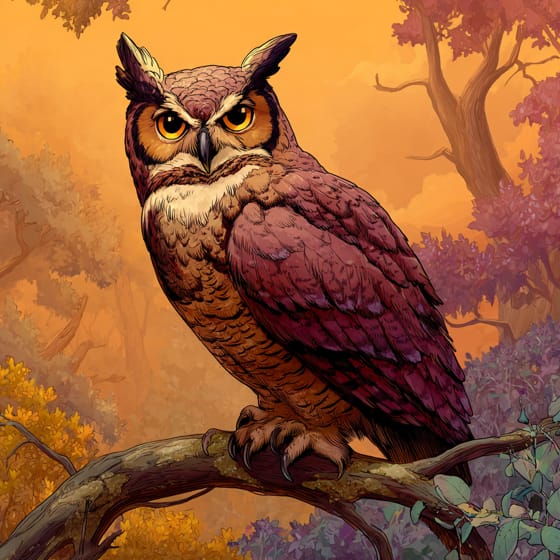
Bubo virginianus
A nocturnal predator of emerging bats.
Amblyomma cajennense
Attaches to bats, feeding on their blood.
Wildlife encompasses all undomesticated animal and plant life existing in their natural habitats.
Furry describes animals possessing a dense covering of soft hair or fur.
Social animals live in organized groups, cooperating for survival benefits such as foraging, defense, and raising offspring.
Cave dwelling describes organisms specifically adapted to live in underground cave systems, often exhibiting specialized traits due to lack of light.

This trait identifies organisms whose diet primarily consists of insects and other small invertebrates.

Echolocation is a biological sonar used by animals to navigate, hunt, and communicate by emitting sound waves and interpreting the echoes.

Describes a species whose presence and role have a disproportionately large effect on its environment.

Nocturnal animals are primarily active during the nighttime hours, typically resting or sleeping during the day.
Danger
2/5 · Low
Bats are shy animals, so it's best to watch them from a distance and not disturb them in their homes.
The easiest way to identify Mexican Free-tailed Bat is to use the Snappit nature identifier app.
9-14 cm
28-35 cm
0.007-0.015 kg
8-18 years
160 km/h
Zipping through the night, they catch moths, beetles, and other flying insects right out of the air!
Cave Dwelling
Zoom in to split clusters and explore where this object has been snapped.

Texas, US
You might spot Reticulated Giraffe, Zebra, and White Rhinoceros.
View guide →

Texas, US
You might spot Antelopehorn Milkweed and Lindheimer's Senna.
View guide →

Alabama, US
You might spot Chinese Tallow and Marbled Salamander.
View guide →

Texas, US
You might spot Pipevine Swallowtail and Antelopehorn Milkweed.
View guide →

North Carolina, US
You might spot Spiny Spikemoss, Carolina Wicky, and Longleaf Pine.
View guide →
Take the discovery with you
Snap it with Snappit to identify it, learn what makes it special, and add the discovery to your collection.





.jpg&width=800)



.JPG&width=800)



.jpg&width=800)
