Chuckwalla
Sauromalus
The Chuckwalla is a chunky lizard that loves to hide among rocks! It has a funny way of puffing up to feel safe.
Habitat: Rocky deserts
The Chuckwalla is a large, stocky lizard with a flattened body and loose skin that appears baggy. Males often boast striking reddish-orange or yellow bodies with darker heads and limbs, while females are more uniformly gray or tan, sometimes banded.
Category
ReptilesRarity
Common
Danger
2/5 · Low
Snaps
Be the first to snap!
Chuckwallas rarely drink water, getting all their moisture from the plants they eat!
Their name comes from the Cahuilla Native American word "caxwal"!
They can live for over 60 years in captivity, longer than many common pets!
They shed their skin in small patches over time, not all in one piece like a snake!
Chuckwalla can wedge into rock crevices and inflate its body because of its loose skin, which helps them escape predators.
Chuckwalla can darken its skin to absorb more sunlight for warmth because of special cells, which helps them regulate body temperature.
Chuckwalla can get all its water from plants because of its specialized diet, which helps them survive in arid environments.
Chuckwalla has a thick, powerful skull that helps males defend territory by engaging in head-butting contests with rivals.
These plant-eating lizards feast on flowers, leaves, and fruits found in their desert home.
Age differences: Juveniles may occasionally eat insects, but adults are strictly herbivorous.

Aquila chrysaetos
A large bird of prey that hunts chuckwallas from above.
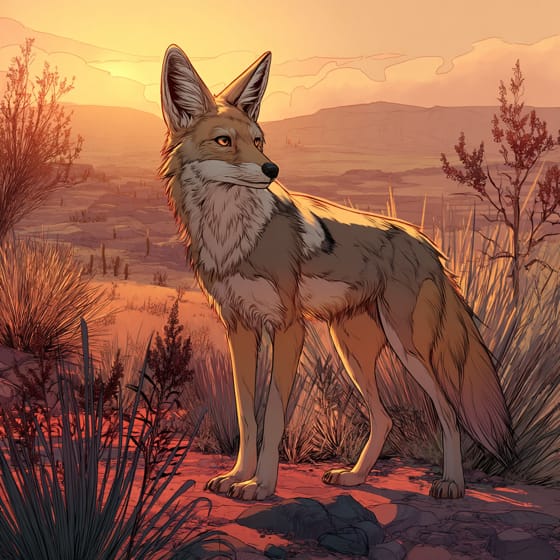
Canis latrans
A common desert predator that preys on chuckwallas.
Sphaeralcea ambigua
Chuckwallas frequently eat the colorful flowers and leaves of this plant.
Larrea tridentata
They forage on the leaves and flowers of this widespread desert shrub.
Wildlife encompasses all undomesticated animal and plant life existing in their natural habitats.
Solitary animals live alone for most of their lives, only interacting with others for mating or parental care.
Burrowing animals dig tunnels and chambers in the ground, using these subterranean structures for shelter, hunting, or breeding.
Camouflaged describes organisms that possess coloring or patterns that allow them to blend into their environment.

This trait characterizes organisms whose diet consists entirely or primarily of plant material.
Thermoregulating organisms maintain a stable internal body temperature despite fluctuations in the external environment.

Desert habitats are arid regions characterized by extremely low precipitation and often extreme temperatures, supporting specialized flora and fauna.

Nocturnal animals are primarily active during the nighttime hours, typically resting or sleeping during the day.
No aliases listed yet.
Danger
2/5 · Low
Look but don’t touch. Keep a safe distance and wash hands after exploring.
25-45 cm
0.5-1.5 kg
15-25 years
15 km/h
These plant-eating lizards feast on flowers, leaves, and fruits found in their desert home.
Rocky deserts
Foraging
5-16
Zoom in to split clusters and explore where this object has been snapped.
Recent snaps will appear here as new observations are added.