
African Elephant
.jpg&width=800)
Perched at an impressive 6,714 feet above sea level on the scenic Cheyenne Mountain, the Cheyenne Mountain Zoo in Colorado Springs offers a truly unparalleled wildlife adventure.
Perched at an impressive 6,714 feet above sea level on the scenic Cheyenne Mountain, the Cheyenne Mountain Zoo in Colorado Springs offers a truly unparalleled wildlife adventure. As the highest zoo in the United States, it provides not only intimate encounters with over 750 animals representing nearly 170 species but also breathtaking panoramic views of Colorado Springs and the vast plains to the east. More than "just watching," the zoo is designed for hands-on, immersive experiences that connect visitors deeply with the animal kingdom. A highlight for many is the African Rift Valley exhibit, home to one of the largest reticulated giraffe herds in the world. Visitors can stand eye-to-eye with these majestic creatures on an elevated boardwalk and even hand-feed them lettuce, creating unforgettable memories.
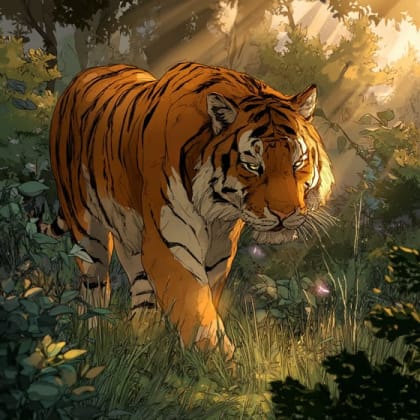
Beyond the giraffes, the zoo boasts diverse habitats like Encounter Africa, where you can observe African elephants, black rhinoceros, and playful meerkats. Water's Edge: Africa offers unique underwater viewing opportunities for Nile hippos and African penguins, showcasing their natural behaviors. The Asian Highlands transports guests to the mountains of Asia, where Amur tigers, snow leopards, and red pandas roam naturalistic habitats. For a taste of local wildlife, Rocky Mountain Wild features grizzly bears, Mexican wolves, and moose.
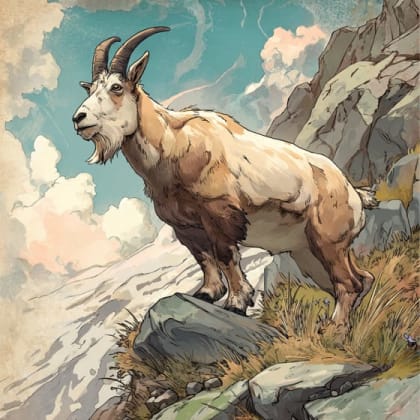
The visitor experience is further enhanced by attractions such as the Mountaineer Sky Ride, an open-air chairlift that glides high above exhibits like the Rocky Mountain goats, grizzly bears, and Amur tigers, offering spectacular aerial views of the zoo and surrounding landscape. The zoo also features a historic carousel dating back to 1925 and includes admission to the Will Rogers Shrine of the Sun, a historic landmark with sweeping vistas. Cheyenne Mountain Zoo is consistently recognized for its excellence, having been ranked among the top zoos in North America by USA Today. Its commitment to conservation is evident through its breeding programs for endangered species and its "Quarters for Conservation" initiative, which has raised millions for global wildlife protection. Unlock an interactive field guide for this spot: get the Snappit app to identify nature on the go.
The Cheyenne Mountain Zoo's unique story began in 1916 when philanthropist Spencer Penrose received a bear as a gift. As his collection of exotic animals grew, they were initially housed at his Broadmoor Hotel. However, after a monkey bit a hotel guest, Penrose decided a more suitable home was needed, leading to the founding of Cheyenne Mountain Zoo in 1926. In 1938, Penrose officially incorporated the zoo as a non-profit public trust, dedicating it to the people of Colorado Springs for recreation, education, conservation, and scientific facilities. To this day, the zoo operates as a non-profit organization, relying on admissions, memberships, donations, and grants rather than local or regional public tax support, a testament to Penrose's enduring legacy.
Engage with keeper talks and animal demonstrations scheduled throughout the day. Take advantage of interactive feeding opportunities beyond giraffes, such as budgies. Explore the historic carousel and enjoy lunch with a view at one of the on-site eateries.
Summer: All attractions are typically open, but afternoon thunderstorms are common. Fall/Spring: Cooler temperatures can mean more active animals and fewer crowds. Winter: The "Electric Safari" transforms the zoo with dazzling lights during the holiday season, and animals can be very playful in light snow.
The zoo is committed to accessibility and abides by ADA guidelines. While the terrain is hilly, accessible routes are available for all major exhibits. A wheelchair and stroller-friendly guest shuttle operates regularly for a small fee, assisting with inclines. Manual wheelchairs and motorized scooters are available for rent on a first-come, first-served basis. The zoo is also a KultureCity partner, offering sensory bags with noise-reducing headphones and quiet zones for neurodiverse guests. Reserved parking spaces are available for guests with disabilities near the entrance.
A signature experience allowing you to hand-feed lettuce to the giraffes from an elevated platform.
An open-air chairlift offering incredible views over the zoo and the surrounding mountains.
Africa: Observe hippos swimming underwater and African penguins interacting in their habitat.
See Amur tigers, snow leopards, and red pandas in their naturalistic mountainside enclosures.
Each card links to a full Explore page with photos, traits, and fun facts.
Start with the big picture, then zoom in to explore individual wildlife observations around this place.
Purchase Tickets Online in Advance
Timed-entry tickets are required for all guests, including members, and popular time slots can sell out quickly.
Arrive Early
Get there right at opening to take advantage of cooler temperatures, more active animals, and better parking availability. Off-site parking with shuttle service begins once the main lot fills.
Wear Appropriate Footwear and Hydrate
The zoo's mountainous terrain means lots of uphill walking, so comfortable shoes are a must. Bring a refillable water bottle to stay hydrated at the high altitude.
Utilize the Guest Shuttle
If walking inclines is a concern or you're with small children, consider using the golf cart shuttle service ($3/day) that travels along the main zoo road.
Don't Miss Giraffe Feeding
This iconic interactive experience is a must-do. Purchase lettuce bundles for a small fee for an unforgettable close encounter.
Check the Daily Schedule
Plan your visit around animal demonstrations and keeper talks to get the most out of your experience and learn directly from the experts.
Dress in Layers and Bring Sunscreen
The mountain weather can be unpredictable, and the high altitude intensifies the sun's rays.
Feb 24, 2026
Feb 23, 2026
Feb 23, 2026
Feb 23, 2026
Feb 22, 2026

Michigan, US
You might spot African Lion, Komodo Dragon, and Brown Bear.
View guide →
.jpg)
Municipal District of Cobh, IE
You might spot Ring-Tailed Lemur, Giraffes, and Cheetahs.
View guide →

Nouvelle-Aquitaine, FR
You might spot Greater Flamingo, Giraffes, and Red Panda.
View guide →

Texas, US
You might spot Giraffes, African Lion, and Eastern Black Rhinoceros.
View guide →
Take the discovery with you
Identify the wildlife you spot, learn as you go, and keep a collection of the adventure.