




Deer Mouse
Peromyscus maniculatus
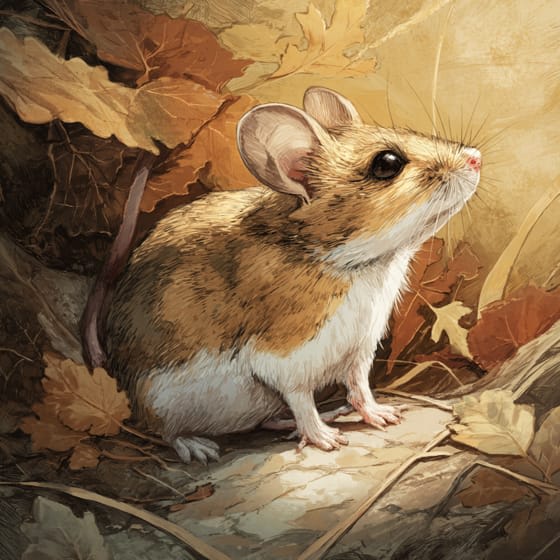
The Deer Mouse is a small, friendly creature with big ears and a soft coat. They love to explore their homes in the wild and are very curious!
The Deer Mouse has soft, reddish-brown or grayish fur on its back and a stark white belly, chest, and feet. Its tail is often bicolored, dark on top and white underneath, which helps distinguish it from other mice. It also has large ears and big, dark eyes.
Category
MammalsRarity
Common
Danger
1/5 · Very low
Snaps
1
A Deer Mouse can build very elaborate nests with tunnels and multiple rooms!
Deer Mice can live almost anywhere, from forests to deserts, making them super adaptable!
These tiny mice can squeeze through holes smaller than a dime!
They can actually swim pretty well, using their tails to steer in water!
Deer Mouse has large, dark eyes that help them see well in very dim light, perfect for finding food at night!
Deer Mouse can smell incredibly well, helping them locate tiny seeds and nuts hidden under leaves and snow.
Deer Mouse can jump and climb with amazing agility, helping them escape predators and reach yummy food sources.
This little omnivore enjoys a varied diet of seeds, fruits, fungi, and tasty insects.
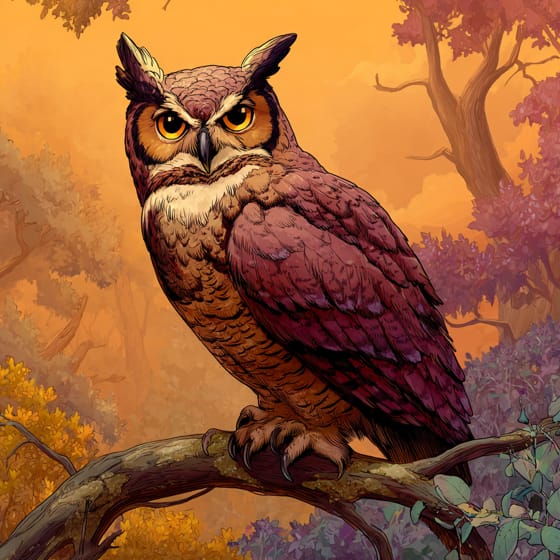
Bubo virginianus
A common nocturnal predator of deer mice.
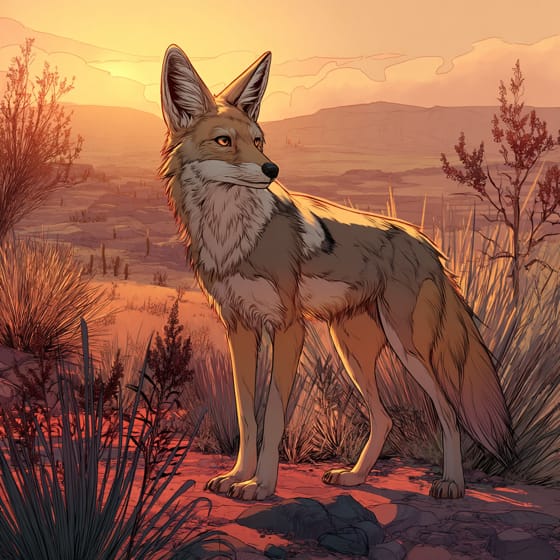
Canis latrans
Hunts deer mice as part of its varied diet.
Pinus ponderosa
Feeds on seeds from these trees.
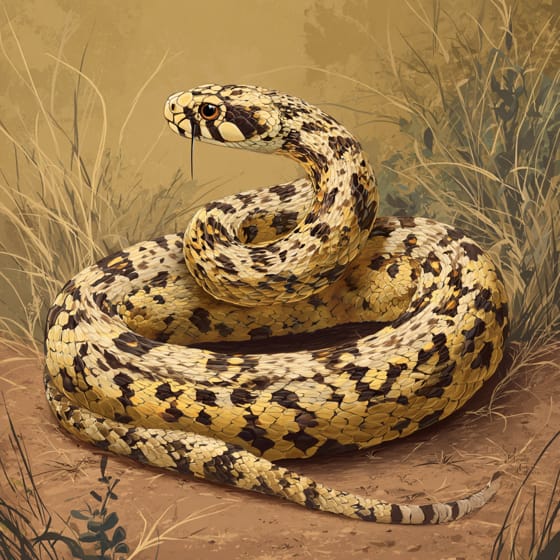
Pituophis catenifer
Preys on deer mice in grasslands.
Wildlife encompasses all undomesticated animal and plant life existing in their natural habitats.
Furry describes animals possessing a dense covering of soft hair or fur.
Social animals live in organized groups, cooperating for survival benefits such as foraging, defense, and raising offspring.
This trait identifies organisms whose diet includes both plant and animal matter.

Forest habitats are terrestrial environments dominated by dense tree cover, supporting a high diversity of plant and animal life.

Nocturnal animals are primarily active during the nighttime hours, typically resting or sleeping during the day.
Danger
1/5 · Very low
Deer Mice are gentle animals, but it's best to watch them from a distance in nature.
12-28 cm
0.01-0.035 kg
1-2 years
12 km/h
This little omnivore enjoys a varied diet of seeds, fruits, fungi, and tasty insects.
Foraging
3-7
20-25 days
Zoom in to split clusters and explore where this object has been snapped.

New York, US
You might spot Common Ostrich, Equus Africanus Asinus, and Serval.
View guide →
Michigan, US
You might spot Duck, Jack-In-The-Pulpit, and Mayapple.
View guide →
Manitoba, CA
You might spot Prairie Skink, Smooth Greensnake, and Admiral Butterfly.
View guide →