




Caiman
Caiman
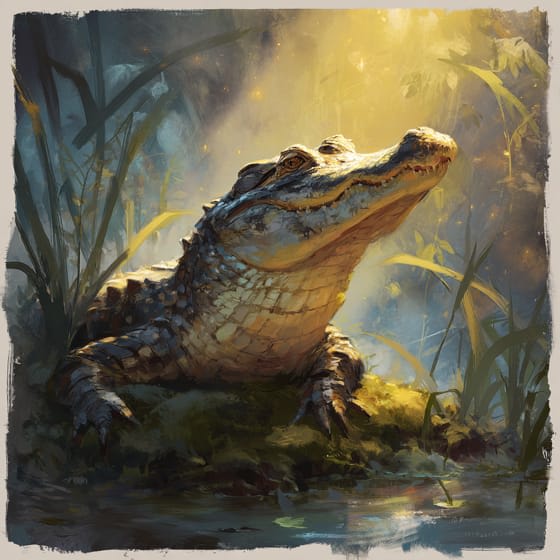
Caimans are small crocodilians that love to swim in rivers and lakes. They are playful and enjoy basking in the sun.
Habitat: Freshwater rivers and lakes
The Caiman has a strong, scaled body, often mottled green or brown, which provides excellent camouflage. Its head features a distinctive V-shaped or U-shaped snout and bony ridges above the eyes. Unlike alligators, some species have a narrower, more pointed jaw structure.
Category
ReptilesRarity
Rare
Danger
2/5 · Low
Snaps
Be the first to snap!
Caiman gender is decided by the temperature of their eggs during incubation!
Caimans are part of the Crocodilia order, making them cousins to alligators and crocodiles.
Some caimans swallow stones to help them digest food and stay submerged underwater.
They can replace lost or broken teeth throughout their entire lives, often growing thousands!
Caiman can remain perfectly still for hours, using ambush hunting tactics to surprise unsuspecting prey in the water.
Caiman has a clear nictitating membrane that helps them see underwater and protect their eyes from debris.
Caiman can bask in the sun or cool off in water, regulating its body temperature as a cold-blooded reptile.
Caimans are fierce hunters, eating mostly meat, from small bugs to big fish and mammals!
Age differences: Young caimans eat insects and small invertebrates, while adults hunt larger prey like fish and mammals.
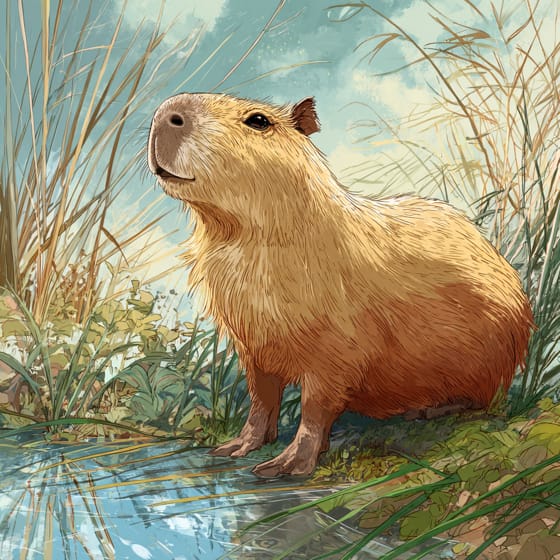
Hydrochoerus hydrochaeris
Large rodents are common prey for adult caimans.
Pygocentrus nattereri
Smaller caimans can be prey for aggressive piranhas.
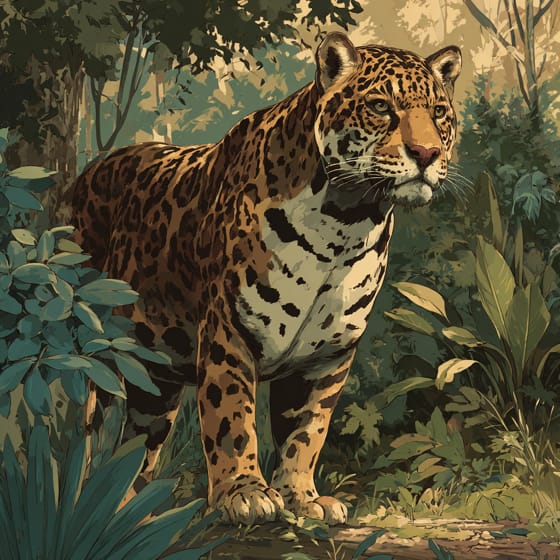
Panthera onca
Large jaguars are apex predators that sometimes hunt adult caimans.
Hoplias malabaricus
Common fish species often hunted by caimans in their aquatic habitats.
Wildlife encompasses all undomesticated animal and plant life existing in their natural habitats.
An ambush predator hunts by patiently waiting and concealing itself, then launching a sudden attack when unsuspecting prey comes within range.
This trait signifies organisms belonging to a very old evolutionary group with ancestors dating back millions of years.
This trait identifies organisms whose diet consists entirely or primarily of animal tissue.

Freshwater habitats include non-saline aquatic environments such as rivers, lakes, ponds, and wetlands, vital for numerous species.

Regenerative organisms possess the ability to regrow lost or damaged body parts, tissues, or organs.

Aquatic habitats encompass environments where organisms live predominantly in water, including oceans, rivers, lakes, and wetlands.

Nocturnal animals are primarily active during the nighttime hours, typically resting or sleeping during the day.
No aliases listed yet.
Danger
2/5 · Low
Look but don’t touch. Keep a safe distance and wash hands after exploring.
120-400 cm
6-600 kg
30-60 years
18 km/h
Caimans are fierce hunters, eating mostly meat, from small bugs to big fish and mammals!
10 km/h
Freshwater rivers and lakes
Ambush
Zoom in to split clusters and explore where this object has been snapped.
Recent snaps will appear here as new observations are added.