

Norwegian Forest Cat
Felis silvestris catus
A Norwegian Forest Cat is a large, fluffy breed with a thick coat built for cold weather. It is gentle and enjoys climbing.
Habitat: Homes with climbing spots; cool climates
The Norwegian Forest Cat is a large, sturdy cat with a thick, shaggy double coat, often featuring a ruff and britches. Its waterproof fur comes in many colors and patterns, and it has tufted ears and a long, bushy tail.
Category
MammalsRarity
Common
Danger
1/5 · Very low
Snaps
Be the first to snap!
In Norway, they are proudly called "Skogkatt," which simply means "forest cat."
Some legends say these cats pulled the chariot of the Norse goddess Freya!
Their thick double coat is so waterproof it feels oily, perfect for snowy adventures!
These gentle giants don't just meow; they often "chatter" and trill to communicate!
Norwegian Forest Cat has a double, water-repellent coat that helps them stay warm and dry in cold, snowy climates.
Norwegian Forest Cat can climb trees expertly because of their strong claws and muscular legs, perfect for exploring.
Norwegian Forest Cat has a long, bushy tail that acts like a counterbalance, helping them keep steady while climbing.
They primarily hunt and eat small animals like rodents and birds.
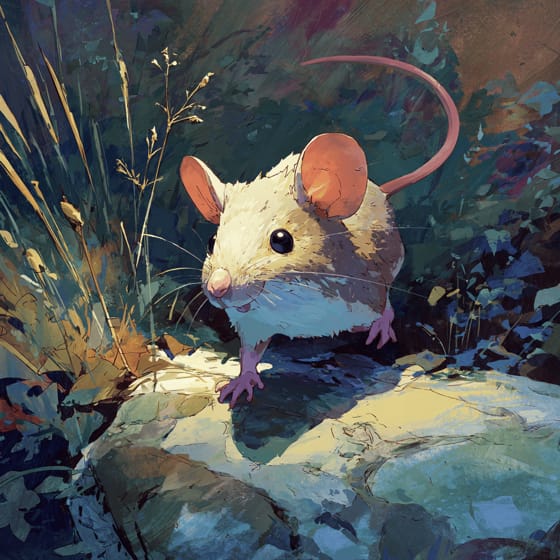
Mus musculus
Keeps rodent populations in check, especially on farms.
Parus major
Known to prey on small birds in their natural habitat.
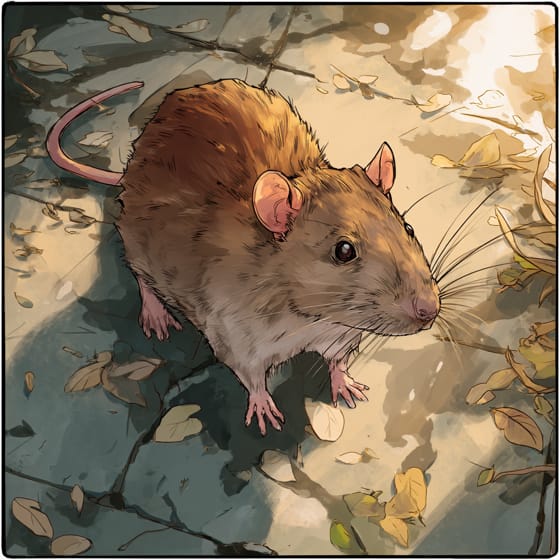
Rattus norvegicus
Effective hunters of larger rodents like rats.
Wildlife encompasses all undomesticated animal and plant life existing in their natural habitats.
Furry describes animals possessing a dense covering of soft hair or fur.
Possessing prominent sensory hairs or vibrissae, often around the snout.
Arboreal animals live primarily in trees, utilizing them for shelter, food, and protection from predators.

Domesticated refers to species that have been selectively bred and tamed by humans for specific purposes.

Forest habitats are terrestrial environments dominated by dense tree cover, supporting a high diversity of plant and animal life.

This trait identifies organisms whose diet consists entirely or primarily of animal tissue.

Nocturnal animals are primarily active during the nighttime hours, typically resting or sleeping during the day.
Danger
1/5 · Very low
Brush gently and give them space to climb safely.
55-75 cm
3.5-9 kg
14-18 years
40 km/h
They primarily hunt and eat small animals like rodents and birds.
Homes with climbing spots; cool climates
Ambush
4-6
Zoom in to split clusters and explore where this object has been snapped.
Recent snaps will appear here as new observations are added.