






Pacific Herring
Clupea harengus pallasi
The Pacific Herring is a small fish with a shiny body that swims in the Pacific Ocean. They are known for their tasty flavor!
Habitat: Pacific Ocean
The Pacific Herring has a slender, torpedo-shaped body with a dark blue-green back and brilliant silvery sides. It lacks scales on its head and has a deeply forked tail, making it appear sleek and quick underwater.
Category
FishRarity
Common
Danger
2/5 · Low
Snaps
Be the first to snap!
Herring eggs are incredibly sticky and can coat entire seabeds during spawning!
Pacific Herring communicate by releasing gas from their anuses – essentially, they 'fart'!
Their tiny scales were once collected and used to make artificial pearls sparkle.
They are sometimes called 'silver of the sea' due to their shiny scales and abundance.
Pacific Herring can gather in massive schools because of their strong social bonds that helps them confuse predators.
Pacific Herring has excellent hearing that helps them detect approaching predators and communicate with their schoolmates.
Pacific Herring can lay tens of thousands of sticky eggs quickly that helps them ensure many survive and attach to surfaces.
Pacific Herring are filter-feeders, mostly eating tiny ocean critters and plants.
Age differences: Young herring eat smaller zooplankton; adults consume a wider range of larger plankton.
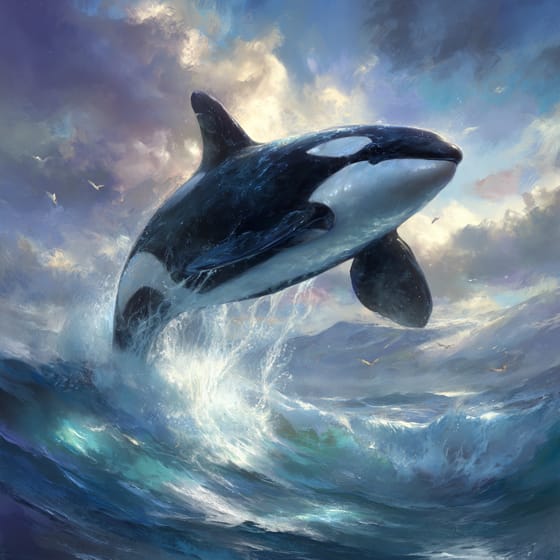
Orcinus orca
Orcas hunt herring schools for energy.

Phoca vitulina
Harbor seals are common predators of Pacific Herring.
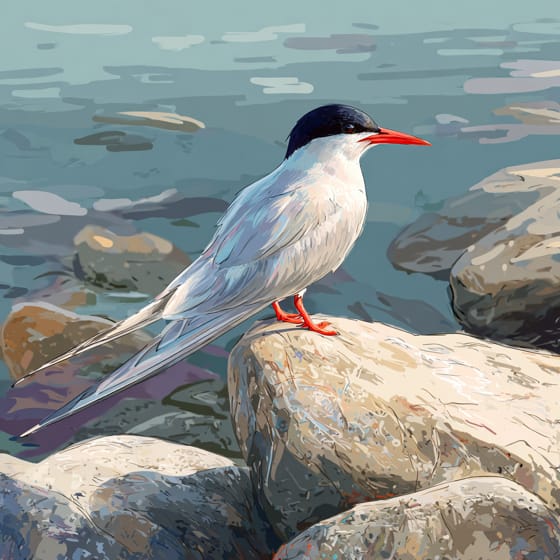
Sterna paradisaea
Terns dive into schools to catch these silvery fish.
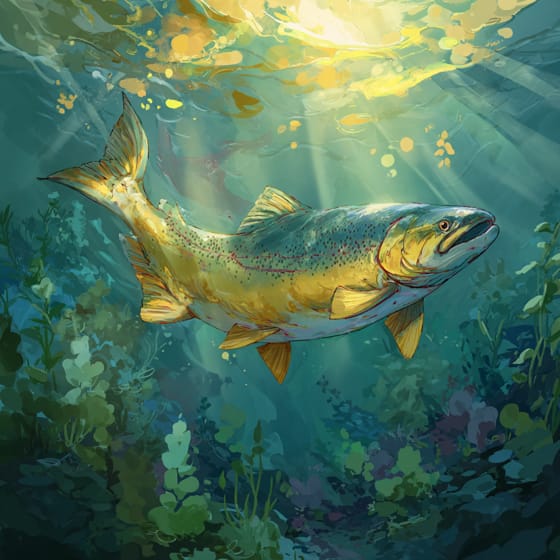
Oncorhynchus tshawytscha
Many salmon species rely on herring for food.
Euphausia pacifica
Herring filter-feed on krill and other tiny ocean critters.
Wildlife encompasses all undomesticated animal and plant life existing in their natural habitats.
Filter feeders obtain nutrients by straining suspended food particles and small organisms from water.
Piscivorous organisms are animals that primarily subsist on a diet of fish.
Aquatic habitats encompass environments where organisms live predominantly in water, including oceans, rivers, lakes, and wetlands.

Marine habitats encompass all saltwater environments of the Earth's oceans, supporting an immense diversity of aquatic life.
Danger
2/5 · Low
Watch quietly from a distance and never try to feed or chase wild animals.
15-30 cm
0.1-0.5 kg
5-15 years
Pacific Herring are filter-feeders, mostly eating tiny ocean critters and plants.
25 km/h
Pacific Ocean
Filter Feeding
200 m
Zoom in to split clusters and explore where this object has been snapped.
Recent snaps will appear here as new observations are added.














