

Switchgrass
Panicum virgatum
Switchgrass is a tall grass that sways beautifully in the wind! It’s great for helping to keep soil healthy.
Habitat: Wetlands and fields
The Switchgrass is a tall, clumping grass with slender leaves that shift from bluish-green in summer to golden-bronze in autumn. Its airy, delicate seed heads form a distinctive feathery plume, making it stand out in open fields and prairies.
Category
PlantsRarity
Common
Danger
1/5 · Very low
Snaps
4
Even after leaves dry, its strong stalks stand tall all winter, providing animal homes!
It can actually help clean up polluted soil and water like a natural filter!
Its roots can reach deeper than a car is long, holding soil together!
This super grass is a top choice for making clean-burning biofuel!
Its dense root system prevents soil erosion and adds organic matter, making the earth healthier for other plants.
Switchgrass uses a special photosynthesis method (C4) that lets it grow super fast, even in hot, sunny conditions.
Its sturdy, upright stalks remain standing through winter, offering vital shelter and food for small animals.
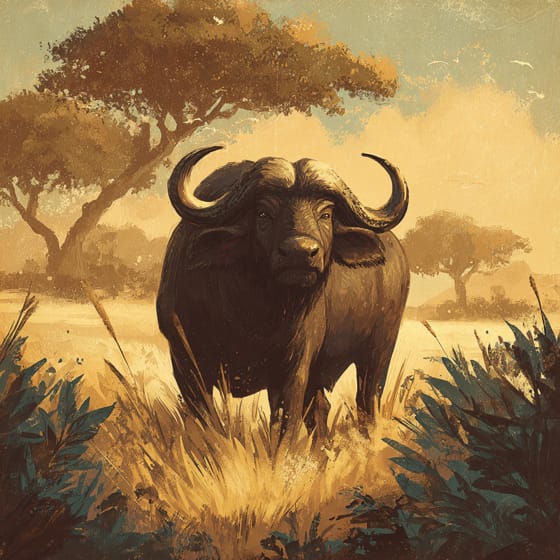
Bison bison
A primary food source for large grazing mammals.

Odocoileus virginianus
Deer browse on its tender leaves and shoots.
Colinus virginianus
Dense clumps provide safe nesting and hiding spots.
Melanoplus differentialis
Common insect herbivore feeding on leaves.
Deciduous plants periodically shed all their leaves, typically during autumn or dry seasons.
Grass-like plants are herbaceous plants that visually resemble true grasses, typically having long, narrow leaves.
Drought-tolerant plants can survive and flourish in conditions with limited water availability.
This human use trait identifies species that yield natural fibers, used by humans for textiles, rope, paper, and other manufactured goods.

Grassland habitats are terrestrial biomes dominated by grasses and herbaceous plants, supporting a variety of grazing animals.

Rapid growing plants exhibit accelerated growth rates, quickly increasing in size and biomass within a short period.
Danger
1/5 · Very low
Explore with care and ask an adult if you’re unsure what to do.
100-300 cm
60-90 cm
Summer-fall
No
None
Perennial
Wind
Wetlands and fields
Zoom in to split clusters and explore where this object has been snapped.

North Dakota, US
You might spot Red Fox, Gray Wolf, and Equus Africanus Asinus.
View guide →

New York, US
You might spot African Lion, Giraffes, and Tiger.
View guide →
.jpg)
South Dakota, US
You might spot Leopard Frog, Red-Winged Blackbird, and Dame's Rocket.
View guide →
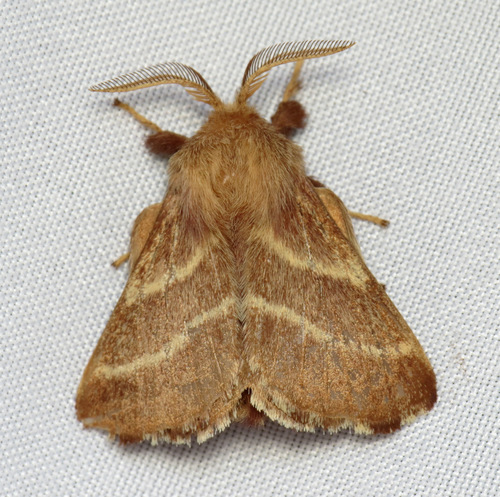
New York, US
You might spot Eastern Tent Caterpillar Moth and Common Mugwort.
View guide →