
Polar Bear
The Buffalo Zoo, nestled in Buffalo, New York, offers a captivating journey into the world of wildlife and conservation.
The Buffalo Zoo, nestled in Buffalo, New York, offers a captivating journey into the world of wildlife and conservation. As the seventh oldest zoo in the United States, established in 1875, it spans 23.5 acres within the historic Delaware Park, showcasing a diverse collection of over 1,200 animals and more than 320 plant species from across the globe. The zoo is dedicated to providing visitors with an engaging and educational experience, focusing on naturalistic habitats that reflect the biomes of the world and active participation in breeding programs for endangered species. Visitors to the Buffalo Zoo are treated to an immersive adventure, moving through meticulously designed exhibits that bring them face-to-face with fascinating creatures.
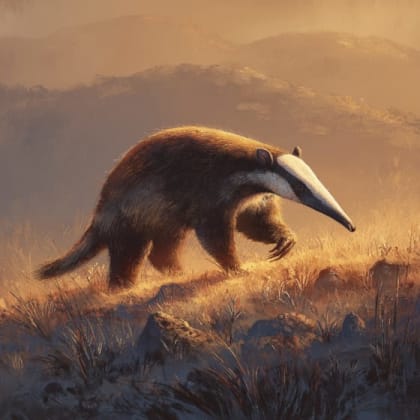
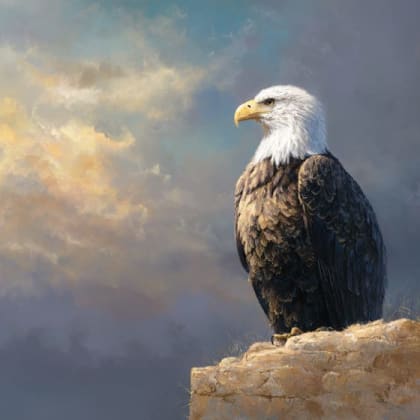
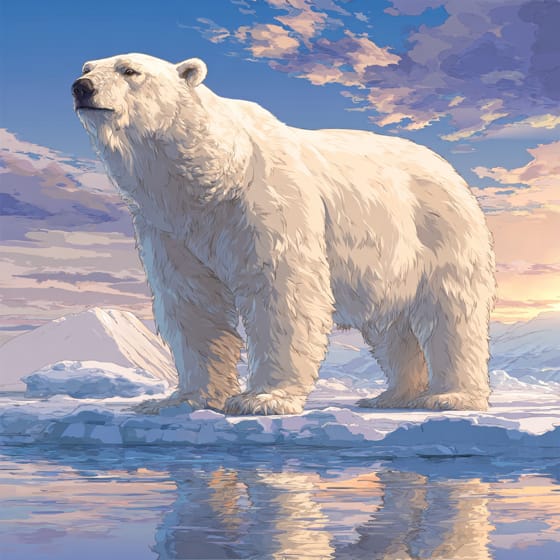
Highlights include the tropical warmth of the M&T Bank Rainforest Falls, where a two-story waterfall cascades amidst free-flighted birds, playful black howler monkeys, stealthy ocelots, and unique giant anteaters. In stark contrast, the Arctic Edge transports guests to a frozen landscape, home to the majestic polar bears Luna and Sakari, alongside agile Arctic foxes and keen-eyed bald eagles, offering unique underwater viewing opportunities. The experience is designed to be both delightful and informative, making it a perfect destination for families and wildlife enthusiasts eager to learn about and connect with the natural world. Beyond observation, the Buffalo Zoo fosters a deep appreciation for conservation and the interconnectedness of species and their environments.
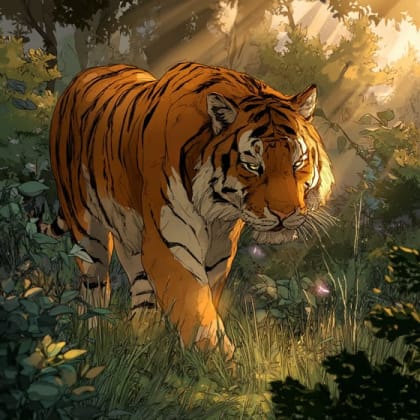
The Delta Sonic Heritage Farm, for instance, not only features heritage breeds of domestic animals but also educates about the historical significance of the Erie Canal and water conservation. The Vanishing Animals exhibits introduce guests to magnificent creatures like Amur tigers, African lions, and snow leopards, underscoring the zoo's commitment to protecting vulnerable and endangered species through breeding programs and research. Every visit supports these vital efforts, ensuring a memorable and impactful experience for all ages. Wondering what that bird or insect is? Find out on your visit using the Snappit nature app.
The Buffalo Zoo traces its origins to 1870 when local furrier Jacob E. Bergtold donated a pair of deer to the city of Buffalo. Elam R. Jewett, a prominent publisher, offered his estate to house them, and by 1875, with the construction of the first permanent building, the Buffalo Zoological Gardens was officially established. The renowned landscape architect Frederick Law Olmsted, who designed Buffalo's Delaware Park, incorporated the zoo into his vision. The zoo underwent significant expansion during the Great Depression, benefiting from Works Progress Administration projects, including the construction of the Buffalo Zoo Entrance Court between 1935 and 1938, which is now listed on the National Register of Historic Places. Under the curatorship of Marlin Perkins from 1938 to 1944, the animal collection flourished. In the 1980s, the zoo's philosophy shifted to prioritize breeding endangered species and focusing on conservation and education, a mission that continues to guide its operations today.
Explore the various habitats, observe animals, learn about conservation efforts, and consider booking an animal encounter (giraffe or sloth) for an up-close experience. Check the daily schedule for keeper talks and feeding times.
In winter, the zoo is a great escape from the cold, especially the warm Rainforest Falls. Arctic animals like polar bears and Arctic foxes are particularly active and their coats are at their thickest in colder weather. During warmer months, all outdoor exhibits are in full swing.
The Buffalo Zoo is designed with inclusivity in mind, featuring step-free entrances and spacious, paved pathways suitable for wheelchair users. Accessible restrooms are available, and the zoo partners with KultureCity to offer sensory bags containing noise-reducing headphones, fidgets, and visual cue cards for guests with invisible disabilities. Manual wheelchairs may be available for rent, with some reports indicating they are free.
M&T Bank Rainforest Falls for its immersive tropical environment and diverse species
Arctic Edge to see polar bears with unique underwater viewing
Vanishing Animals area for majestic African lions, Amur tigers, and snow leopards
Delta Sonic Heritage Farm offers a charming historical perspective with heritage breed animals
Each card links to a full Explore page with photos, traits, and fun facts.
Start with the big picture, then zoom in to explore individual wildlife observations around this place.
Purchase Tickets Online
To save time and ensure quick entry, it is recommended to reserve your general admission tickets online in advance, though walk-ups are accepted.
Check Daily Schedule
Upon arrival, grab a map and check the daily schedule for keeper talks, feeding demonstrations, and other special events to plan your visit efficiently.
Visit Rainforest Falls in Winter
If visiting during colder months, make sure to spend time in the M&T Bank Rainforest Falls to enjoy its warm, humid environment – a perfect tropical escape.
Consider an Animal Encounter
For a truly unique experience, book an animal encounter with species like giraffes or sloths. These provide incredible photo opportunities and insights into animal care.
Utilize Sensory Support
If you or a family member has sensory sensitivities, inquire about the sensory bags offered through the zoo's partnership with KultureCity, which include noise-reducing headphones and fidgets.
Wear Comfortable Footwear
The zoo spans 23.5 acres, so comfortable walking shoes are highly recommended to explore all the exhibits without discomfort.
Mar 1, 2026
Mar 1, 2026
Mar 1, 2026
Feb 24, 2026
Feb 24, 2026

Michigan, US
You might spot African Lion, Komodo Dragon, and Brown Bear.
View guide →
.jpg)
Municipal District of Cobh, IE
You might spot Ring-Tailed Lemur, Giraffes, and Cheetahs.
View guide →

Nouvelle-Aquitaine, FR
You might spot Greater Flamingo, Giraffes, and Red Panda.
View guide →

Texas, US
You might spot Giraffes, African Lion, and Eastern Black Rhinoceros.
View guide →
Take the discovery with you
Identify the wildlife you spot, learn as you go, and keep a collection of the adventure.