






Black Rat Snake
Pantherophis alleghaniensis
The Black Rat Snake is a long, shiny black snake that is great at climbing trees! They often help farmers by eating rodents.
Habitat: Woodlands and farmlands
The Black Rat Snake is a long, slender snake with a shiny, uniformly black body. Its belly often has a distinctive black and white checkerboard pattern, sometimes fading to grey. Young snakes are blotched gray, looking very different from adults.
Category
ReptilesRarity
Common
Danger
2/5 · Low
Snaps
15
Baby Black Rat Snakes are blotched grey, looking very different from their parents!
These amazing climbers can scale rough tree trunks straight up, with no branches!
They are fantastic rodent controllers, protecting farms and barns from pests!
They often vibrate their tail in dry leaves to sound like a dangerous rattlesnake!
Black Rat Snake can squeeze prey tightly because of its powerful muscles that help them constrict victims.
Black Rat Snake can climb high into trees and structures because of specialized scales that help them grip surfaces.
Black Rat Snake can remain perfectly still for long periods because of its dark camouflage that helps them blend into shadows.
This snake eats small animals like rodents and birds to stay healthy and strong.
Peromyscus leucopus
A primary food source for this snake throughout its life.
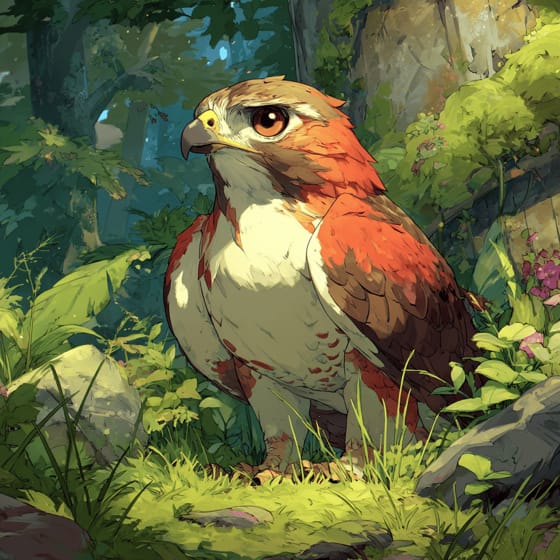
Buteo jamaicensis
Younger snakes can be prey for large birds of prey.
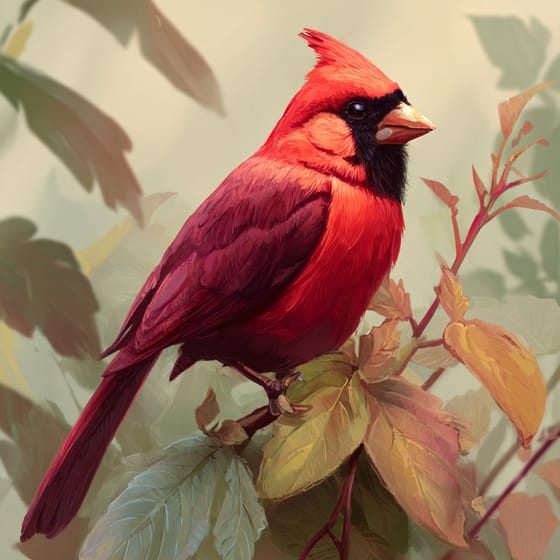
Cardinalis cardinalis
Climbs trees to raid nests for eggs and young birds.
Didelphis virginiana
Opossums can prey on eggs and smaller snakes.
Wildlife encompasses all undomesticated animal and plant life existing in their natural habitats.
Arboreal animals live primarily in trees, utilizing them for shelter, food, and protection from predators.
Forest habitats are terrestrial environments dominated by dense tree cover, supporting a high diversity of plant and animal life.
This trait characterizes organisms with an exceptionally long lifespan compared to others of their kind.

This trait identifies organisms whose diet consists entirely or primarily of animal tissue.

Nocturnal animals are primarily active during the nighttime hours, typically resting or sleeping during the day.
Danger
2/5 · Low
Look but don’t touch. Keep a safe distance and wash hands after exploring.
106-259 cm
0.5-2.5 kg
10-25 years
2 km/h
This snake eats small animals like rodents and birds to stay healthy and strong.
Woodlands and farmlands
Ambush
6-30
Zoom in to split clusters and explore where this object has been snapped.
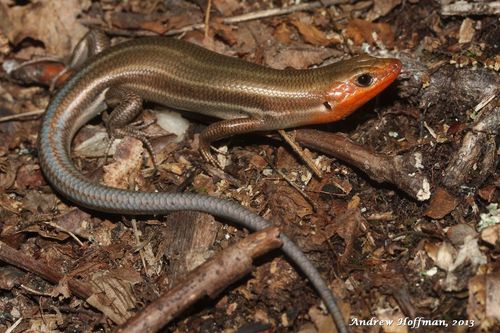
Virginia, US
You might spot Common Five-Lined Skink and Eastern Box Turtle.
View guide →

Virginia, US
You might spot Autumn Olive, Japanese Barberry, and Virginia Bluebells.
View guide →
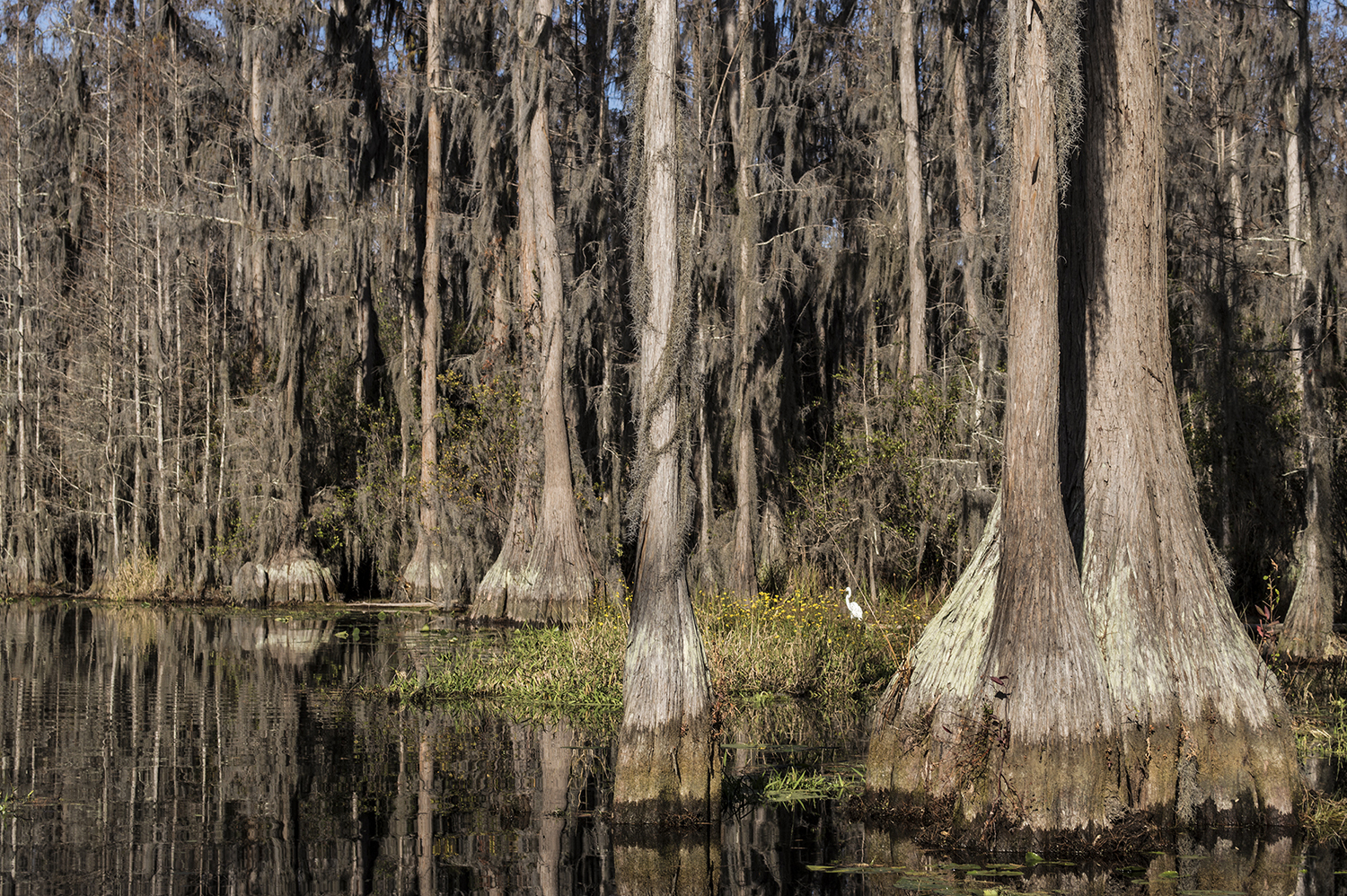
Georgia, US
You might spot American Alligator, White-Tailed Deer, and Anole.
View guide →
Virginia, US
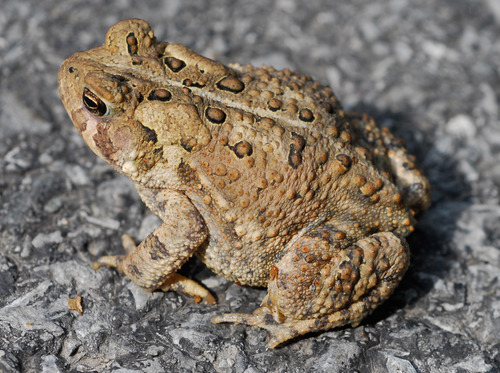
You might spot American Toad, Eastern Box Turtle, and American Robin.
View guide →
Virginia, US
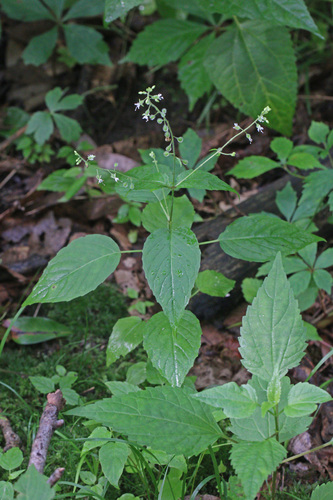
You might spot Broadleaf Enchanter's Nightshade and White Avens.
View guide →

















