





Common Side-blotched Lizard
Uta stansburiana
The Common Side-blotched Lizard is small and colorful, with a unique side blotch pattern. It loves to sunbathe on rocks.
Habitat: Dry habitats like deserts and grasslands.
The Common Side-blotched Lizard is a small, slender reptile, typically grey or brown with blotches, spots, or stripes for camouflage. It has granular scales and a distinctive dark blue or black blotch behind each front leg, giving it its name. Males often display colorful throat patches.
Category
ReptilesRarity
Common
Danger
2/5 · Low
Snaps
68
A female can lay up to five clutches of eggs in a single breeding season, that's a lot of babies!
Males display different throat colors—orange, blue, or yellow—each with a unique fighting style!
These tiny lizards eat their own shed skin, recycling valuable nutrients back into their bodies!
They do impressive 'push-ups' to show off their strength and territory to other lizards!
Common Side-blotched Lizards can drop their tail (autotomy) because of special fracture planes, helping them escape predators while the tail wiggles to distract.
Common Side-blotched Lizards have varying skin patterns and colors that help them blend seamlessly into their rocky or sandy habitats, avoiding detection.
Male Common Side-blotched Lizards have throat colors (orange, blue, or yellow) that act like unique signals, helping them communicate dominance and mating strategies.
These tiny lizards are insectivores, mostly munching on small insects and spiders they find.
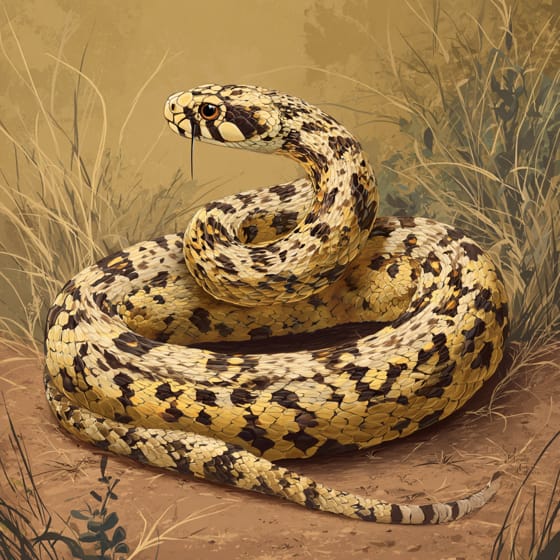
Pituophis catenifer
A common snake predator in its habitat.
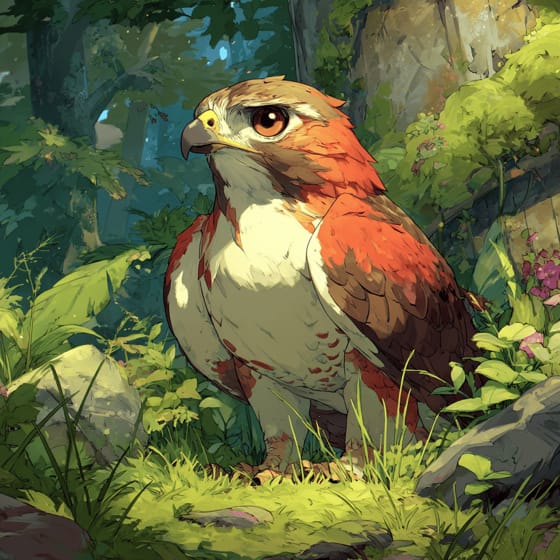
Buteo jamaicensis
A bird of prey that hunts small reptiles.
Formica fusca
A common prey item for the lizard.
Wildlife encompasses all undomesticated animal and plant life existing in their natural habitats.
Social animals live in organized groups, cooperating for survival benefits such as foraging, defense, and raising offspring.
Colorful describes organisms or objects displaying a wide range of bright and distinct colors.
This trait identifies organisms whose diet primarily consists of insects and other small invertebrates.

Desert habitats are arid regions characterized by extremely low precipitation and often extreme temperatures, supporting specialized flora and fauna.

Diurnal animals are primarily active during daylight hours, typically resting or sleeping at night.

This trait identifies organisms that exhibit exceptional swiftness in movement for hunting, escape, or travel.
Danger
2/5 · Low
Look but don’t touch. Keep a safe distance and wash hands after exploring.
The easiest way to identify Common Side-blotched Lizard is to use the Snappit nature identifier app.
4-15 cm
0.002-0.007 kg
2-5 years
20 km/h
These tiny lizards are insectivores, mostly munching on small insects and spiders they find.
Dry habitats like deserts and grasslands.
Ambush
Zoom in to split clusters and explore where this object has been snapped.

California, US
You might spot California Poppy and Common Side-Blotched Lizard.
View guide →

California, US
You might spot Western Fence Lizard and California Brittlebush.
View guide →

California, US
You might spot Snowy Egret, Great Blue Heron, and Willet.
View guide →

California, US
You might spot Peridot Sweat Bee and Western Fence Lizard.
View guide →

Colorado, US
You might spot Common Side-Blotched Lizard and Eastern Collared Lizard.
View guide →

California, US
You might spot Western Fence Lizard, Duck, and California Brittlebush.
View guide →
Take the discovery with you
Snap it with Snappit to identify it, learn what makes it special, and add the discovery to your collection.














