




American Alligator
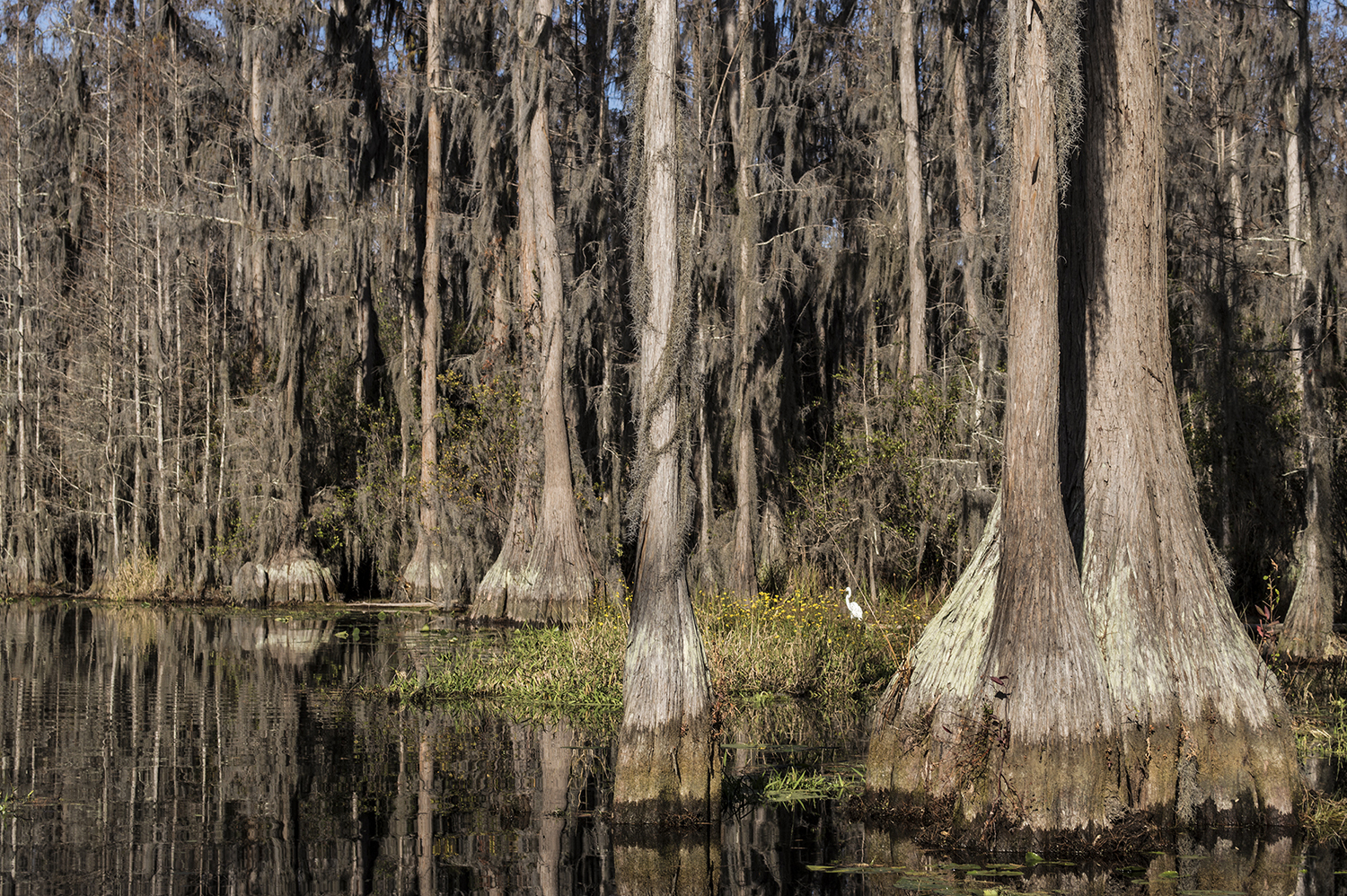
Stephen C. Foster State Park offers a truly unique and serene escape into the heart of the Okefenokee Swamp, one of Georgia's seven natural wonders and the largest blackwater wetland in North America. As a primary gateway to the Okefenokee National Wildlife Refuge, this remote park immerses visitors in a primordial landscape where Spanish moss-laced trees reflect off the dark, glass-like swamp waters and cypress knees emerge from the surface. It's a haven for paddlers, photographers, and wildlife enthusiasts seeking to disconnect from the modern world and connect with nature.
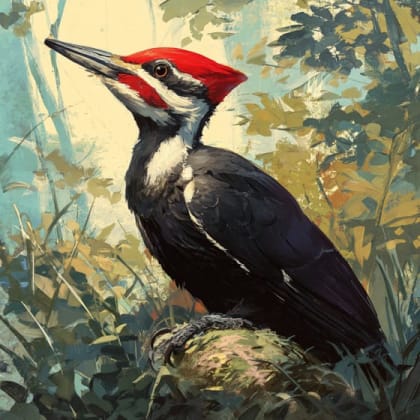
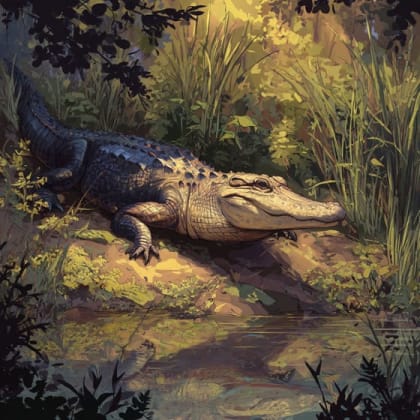
The park provides unparalleled opportunities to explore diverse ecosystems and observe abundant wildlife. Visitors can embark on guided boat tours or rent canoes, kayaks, or jon boats to navigate the extensive waterways, keeping an eye out for American Alligators, White-tailed Deer, and various turtles. Birdwatchers will be delighted by species such as Red-shouldered Hawks, Barred Owls, Pileated Woodpeckers, White Ibis, Great Egrets, Little Blue Herons, and Gray Catbirds, which are regularly seen along the trails and in the campground loops. The dense cypress forests and open prairies are also home to unique flora like spatterdock, fetterbush lyonia, saw palmetto, and Virginia sweetspire.
What truly makes Stephen C. Foster State Park memorable is its designation as a Certified Dark Sky Park by the International Dark Sky Association, making it the only one in Georgia. Far from urban light pollution, the park offers some of the darkest night skies in the Southeast, allowing stargazers to witness the Milky Way and meteor showers in stunning clarity. Combined with the symphony of nocturnal creatures like Pig Frogs and Barred Owls, a visit here promises an unforgettable, immersive wilderness experience that touches both history and the cosmos. Take the ultimate field guide with you: use the Snappit app to identify birds, plants, and animals on your trip.
Stephen C. Foster State Park, a 120-acre property, was established in 1954 and is managed through a long-term lease agreement between the U.S. Fish and Wildlife Service and the Georgia Department of Natural Resources. The park was named after the famous American songwriter Stephen Foster, who immortalized Georgia's Suwannee River in song, a river whose headwaters begin in the Okefenokee Swamp. The park serves as the western entrance to the vast Okefenokee National Wildlife Refuge, which protects approximately 93% of the Okefenokee Swamp. In November 2016, the park received recognition as a Dark Sky Park by the International Dark Sky Association due to its remote location and minimal light pollution.
Boating/Paddling: Take a guided pontoon tour or rent a canoe/kayak to navigate the swamp and spot alligators, birds, and other wildlife.
Wildlife Observation: Look for American Alligators, White-tailed Deer, Barred Owls, various herons, egrets, and ibis.
Stargazing: Experience exceptionally dark skies and potentially see the Milky Way.
Hiking: Explore trails like the Trembling Earth Trail or Jones Island Trail.
Nature Photography: Capture the unique swamp landscapes and diverse wildlife.
Spring/Fall: Mild weather, lower humidity, active wildlife, blooming wildflowers (spring), and changing cypress colors (fall). Fewer biting insects than summer.
Summer: Hot, humid, and very buggy (especially "bear flies" and yellow flies). Wildlife is active, but early morning visits are best. White water lilies are in bloom.
Winter: Cooler temperatures, clearer skies, and lower humidity. Alligators may be seen sunning on warm days, and birds are plentiful. Easier to spot wildlife due to less vegetation.
Current Capital Improvement Project: As of recent information, the park is undergoing a project to replace the boat basin bulkhead, meaning boat tours, motorboat rentals, and the boat ramp are unavailable. Canoe and kayak rentals will still be offered, but the Trembling Earth Nature Trail and boardwalk are temporarily closed. There is also a fire and burn ban in effect. Cottages are currently undergoing renovations.
The park has partial accessibility in Cabin #1, specific campsites (#25, #33, #38), campground comfort stations, day-use restrooms, and picnic shelter #1.
A playground is also accessible.
The Trembling Earth Trail includes an elevated boardwalk, though it is currently closed due to capital improvements.
The primary highlight, offering a pristine blackwater wilderness experience.
Recognized as Georgia's only Dark Sky Park, offering exceptional stargazing opportunities.
Essential for exploring the swamp with knowledgeable naturalists.
Rent a canoe or kayak to explore waterways like Minnie's Lake and Billy's Island.
Each card links to a full Explore page with photos, traits, and fun facts.
Start with the big picture, then zoom in to explore individual wildlife observations around this place.
Bring insect repellent
Especially during warmer months, the swamp can be very buggy.
Book accommodations and tours in advance: Cottages and guided boat tours (when available) often require reservations.
Pack all necessary food and supplies
The park is remote, with the nearest town and limited supplies about 17-19 miles away. Cottages come with fully stocked kitchens, allowing you to prepare your own meals.
Observe wildlife from a distance
Maintain a respectful distance from alligators and other animals for safety. Pets are not allowed in boats, even privately owned vessels.
Plan your stargazing around the moon cycle: For the best dark sky experience, visit during a new moon or when the moon will not be visible overnight.
Check for current conditions before visiting: Due to ongoing capital improvement projects, some facilities like the boat ramp, motorboat rentals, boat tours, and the Trembling Earth Trail and boardwalk are temporarily closed. There is also a fire ban in effect.
Feb 12, 2026
Jan 22, 2026
Jan 22, 2026
Jan 22, 2026
Jan 21, 2026

Maryland, US
You might spot White-Tailed Deer and Eastern Gray Squirrel.
View guide →
.jpg)
District of Columbia, US
You might spot Eastern Gray Squirrel, Duck, and House Sparrow.
View guide →

Illinois, US
You might spot American Robin, Canada Goose, and House Sparrow.
View guide →

Virginia, US
You might spot Spotted Lanternfly and Northern Cardinal.
View guide →
Take the discovery with you
Identify the wildlife you spot, learn as you go, and keep a collection of the adventure.