Jumping Spiders
salticidae
Jumping spiders are small, colorful spiders that can leap great distances! They have big eyes that help them spot their prey from far away.
Habitat: Jumping spiders can be found in various environments including gardens, forests, and even inside homes.
The Jumping Spiders has a compact, often hairy body with eight distinct legs. Their most striking feature is two very large, forward-facing principal eyes, accompanied by several smaller eyes, giving them exceptional vision. Many species display vibrant or iridescent markings.
Category
InsectsRarity
Common
Danger
1/5 · Very low
Snaps
Be the first to snap!
Jumping spiders are found on every continent except Antarctica, even high mountains!
Many male jumping spiders perform elaborate "dances" to attract females!
Some species of jumping spiders actually hunt other spiders, even much bigger ones!
They use tiny silk shelters called "retreats" for safety, sleeping, and molting.
Jumping Spiders can leap many times their body length using hydraulic pressure in their legs, which helps them catch prey and escape danger.
Jumping Spiders have exceptionally large, forward-facing principal eyes that help them precisely track prey and navigate their environment.
Jumping Spiders release a safety dragline of silk before jumping, which helps them recover if they miss their target or fall.
Jumping Spiders can stalk their prey with incredible precision and patience, using their keen eyesight to time the perfect ambush.
Tiny predators, they mostly eat other small insects they hunt with their excellent vision.
Drosophila melanogaster
A common prey item for many jumping spider species.
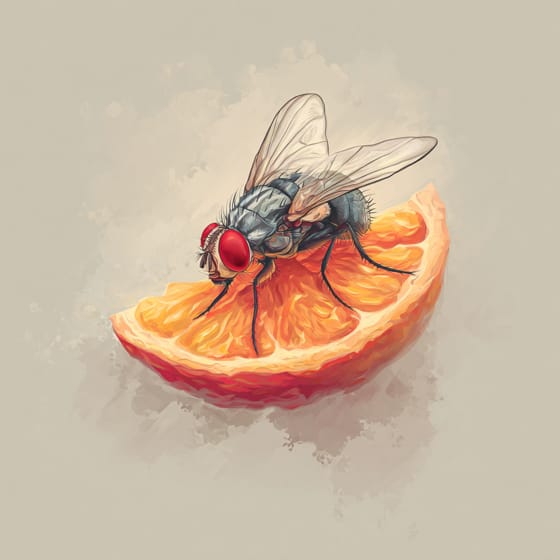
Musca domestica
Effectively stalks and ambushes these agile flying insects.
Parus major
Small birds frequently prey on spiders found on foliage.
Anolis carolinensis
Lizards in warmer climates often consume these active spiders.
Solitary animals live alone for most of their lives, only interacting with others for mating or parental care.
Arboreal animals live primarily in trees, utilizing them for shelter, food, and protection from predators.
Colorful describes organisms or objects displaying a wide range of bright and distinct colors.
This trait identifies organisms whose diet consists entirely or primarily of animal tissue.

Diurnal animals are primarily active during daylight hours, typically resting or sleeping at night.
Danger
1/5 · Very low
No special safety notes yet.
3-15 mm
365-730 days
Tiny predators, they mostly eat other small insects they hunt with their excellent vision.
Jumping spiders can be found in various environments including gardens, forests, and even inside homes.
Ambush
8
Zoom in to split clusters and explore where this object has been snapped.
Recent snaps will appear here as new observations are added.