


eastern white pine
Pinus strobus
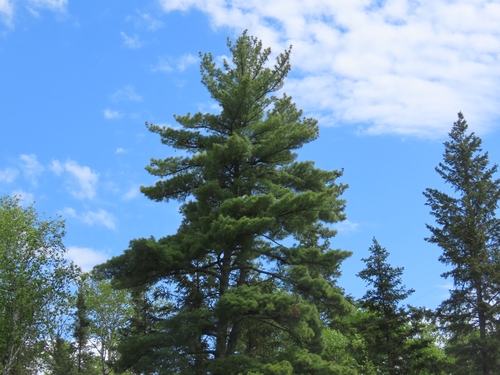
The eastern white pine is a tall tree with long, soft needles that grow in bundles. It is known for its beautiful, straight trunk and is often found in forests.
Habitat: Forests
The eastern white pine has long, soft, blue-green needles clustered in unique bundles of five. Its cones are slender and often curved, with a distinct resinous scent, growing on a tall, straight trunk, making it easily distinguishable.
Category
PlantsRarity
Common
Danger
1/5 · Very low
Snaps
81
Indigenous peoples called it the "Tree of Peace" and used its bark for medicines.
Its wood was once crucial for ship masts, making it very important for early settlers!
The tiny seeds have "wings" that help them helicopter far away from the parent tree.
You can identify it by feeling its incredibly soft needles, always grouped in bundles of five.
eastern white pine can drop its lower branches as it matures, allowing it to grow taller and reach sunlight more efficiently.
eastern white pine's long, soft needles reduce water loss and offer a mild deterrent against some hungry herbivores.
eastern white pine produces numerous winged seeds within its cones, which are then carried far by the wind to grow new trees.
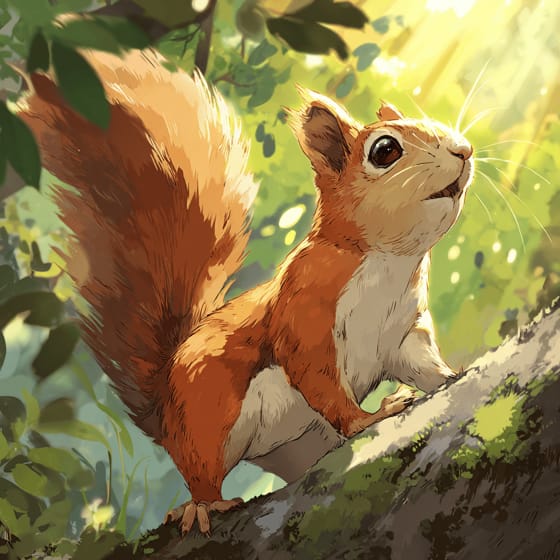
Sciurus carolinensis
Feeds on nutritious pine seeds from cones
Loxia curvirostra
Specialized beak extracts seeds from cones
Pinus strobi
Larvae bore into and kill the main shoot
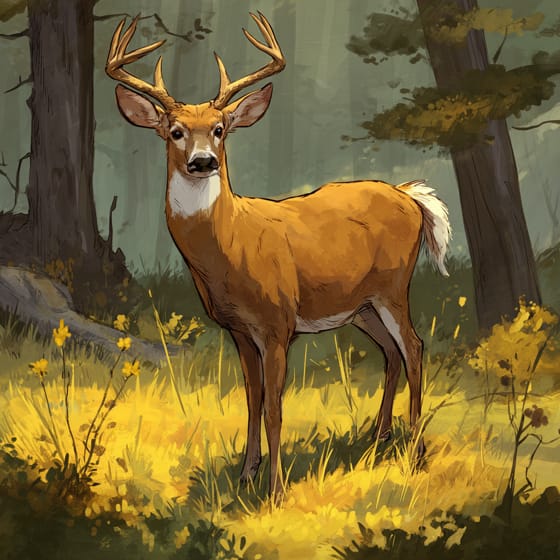
Odocoileus virginianus
Browses on young seedlings and bark
Shade tolerant plants are adapted to grow and thrive in areas with low light levels, requiring less direct sunlight.
Broadleaf trees are angiosperms characterized by flat, wide leaves that are typically shed annually in temperate climates.
Coniferous plants are typically evergreen, bearing needles or scales and reproductive cones.
Evergreen plants retain their foliage throughout the year, never shedding all their leaves at once.

Rapid growing plants exhibit accelerated growth rates, quickly increasing in size and biomass within a short period.

Timber refers to wood that has been prepared for use in building and carpentry.

Forest habitats are terrestrial environments dominated by dense tree cover, supporting a high diversity of plant and animal life.

This trait characterizes organisms with an exceptionally long lifespan compared to others of their kind.

Describes a species whose presence and role have a disproportionately large effect on its environment.
No aliases listed yet.
Danger
1/5 · Very low
Stay away from the sharp pine cones and branches when playing near the tree.
2000-5000 cm
600-1200 cm
Spring
Yes
None
Perennial
Wind
Forests
Zoom in to split clusters and explore where this object has been snapped.

Michigan, US
You might spot African Lion, Komodo Dragon, and Brown Bear.
View guide →
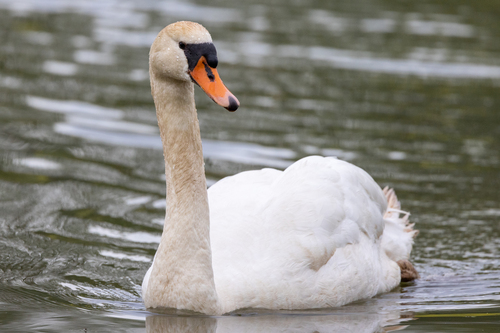
New York, US
You might spot Mute Swan, Duck, and House Sparrow.
View guide →

New York, US
You might spot Cougar, Coyote, and American Bison.
View guide →
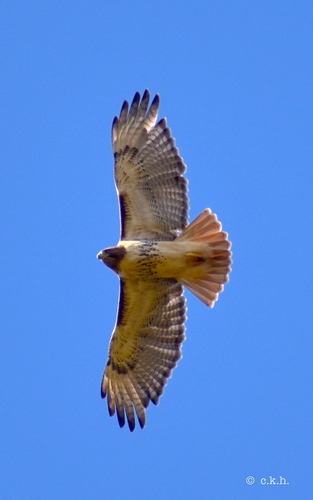
New Hampshire, US
You might spot Red-Tailed Hawk, Northern Cardinal, and Chipping Sparrow.
View guide →

Minnesota, US
You might spot Rue Anemone, Eastern Skunk Cabbage, and Bloodroot.
View guide →
Connecticut, US
You might spot Eastern White Pine, Eastern Hemlock, and Mountain Laurel.
View guide →