






Eurasian Wren
Troglodytes troglodytes
The Eurasian Wren is a tiny bird with a big voice! It loves to hop around in gardens and bushes, singing cheerful songs.
Habitat: Woodlands, gardens, and bushes
The Eurasian Wren is a tiny, plump bird with rich reddish-brown plumage, barred flanks, and a short tail often held cocked upwards. It has a paler underside and a slender, pointed bill, making it look distinctively compact and round.
Category
BirdsRarity
Common
Danger
1/5 · Very low
Snaps
5
Despite their tiny size, wrens have one of the loudest songs relative to their body mass!
Its scientific name, Troglodytes, means 'cave-dweller,' referring to its love for hidden nooks!
Male wrens often build multiple 'display nests' for a female to choose her favorite!
Up to 15 wrens have been counted snuggling together inside a single nest to stay warm!
Eurasian Wren can sing surprisingly loud, because it has powerful vocal cords for its small size.
Eurasian Wren can build complex dome-shaped nests, using twigs and moss that keep eggs safe.
Eurasian Wren can survive freezing winters, by huddling in groups to share warmth.
This tiny insect-eater hunts for beetles, spiders, and other small bugs among dense leaves and branches.
Formica rufa
by foraging for them in leaf litter.
Araneus diadematus
found on webs and plants.
Pieris rapae
when they are in caterpillar stage.
Accipiter nisus
a fast raptor in woodlands.
Mustela nivalis
a small mammal predator of ground nests.
Wildlife encompasses all undomesticated animal and plant life existing in their natural habitats.
Feathered describes animals, primarily birds, possessing a covering of feathers.
Singing animals produce complex vocalizations, often for purposes of attracting mates, defending territory, or communicating within their species.
Arboreal animals live primarily in trees, utilizing them for shelter, food, and protection from predators.

This trait identifies organisms whose diet primarily consists of insects and other small invertebrates.

Forest habitats are terrestrial environments dominated by dense tree cover, supporting a high diversity of plant and animal life.

Diurnal animals are primarily active during daylight hours, typically resting or sleeping at night.
Danger
1/5 · Very low
Wrens are friendly and not dangerous, but it's best to watch them from a distance.
9-10.5 cm
13-17 cm
0.006-0.012 kg
2-6 years
40 km/h
This tiny insect-eater hunts for beetles, spiders, and other small bugs among dense leaves and branches.
Woodlands, gardens, and bushes
Foraging
Zoom in to split clusters and explore where this object has been snapped.

England, UK
You might spot Red Panda, European Lynx, and Emperor Tamarin.
View guide →

Berlin, DE
You might spot Polar Bear, Ursus Thibetanus, and Sloth Bear.
View guide →

Spain, ES
You might spot European Bison, Asian Elephant, and Tiger.
View guide →

England, UK
You might spot African Lion, Komodo Dragon, and Common Ostrich.
View guide →
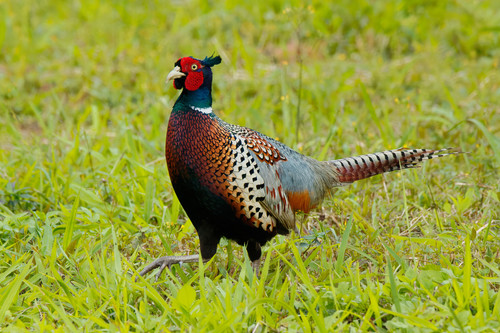
England, UK
You might spot Ring-Necked Pheasant, Goose, and Eurasian Coot.
View guide →
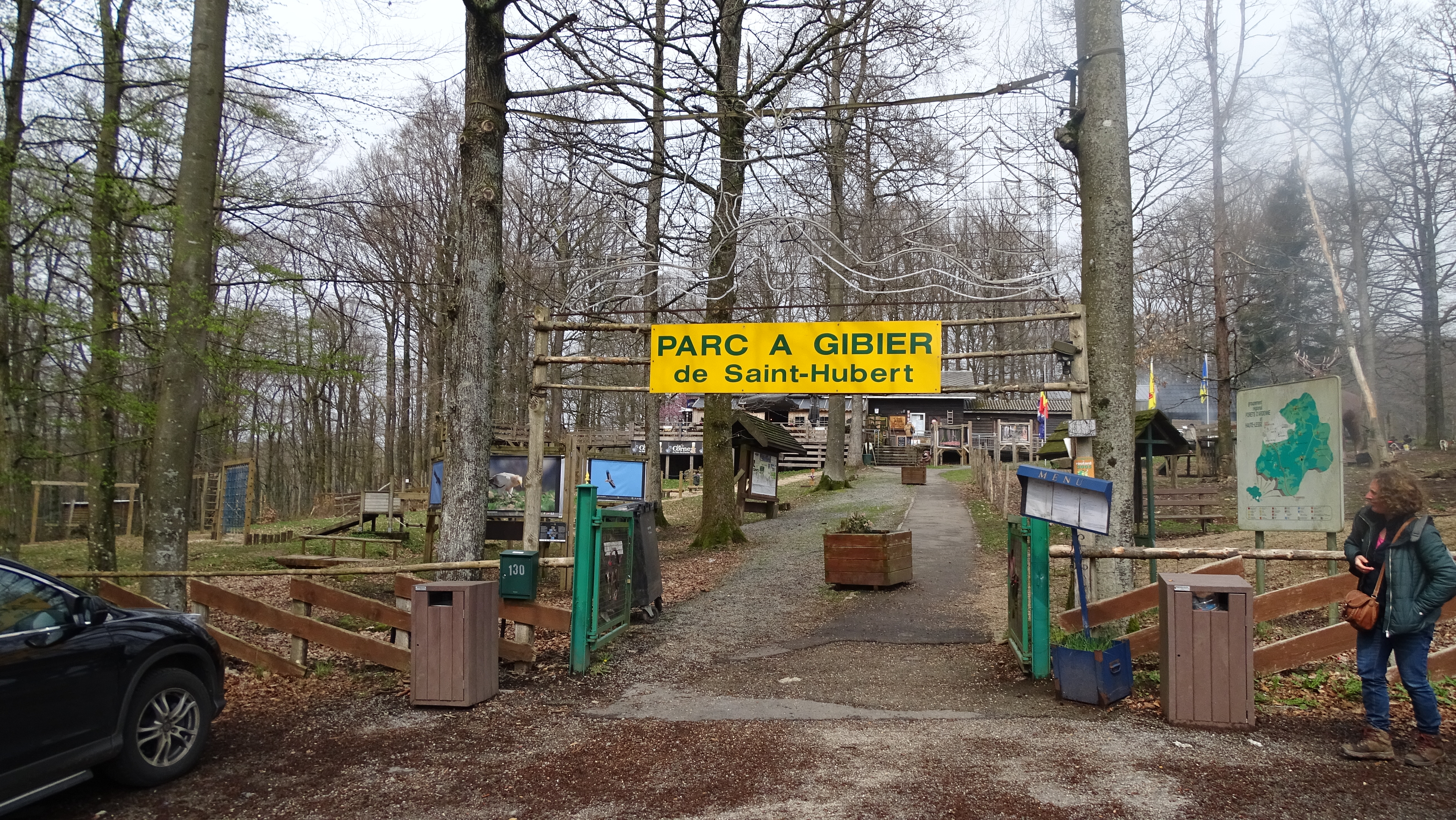
Luxembourg, BE
You might spot Northern Pintail, Turkey, and Wild Boar.
View guide →


















