




Giant Panda

Nestled in the heart of Berlin's bustling Tiergarten district, Zoo Berlin stands as a vibrant testament to biodiversity and conservation, offering an immersive escape into the animal kingdom.
Nestled in the heart of Berlin's bustling Tiergarten district, Zoo Berlin stands as a vibrant testament to biodiversity and conservation, offering an immersive escape into the animal kingdom. As Germany's oldest and the world's most species-rich zoo, it boasts an incredible collection of over 20,000 animals from approximately 1,200 species, ranging from the tiniest insects to the most majestic elephants. This historic institution, opened in 1844, seamlessly blends its rich past with modern animal care, providing spacious, near-natural habitats that delight visitors of all ages.
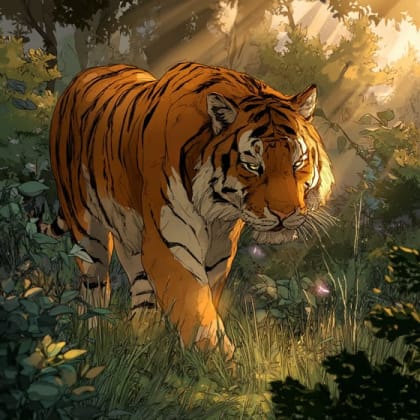
Visitors are invited to embark on a global expedition without leaving the city. Marvel at the graceful Giant Pandas, Germany's only pair, in their exquisitely designed Panda Garden, a blend of traditional Chinese aesthetics and contemporary architecture. Explore the majestic "Empire of Cats," where lions, tigers, and jaguars roam, or be captivated by the underwater ballet of common and pygmy hippos in their unique, glass-domed house. The Rhino Pagoda, Elephant Gate, and the expansive World of Birds further showcase the zoo's commitment to diverse habitats and stunning animal displays, making every corner an opportunity for discovery and photography.
More than just an animal park, Zoo Berlin is a celebrated institution dedicated to species protection, research, and education. It's a place where families can create cherished memories, where children can marvel at creatures they've only read about, and where adults can reconnect with the wonders of the natural world. From engaging feeding sessions to thoughtfully designed enclosures, a visit here is an inspiring and memorable experience, fostering a deeper appreciation for wildlife and the importance of conservation efforts worldwide. Planning to visit? Download the Snappit app to identify the wildlife you spot in real-time.
Founded on August 1, 1844, Zoologischer Garten Berlin holds the distinction of being Germany's first zoo and one of the oldest in the world. Its initial collection included animals donated by Frederick William IV, King of Prussia, from his menageries at Pfaueninsel island. The Aquarium Berlin, a significant part of the zoo today, opened its doors in 1913. The zoo faced immense challenges during World War II, suffering near-complete destruction, with only 91 of its over 4,000 animals surviving. Despite this devastation, it was meticulously reconstructed and has since evolved to focus on modern principles of animal display, emphasizing natural habitats and contributing significantly to European breeding programs for endangered species. Notable residents like the polar bear Knut and the giant panda Bao Bao (the first panda to live at the zoo) have brought international fame and highlighted the zoo's conservation work over its long history. It is also important to note a darker aspect of its history, as the zoo hosted "Völkerschauen" or "people shows" between 1878 and 1952, a practice common in zoos of that era but now widely recognized as unethical.
Beyond animal viewing, make sure to check the schedule for daily feeding sessions and animal talks, which provide insightful commentary. Explore the lovingly designed themed houses and enjoy the playgrounds available for younger visitors.
In summer, the numerous tree-lined paths provide welcome natural shade. The Aquarium has historically offered night tours in winter, though it's advisable to check current availability due to ongoing modernization work.
Zoo Berlin is largely barrier-free, with most main paths being paved asphalt or smooth concrete, suitable for wheelchairs. Wheelchair loans are available free of charge at both entrance gates. The Aquarium building is equipped with an elevator to access all three floors. Accessible restrooms and numerous benches with backrests are located throughout the zoo. Note that some secondary paths may have gravel, and older animal houses might have steps. Guests with a disability degree of 50 or higher receive discounted entry, and an assistant can enter free with a "B" or "H" remark on the disability ID.
Home to Germany's only giant pandas, Meng Meng and Jiao Qing, and their cubs, Pit and Paule.
An impressive habitat designed for the Great One-horned Rhinoceros, Tapirs, and Pustular Pigs.
Features common and pygmy hippos, offering unique underwater viewing through large glass domes.
A magnificent, intricately designed historical entrance.
Each card links to a full Explore page with photos, traits, and fun facts.
Start with the big picture, then zoom in to explore individual wildlife observations around this place.
Buy tickets online
Save time and often money by purchasing your tickets in advance through the official Zoo Berlin website. This also helps avoid queues at the entrance.
Use public transport
Zoo Berlin is exceptionally well-connected by public transportation (U-Bahn, S-Bahn, buses) via the Zoologischer Garten station, making it the most convenient way to arrive.
Check feeding times
Consult the zoo's schedule upon arrival or online for daily feeding sessions and animal talks. These are often interactive and provide great viewing opportunities.
Bring your own handcart
While the zoo does not offer handcart rentals, you are welcome to bring your own for convenience, especially if visiting with small children.
Wear comfortable shoes
The zoo spans 35 hectares (86.5 acres), so you'll be doing a lot of walking. Comfortable footwear is essential for a pleasant visit.
Visit the Panda Garden early
The giant pandas are one of the most popular attractions. Arriving early can help you experience their habitat with fewer crowds.
Mar 4, 2026
Mar 3, 2026
Mar 3, 2026
Mar 3, 2026
Mar 3, 2026

Michigan, US
You might spot African Lion, Komodo Dragon, and Brown Bear.
View guide →
.jpg)
Municipal District of Cobh, IE
You might spot Ring-Tailed Lemur, Giraffes, and Cheetahs.
View guide →

Nouvelle-Aquitaine, FR
You might spot Greater Flamingo, Giraffes, and Red Panda.
View guide →

Texas, US
You might spot Giraffes, African Lion, and Eastern Black Rhinoceros.
View guide →
Take the discovery with you
Identify the wildlife you spot, learn as you go, and keep a collection of the adventure.