Rhea
Rhea americana
The Rhea is a large bird that looks a bit like an ostrich but is native to South America! They are fast runners and can be found in open fields.
Habitat: Grasslands and savannas
The Rhea is a large, flightless bird with shaggy, grey-brown feathers covering its body. It has a long neck, small head, and powerful long legs with three toes. Its wings are large, but mainly used for balance.
Category
BirdsRarity
Rare
Danger
2/5 · Low
Snaps
Be the first to snap!
Male rheas are super dads, hatching and raising all their chicks alone!
Rheas can make a deep, booming sound that echoes across the grasslands.
They gulp down small stones to help grind up tough plants in their stomach.
They have three toes on each foot, making them different from ostriches!
Rhea can run up to 60 km/h because of its strong legs, which helps them escape predators quickly.
Rhea has shaggy, dull-colored feathers that helps them blend perfectly into their grassy surroundings.
Rhea males incubate up to 60 eggs from multiple females, which helps ensure many chicks survive.
Rhea uses its large wings like rudders while running, which helps them maintain balance and change direction swiftly.
Rheas are omnivores, mostly eating plants, seeds, and fruits, but also bugs and small animals!
Age differences: Young chicks eat more insects for protein, adults are more herbivorous.
Puma concolor
Main predator for adults and chicks.
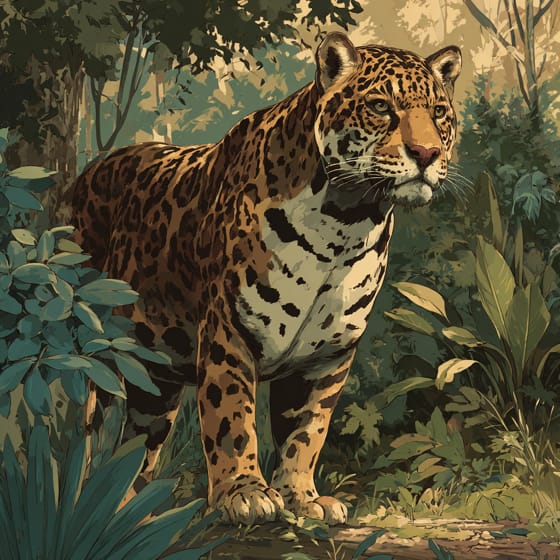
Panthera onca
Predator, especially of younger rheas.
Schistocerca cancellata
A common insect prey item.
Solanum americanum
Consumes its berries and leaves.
Wildlife encompasses all undomesticated animal and plant life existing in their natural habitats.
Feathered describes animals, primarily birds, possessing a covering of feathers.
Social animals live in organized groups, cooperating for survival benefits such as foraging, defense, and raising offspring.
Grassland habitats are terrestrial biomes dominated by grasses and herbaceous plants, supporting a variety of grazing animals.

This trait characterizes organisms whose diet consists entirely or primarily of plant material.

This trait identifies organisms that exhibit exceptional swiftness in movement for hunting, escape, or travel.
Danger
2/5 · Low
Watch quietly from a distance and never try to feed or chase wild animals.
125-150 cm
150-180 cm
20-27 kg
10-15 years
60 km/h
Rheas are omnivores, mostly eating plants, seeds, and fruits, but also bugs and small animals!
Grasslands and savannas
Foraging
Zoom in to split clusters and explore where this object has been snapped.
Recent snaps will appear here as new observations are added.

Bavaria, DE
You might spot African Lion, Arachnida, and Insect.
View guide →

Occitania, FR
You might spot Cheetahs, Camel, and Emu.
View guide →

Spain, ES
You might spot Giant Panda, Asian Elephant, and Tiger.
View guide →

Spain, ES
You might spot African Lion, Giraffes, and Asian Elephant.
View guide →