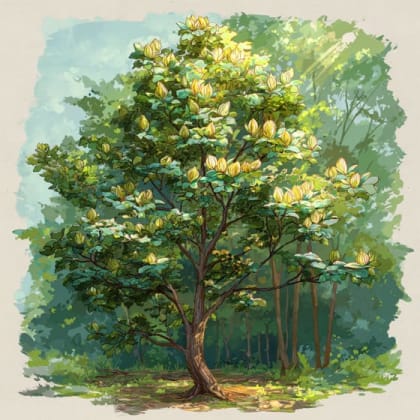
Hackberry
Celtis occidentalis
The Hackberry tree has rough bark and produces small berries that are tasty for birds. It’s a great home for many animals!
Habitat: Open woods and fields
The Hackberry is known for its distinctive warty, cork-like bark, which sets it apart from other trees. Its simple, oval leaves have uneven bases, and it produces small, dark purple, berry-like fruits that cling to branches through winter.
Category
TreesRarity
Common
Danger
1/5 · Very low
Snaps
Be the first to snap!
Hackberry wood is tough and bendy, once used for old-fashioned wagon wheels!
Its bark is so unique, it feels like sandpaper and has cool, warty ridges!
Some tiny insects make fuzzy 'galls' on Hackberry leaves that look like tiny horns!
The Hackberry's sweet, purplish fruit tastes like dates and can be eaten by people!
Hackberry has unique corky bark that protects it from physical damage and helps it endure harsh weather conditions.
Hackberry produces small, sweet berries that remain on branches, providing crucial food for wildlife during cold winter months.
Hackberry can tolerate pollution, poor soil, and drought, allowing it to thrive in challenging urban environments.
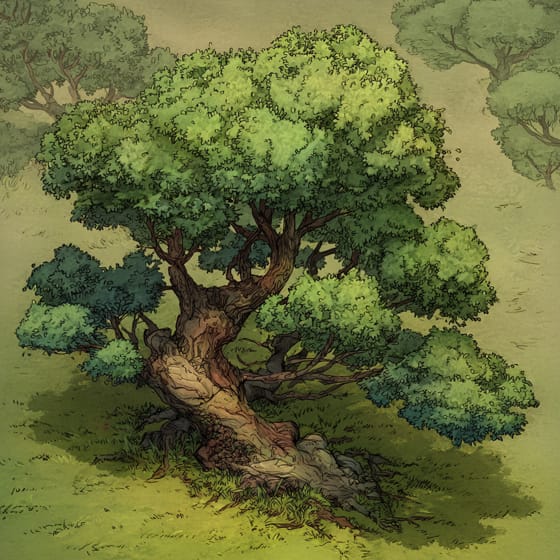
Celtis occidentalis
Provides nesting sites for birds.
Asterocampa celtis
Caterpillars feed on Hackberry leaves.
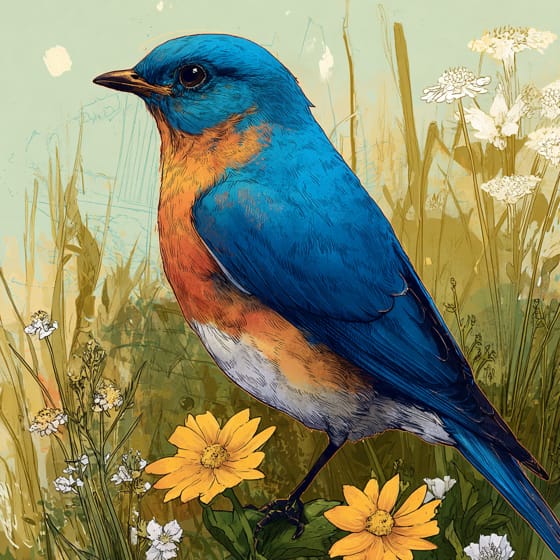
Sialia sialis
Feeds on the tree's berries in winter.
Didelphis virginiana
Consumes Hackberry fruit.
Deciduous plants periodically shed all their leaves, typically during autumn or dry seasons.
Shade tolerant plants are adapted to grow and thrive in areas with low light levels, requiring less direct sunlight.
Broadleaf trees are angiosperms characterized by flat, wide leaves that are typically shed annually in temperate climates.
Fruit-bearing plants produce fruits, which are the mature ovaries of flowering plants containing seeds.
A fruit tree is a perennial tree that produces fruit, which is edible to humans or animals.

Forest habitats are terrestrial environments dominated by dense tree cover, supporting a high diversity of plant and animal life.

This trait characterizes organisms with an exceptionally long lifespan compared to others of their kind.
Danger
1/5 · Very low
Do not pick or eat anything you find. Some plants and mushrooms can be harmful.
12-25 m
10-15 m
Yes
30-100 cm
100-200 years
Open woods and fields
Drupe
Medium
Zoom in to split clusters and explore where this object has been snapped.
Recent snaps will appear here as new observations are added.