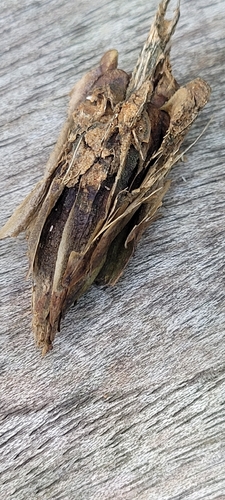
Tulip Tree
Liriodendron tulipifera
The Tulip Tree is named for its tulip-shaped flowers. It’s a tall tree that provides shade in the summer!
Habitat: Forests and parks
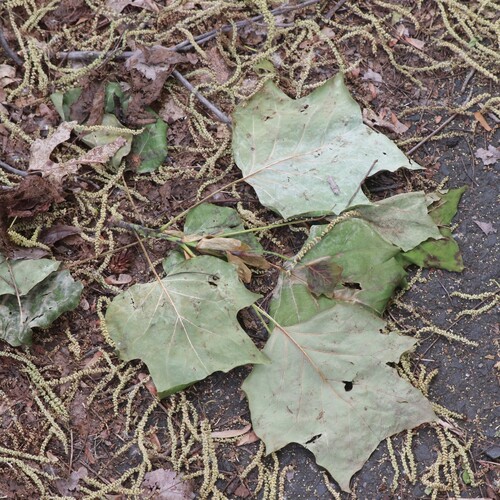
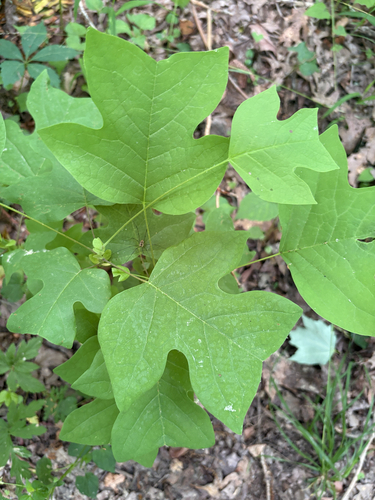
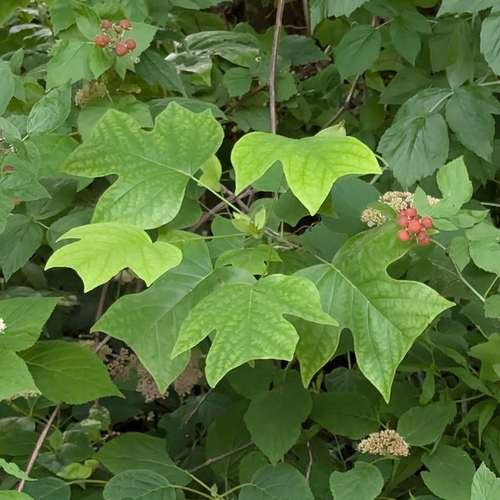
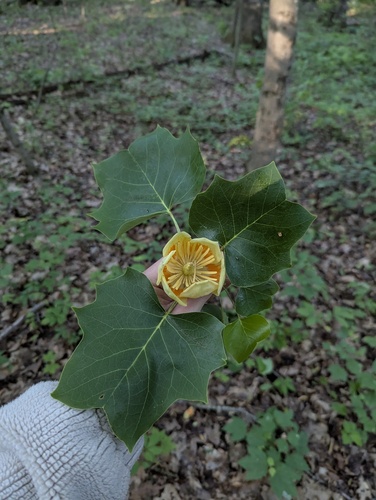
The Tulip Tree has striking green leaves with four distinct lobes, often resembling a cat's head or a square top. Its cup-shaped, yellow-green flowers, often with an orange band, resemble tulips and bloom high in the canopy.
Category
TreesRarity
Common
Danger
1/5 · Very low
Snaps
236
It is nicknamed "Yellow Poplar" but isn't actually a poplar tree at all!
Its beautiful, tulip-shaped flowers often bloom so high up they're hard to spot!
Native Americans used its strong, lightweight wood to craft dugout canoes.
The tree's unique leaves have a square-topped shape, unlike almost any other leaf!
Tulip Tree has nectar-rich, tulip-shaped flowers that attract many pollinators, helping ensure successful seed production.
Tulip Tree can grow exceptionally tall, reaching for maximum sunlight above other trees in dense forest environments.
Tulip Tree produces winged seeds called samaras that spin like tiny helicopters, helping them travel far on the wind.
Apis mellifera
Bees visit its abundant, nectar-rich flowers.

Sciurus carolinensis
Squirrels gather and consume the tree's winged seeds.

Odocoileus virginianus
Deer browse on young leaves and tender twigs.
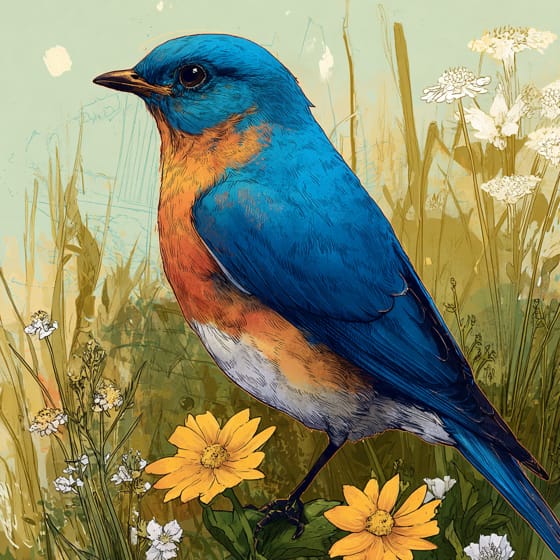
Sialia sialis
Cavities in older trees provide valuable nesting sites.
Deciduous plants periodically shed all their leaves, typically during autumn or dry seasons.
Flowering plants are any plants that produce flowers as part of their reproductive cycle.
Ornamental plants are cultivated primarily for their aesthetic appeal, enhancing landscapes and gardens with their attractive foliage, flowers, or form.
Spring blooming plants produce their flowers during the spring season, often signifying the end of winter and the start of new growth.

Broadleaf trees are angiosperms characterized by flat, wide leaves that are typically shed annually in temperate climates.

Fragrant flowers emit a pleasant aroma, often to attract pollinators or for defense.

Rapid growing plants exhibit accelerated growth rates, quickly increasing in size and biomass within a short period.

Forest habitats are terrestrial environments dominated by dense tree cover, supporting a high diversity of plant and animal life.

This trait characterizes organisms with an exceptionally long lifespan compared to others of their kind.

Describes a species whose presence and role have a disproportionately large effect on its environment.
Danger
1/5 · Very low
Do not pick or eat anything you find. Some plants and mushrooms can be harmful.
The easiest way to identify Tulip Tree is to use the Snappit nature identifier app.
25-60 m
10-20 m
Yes
60-300 cm
150-300 years
Forests and parks
Aggregate of samaras
Zoom in to split clusters and explore where this object has been snapped.
Jun 6, 2026
East Windsor Hill Historic DistrictPhoto attribution
(c) Mark Apgar, some rights reserved (CC BY)
License: CC BY 4.0 ↗
Image may be shown cropped inside the card frame.
Jun 6, 2026
Peninsula Village Historic DistrictPhoto attribution
no rights reserved
License: CC0 1.0 ↗
Image may be shown cropped inside the card frame.
May 31, 2026
Arrowmont School of Arts and CraftsPhoto attribution
(c) Nick Kleinschmidt, some rights reserved (CC BY)
License: CC BY 4.0 ↗
Image may be shown cropped inside the card frame.
May 30, 2026
East Granby Historic DistrictPhoto attribution
no rights reserved
License: CC0 1.0 ↗
Image may be shown cropped inside the card frame.
May 30, 2026
Battles Wharf Historic DistrictPhoto attribution
no rights reserved
License: CC0 1.0 ↗
Image may be shown cropped inside the card frame.

Tennessee, US
You might spot Black Bear, Yellow Wakerobin, and Pipevine Swallowtail.
View guide →

Maryland, US
You might spot Crane-Fly Orchid, Fragile Forktail, and Ebony Jewelwing.
View guide →

Connecticut, US
You might spot Bold Jumping Spider and American Tuliptree.
View guide →

Massachusetts, US
You might spot Common Eastern Bumble Bee and Eastern Skunk Cabbage.
View guide →

Illinois, US
You might spot Chicory, Hackberry Emperor, and Compass Plant.
View guide →

Ohio, US
You might spot Large White Trillium, Fire Pink, and Christmas Fern.
View guide →
Take the discovery with you
Snap it with Snappit to identify it, learn what makes it special, and add the discovery to your collection.