Cuban Solenodon
Atopogale cubana
The Cuban Solenodon is a rare mammal found only in Cuba. It has a long snout, sharp teeth, and venomous saliva. This ancient creature is a fascinating part of Cuba's biodiversity.
Habitat: Forest
The Cuban Solenodon has a long, flexible snout, small eyes, and sparse, coarse fur that is reddish-brown to blackish-brown with paler underparts. Its bare, scaly tail and prominent claws help distinguish this unique, ancient mammal.
Category
MammalsRarity
Rare
Danger
3/5 · Moderate
Snaps
Be the first to snap!
It was once believed extinct for decades, then dramatically rediscovered in the wild!
Its scientific name, 'Atopogale cubana', hints at its unique, strange appearance and Cuban home.
This ancient mammal uses a venomous bite, making it one of Earth's rare toxic mammals!
Unlike most mammals, its venom flows directly from a gland into a groove on its second incisor.
Its 'Venomous Bite' means the Cuban Solenodon can inject venom through grooved teeth that helps them quickly subdue their prey.
The Cuban Solenodon has an incredibly long and flexible snout that helps them sniff out hidden insects and worms underground.
With 'Echolocation Clicks,' the Cuban Solenodon can make high-pitched sounds that help them navigate in the dark, similar to bats.
Cuban Solenodons have strong, powerful claws that help them dig through soil and leaf litter to find tasty insects and build burrows.
This furry forager loves to eat insects and other small creatures found by sniffing and digging.
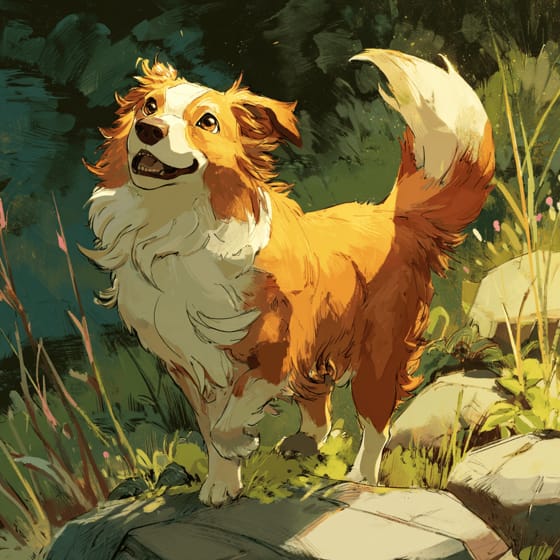
Canis familiaris
Introduced dogs pose a significant threat to solenodon populations.
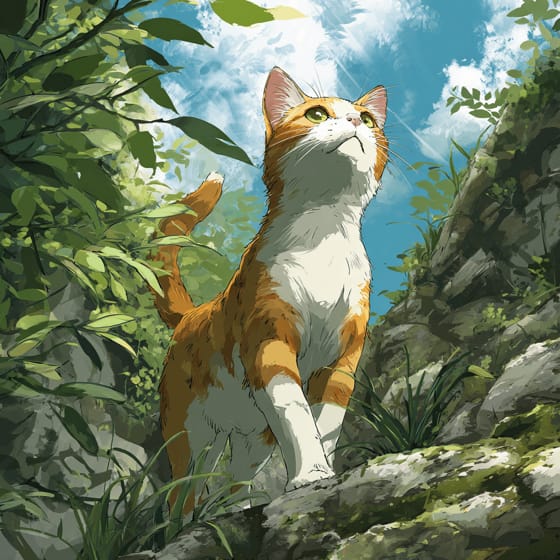
Felis catus
Feral cats are efficient predators, impacting young solenodons especially.
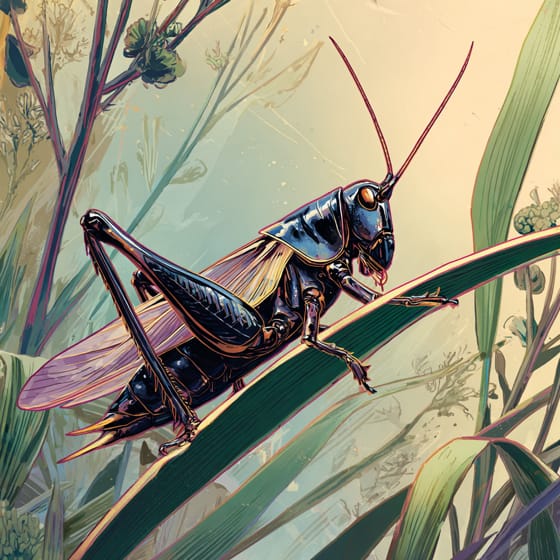
Gryllus assimilis
Solenodons actively hunt and consume crickets found in leaf litter.
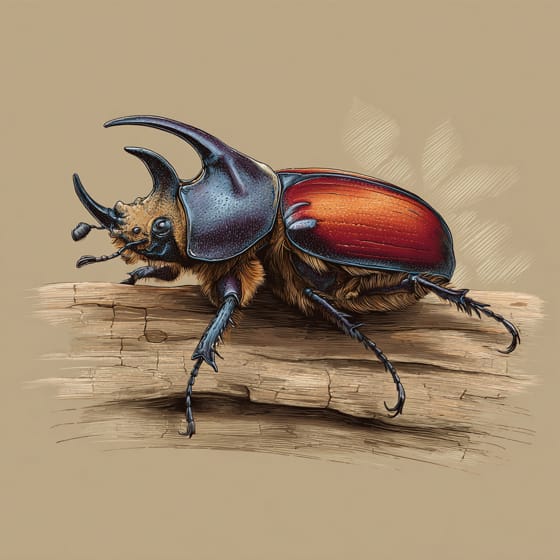
Strategus aloeus
Its powerful snout helps unearth beetle larvae and adults from the soil.
Furry describes animals possessing a dense covering of soft hair or fur.
Solitary animals live alone for most of their lives, only interacting with others for mating or parental care.
This trait signifies organisms belonging to a very old evolutionary group with ancestors dating back millions of years.
Forest habitats are terrestrial environments dominated by dense tree cover, supporting a high diversity of plant and animal life.

This trait identifies organisms whose diet consists entirely or primarily of animal tissue.

Regenerative organisms possess the ability to regrow lost or damaged body parts, tissues, or organs.

Nocturnal animals are primarily active during the nighttime hours, typically resting or sleeping during the day.

Venomous organisms produce toxins that are injected into another animal, typically through a bite or sting.
No aliases listed yet.
Danger
3/5 · Moderate
If you ever see a Cuban Solenodon, admire it from a safe distance and never try to touch or approach it.
28-35 cm
0.8-1.1 kg
5-11 years
8 km/h
This furry forager loves to eat insects and other small creatures found by sniffing and digging.
Forest
Foraging
1-3
Zoom in to split clusters and explore where this object has been snapped.
Recent snaps will appear here as new observations are added.