






Atlantic Herring
Clupea harengus
The Atlantic Herring is a small, silver fish that travels in huge groups called schools. They are an important food source for many animals!
Habitat: Cold ocean waters
The Atlantic Herring has a sleek, streamlined body with iridescent silvery sides and a darker blue or green back. Its scales are large and reflective, helping it blend into the ocean's light. It lacks any prominent spots or unique markings, appearing uniformly bright.
Category
FishRarity
Common
Danger
2/5 · Low
Snaps
Be the first to snap!
Atlantic Herring are one of the most commercially fished species in the world!
Their scales were once used to make shiny artificial pearls for jewelry!
They are often called 'silver of the sea' for their shimmering bodies!
They form massive schools that can stretch for many kilometers under the sea!
Atlantic Herring can swim in giant, synchronized schools that confuse predators and make them harder to catch.
Atlantic Herring have a special connection between their swim bladder and inner ear, helping them hear distant sounds and danger.
Atlantic Herring can store large amounts of fat, allowing them to survive long periods and fuel their migrations.
Atlantic Herring feast on tiny ocean creatures, filtering them from the water!
Age differences: Young herring eat smaller plankton, while adults enjoy larger crustaceans and tiny fish larvae.
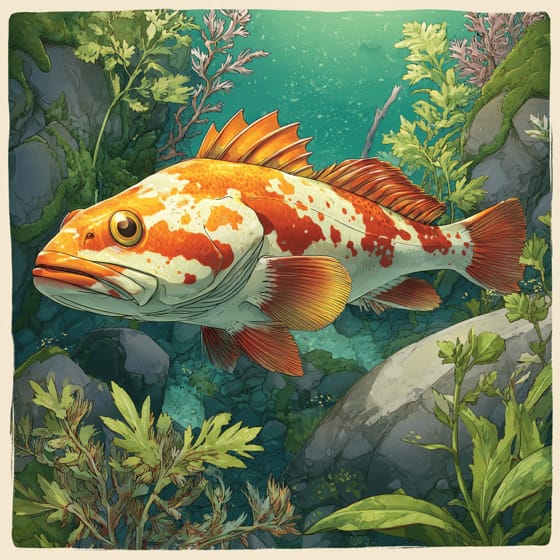
Gadus morhua
A key food source for this important predatory fish.
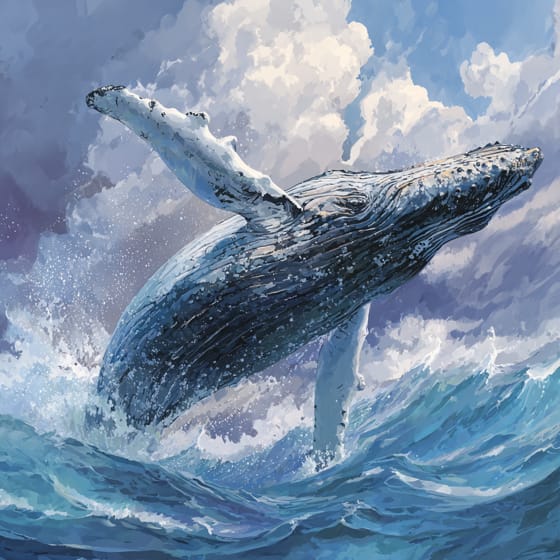
Megaptera novaeangliae
An essential part of their diet during feeding season.
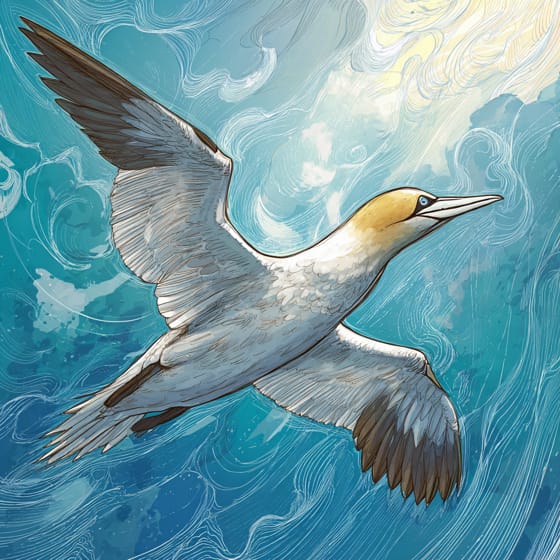
Morus bassanus
Diving seabirds rely on herring for energy.
Halichoerus grypus
A significant prey item for these marine mammals.
Wildlife encompasses all undomesticated animal and plant life existing in their natural habitats.
Piscivorous organisms are animals that primarily subsist on a diet of fish.
This trait characterizes organisms with an exceptionally long lifespan compared to others of their kind.
Aquatic habitats encompass environments where organisms live predominantly in water, including oceans, rivers, lakes, and wetlands.

Marine habitats encompass all saltwater environments of the Earth's oceans, supporting an immense diversity of aquatic life.

Migratory animals undertake seasonal movements from one region to another, typically in response to changes in climate or food availability.
Danger
2/5 · Low
Watch quietly from a distance and never try to feed or chase wild animals.
20-45 cm
0.1-0.7 kg
10-15 years
Atlantic Herring feast on tiny ocean creatures, filtering them from the water!
25 km/h
Cold ocean waters
Filter Feeding
400 m
Zoom in to split clusters and explore where this object has been snapped.
Recent snaps will appear here as new observations are added.












