





Northern Gannet
Morus bassanus
The Northern Gannet is a large, beautiful bird known for its white feathers and sharp beak. It dives into the ocean to catch fish!
Habitat: Coastal areas and open oceans
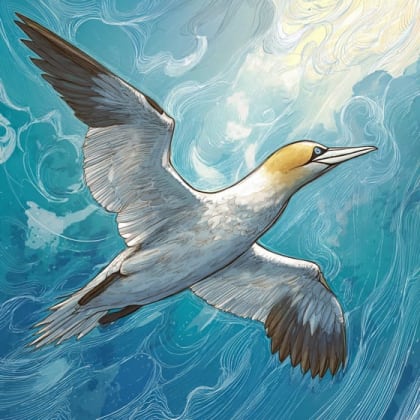
The Northern Gannet is a large, striking seabird with brilliant white plumage, distinctive black wingtips, and a yellowish wash on its head and neck. It has a pointed, blue-grey bill with black lines and bright blue rings around its pale eyes, making it visually distinct.
Category
BirdsRarity
Rare
Danger
2/5 · Low
Snaps
1
Gannets have special internal nostrils that seal shut during their powerful dives!
Northern Gannets often hunt in groups, signaling fish locations to each other.
Their eyes face forward, giving them amazing depth perception for hunting fish.
They possess internal air sacs under their skin, acting like airbags during dives.
Northern Gannet can plunge dive from over 30 meters because their strong skulls and air sacs protect them during high-speed ocean impacts.
Northern Gannet can 'fly' underwater using powerful wingbeats and webbed feet, helping them chase fish at impressive depths.
Northern Gannet has excellent binocular vision that helps them accurately target fast-moving fish from high above the ocean surface.
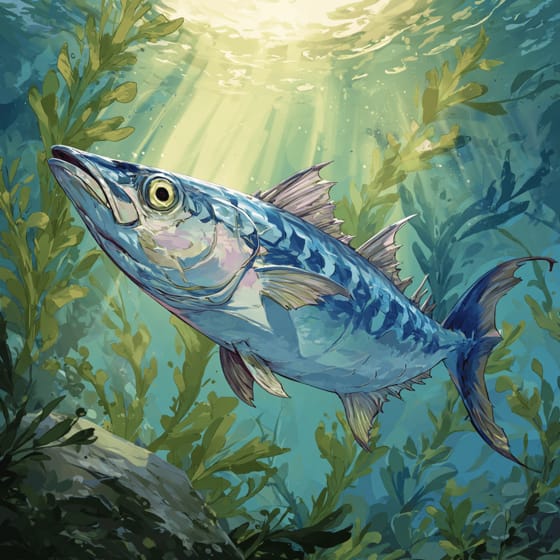
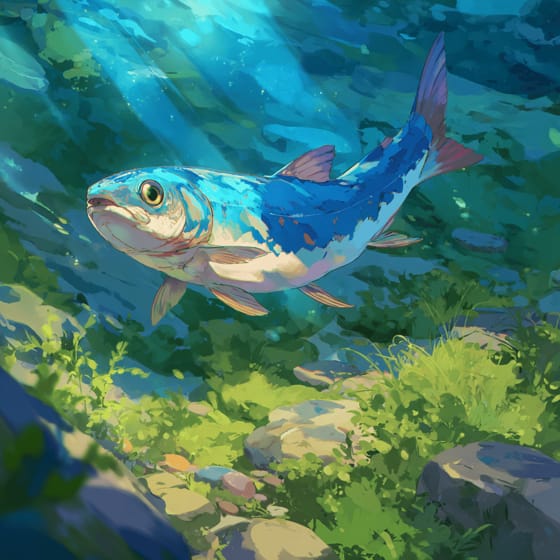
These expert hunters plunge-dive into the ocean to catch fish like mackerel, herring, and sandeels.
Wildlife encompasses all undomesticated animal and plant life existing in their natural habitats.
Feathered describes animals, primarily birds, possessing a covering of feathers.
Aerial creatures spend a significant portion of their lives airborne, utilizing flight for various activities such as hunting, migration, or nesting.
Piscivorous organisms are animals that primarily subsist on a diet of fish.

This trait characterizes organisms with an exceptionally long lifespan compared to others of their kind.

Coastal habitats are dynamic environments located along the interface between land and sea, influenced by tides, waves, and saltwater.

Aquatic habitats encompass environments where organisms live predominantly in water, including oceans, rivers, lakes, and wetlands.

Marine habitats encompass all saltwater environments of the Earth's oceans, supporting an immense diversity of aquatic life.
Danger
2/5 · Low
Watch quietly from a distance and never try to feed or chase wild animals.
The easiest way to identify Northern Gannet is to use the Snappit nature identifier app.
87-100 cm
165-180 cm
2.3-3.6 kg
15-30 years
60 km/h
These expert hunters plunge-dive into the ocean to catch fish like mackerel, herring, and sandeels.
Coastal areas and open oceans
Zoom in to split clusters and explore where this object has been snapped.
Take the discovery with you
Snap it with Snappit to identify it, learn what makes it special, and add the discovery to your collection.







.jpg&width=800)










