Eastern Bluebird
Sialia sialis
The Eastern Bluebird is a small, cheerful bird with bright blue feathers on its back and a warm orange chest. They love to sing and can often be seen perched on fences and trees.
Habitat: Open fields, gardens, and woodlands
The Eastern Bluebird is a vibrant songbird; males boast a brilliant sky-blue back and head, contrasting sharply with a rusty orange-brown breast and white belly. Females have a duller blue and a paler orange chest, making them visually distinct from similar thrushes.
Category
BirdsRarity
Common
Danger
1/5 · Very low
Snaps
176
Baby bluebirds have speckled breasts, looking quite different from their blue parents!
Bluebirds aren't truly blue! Their feathers have special structures that scatter light, making them *appear* blue.
Males offer females a tasty insect or berry as part of their courtship dance!
They are fantastic at catching insects mid-flight, like tiny avian acrobats!
Eastern Bluebird can spot tiny insects from a distance because they have excellent eyesight that helps them find food.
Eastern Bluebird can build nests in old woodpecker holes or birdhouses because they are cavity nesters that helps them raise chicks safely.
Eastern Bluebird can survive winter because they switch to eating fruits and berries that helps them find food when insects are scarce.
Eastern Bluebirds feast on insects in summer and switch to a tasty diet of berries and fruits in winter.
Age differences: Changes seasonally from mostly insects in summer to mostly fruits and berries in winter.
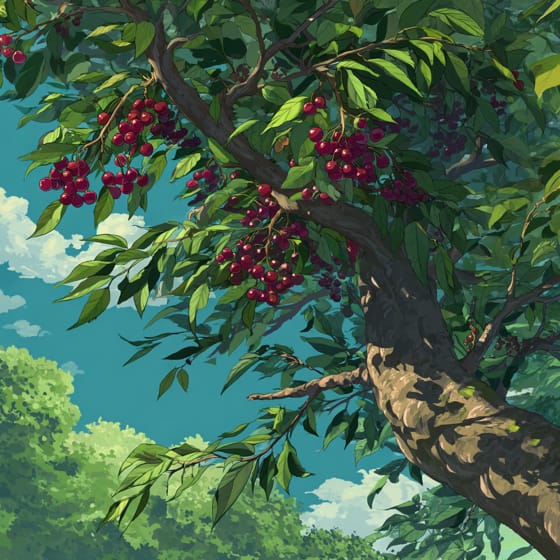
Prunus serotina
Bluebirds feed on its fruits, especially in winter.
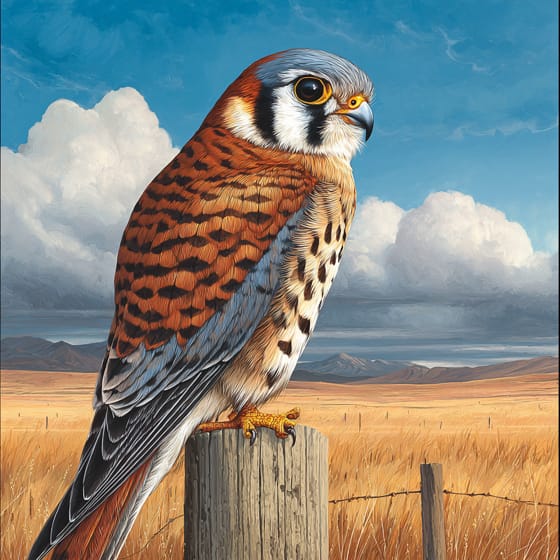
Falco sparverius
Small raptors like kestrels can prey on bluebirds.
Formica rufa
Bluebirds frequently consume ants and other ground insects.
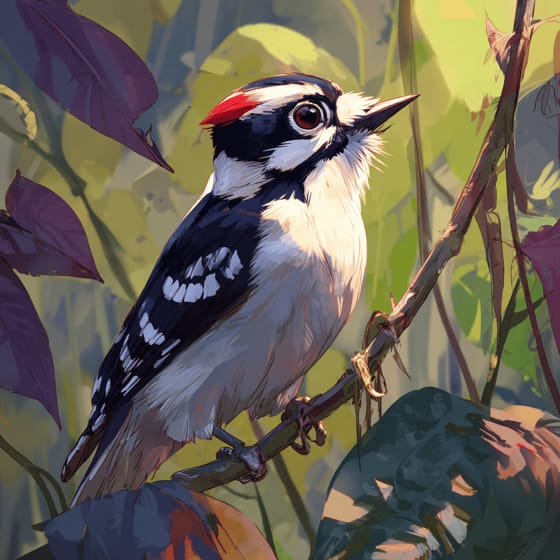
Picoides pubescens
Bluebirds often nest in cavities created by woodpeckers.
Wildlife encompasses all undomesticated animal and plant life existing in their natural habitats.
Feathered describes animals, primarily birds, possessing a covering of feathers.
Singing animals produce complex vocalizations, often for purposes of attracting mates, defending territory, or communicating within their species.
This trait identifies organisms whose diet primarily consists of insects and other small invertebrates.

Forest habitats are terrestrial environments dominated by dense tree cover, supporting a high diversity of plant and animal life.

Diurnal animals are primarily active during daylight hours, typically resting or sleeping at night.
Danger
1/5 · Very low
Eastern Bluebirds are friendly and safe to watch from a distance. Always be gentle and quiet around wild animals.
16-21 cm
32-35 cm
0.028-0.032 kg
6-10 years
55 km/h
Eastern Bluebirds feast on insects in summer and switch to a tasty diet of berries and fruits in winter.
Open fields, gardens, and woodlands
Ambush
Zoom in to split clusters and explore where this object has been snapped.

Connecticut, US
You might spot Aurelia Aurita and Whitespotted Bamboo Shark.
View guide →

Ohio, US
You might spot African Lion, Komodo Dragon, and Tiger.
View guide →
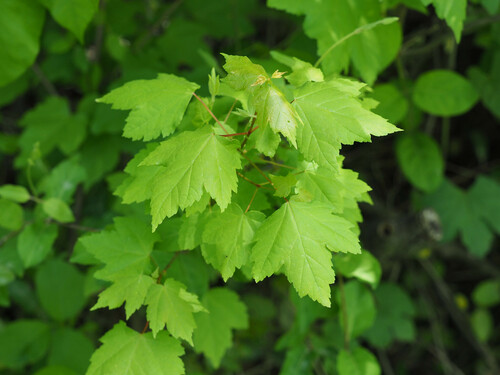
New York, US
You might spot Red Maple, Black Tupelo, and Sensitive Fern.
View guide →

Tennessee, US
You might spot Parachromis Managuensis, Giraffes, and Common Ostrich.
View guide →

Maryland, US
You might spot Great Blue Heron, Eastern Bluebird, and White-Tailed Deer.
View guide →
Missouri, US
You might spot African Lion, Allen's Swamp Monkey, and Tiger.
View guide →