Sea Lion
Nestled within the sprawling beauty of Forest Park, the Saint Louis Zoo stands as a beacon of wildlife conservation and education, offering an extraordinary and, remarkably, free-to-enter experience for all ages.
Nestled within the sprawling beauty of Forest Park, the Saint Louis Zoo stands as a beacon of wildlife conservation and education, offering an extraordinary and, remarkably, free-to-enter experience for all ages. More than just a place to see animals, this esteemed institution is a dynamic journey through diverse ecosystems, where visitors can connect intimately with creatures from across the globe. From the moment you step foot inside, you're enveloped in meticulously crafted habitats designed to emulate natural environments, providing both comfort for its residents and immersive viewing opportunities for guests.Explore the lush landscapes of "River's Edge," where you might encounter the magnificent Asian elephants, observe the powerful black rhinoceroses, or watch graceful hippopotamuses in their aquatic homes.
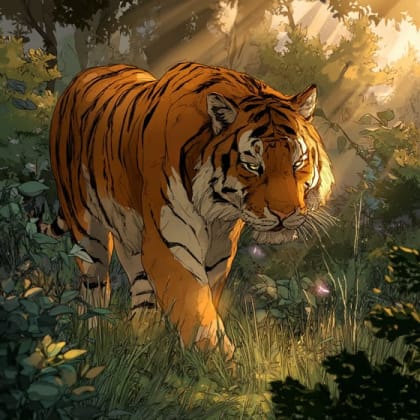
Journey to "The Wild" to witness the impressive grizzly bears and the majestic polar bears at Polar Bear Point, or delve into the vibrant "Penguin and Puffin Coast" to marvel at playful King Penguins darting through underwater exhibits. Each zone offers unique encounters, from the thrilling "Big Cat Country" featuring Amur tigers and jaguars, to the captivating "Primate Canopy Trails," where Coquerel's sifakas and other primates navigate elevated pathways, offering a fresh perspective on their agile movements.The Saint Louis Zoo is celebrated for its innovative approach to animal management and its unwavering commitment to global conservation efforts.
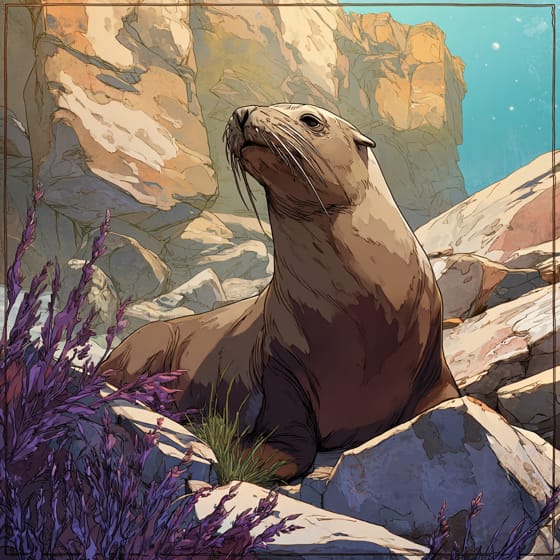
It's a place where wonder meets education, where families can spend hours discovering over 16,000 animals representing more than 600 species, all while learning about the vital importance of protecting our planet's biodiversity. Whether you're captivated by the intricate world of the Bayer Insectarium's leafcutter ants or charmed by the antics of California sea lions in the stunning underwater tunnel at Sea Lion Sound, every visit promises delightful discoveries and lasting memories. Eager to name that creature? Identify any animal you find during your visit using the Snappit app.
The genesis of the Saint Louis Zoo traces back to the 1904 St. Louis World's Fair, an event that left an enduring legacy. A grand, walk-through aviary, built by the Smithsonian Institution for the fair, captured the public's imagination. Rather than see it dismantled, St. Louis citizens rallied to purchase the iconic Flight Cage for $3,500, laying the cornerstone for what would become a world-renowned zoological park. Officially established in 1910 and opened in 1913, the Saint Louis Zoo quickly adopted progressive exhibition philosophies, becoming one of the first zoos globally to utilize open, moated enclosures instead of traditional bars, allowing animals to live in more naturalistic settings. This pioneering spirit, combined with a commitment to free public admission supported by a cultural tax district, has ensured its accessibility and continued growth into a leading institution for wildlife care, research, and conservation.
Summer: Hot, animals less active, use misting fans. Fall: Pleasant weather, active animals, Zootoberfest. Winter: Open, cold-weather animals, indoor exhibits, 'Wild Lights'. Spring: Mild temperatures, active animals, ideal.
Highly accessible with wheelchair-accessible paths, restrooms, ramps. Manual wheelchairs and electric scooters for rent. Zooline Railroad and Conservation Carousel are ADA accessible. Equal Access Passes and Kulture City sensory services available.
River's Edge (elephants, rhinos, cheetahs)
The Wild (grizzly bears, polar bears, apes)
Penguin and Puffin Coast
Sea Lion Sound
Each card links to a full Explore page with photos, traits, and fun facts.
Start with the big picture, then zoom in to explore individual wildlife observations around this place.
Arrive Early or Visit on Weekdays
To avoid crowds and enjoy cooler temperatures, especially in summer, aim to visit right when the zoo opens or on a weekday. Animals are often most active in the mornings.
Plan Your Route
The zoo is large (90 acres); grab a map at the entrance or download one online and prioritize the exhibits you want to see most. This helps maximize your time and minimizes backtracking.
Consider an Adventure Pass/Wristband
While general admission is free, a wristband (Adventure Pass) provides access to multiple paid attractions like the Zooline Railroad, Sea Lion Show, and Carousel, often at a better value if you plan to enjoy these extras.
Pack Smart
Bring a reusable water bottle (refills are available, or you can purchase a souvenir cup for discounted refills), sunscreen, and comfortable walking shoes. If visiting with small children, a stroller or wagon is highly recommended.
Parking Options
Paid parking is available in the zoo's North and South lots. For a free alternative, look for street parking on Wells Drive or Government Drive, though this may involve a longer walk to the entrance.
Catch a Show or Feeding
Check the daily schedule for animal feeding times and the Sea Lion Show. These can be highlights of your visit and provide dynamic viewing opportunities.
Mar 3, 2026
Mar 2, 2026
Mar 2, 2026
Mar 1, 2026
Feb 28, 2026

Michigan, US
You might spot African Lion, Komodo Dragon, and Brown Bear.
View guide →
.jpg)
Municipal District of Cobh, IE
You might spot Ring-Tailed Lemur, Giraffes, and Cheetahs.
View guide →

Nouvelle-Aquitaine, FR
You might spot Greater Flamingo, Giraffes, and Red Panda.
View guide →

Texas, US
You might spot Giraffes, African Lion, and Eastern Black Rhinoceros.
View guide →
Take the discovery with you
Identify the wildlife you spot, learn as you go, and keep a collection of the adventure.