Humpback Whale
Megaptera novaeangliae
Humpback whales are huge baleen whales known for their songs and breaching leaps.
Habitat: Oceans worldwide.
The Humpback Whale has a robust dark grey to black body, often with a white underside and distinctive long, paddle-shaped pectoral fins. Its head and lower jaw are covered in knobbly bumps called tubercles, making it visually distinct.
Category
MammalsRarity
Common
Danger
3/5 · Moderate
Snaps
6
A baby Humpback drinks over 50 gallons of milk a day, growing incredibly fast!
Each Humpback Whale has a unique pattern on its tail fluke, like a giant fingerprint!
Humpbacks can hold their breath for up to 45 minutes, diving deep for food.
Their massive flippers can be one-third of their body length, longer than a small car!
Humpback Whales can blow a 'net' of bubbles to trap fish, a clever hunting strategy unique to some populations.
Humpback Whales have complex vocalizations that can travel for miles, used for communication and attracting mates.
Humpback Whales can travel thousands of miles between feeding and breeding grounds, navigating vast ocean distances.
Humpback Whales can launch their massive bodies almost entirely out of the water, a spectacular display for various reasons.
These gentle giants filter huge amounts of tiny krill and small schooling fish from the ocean water.
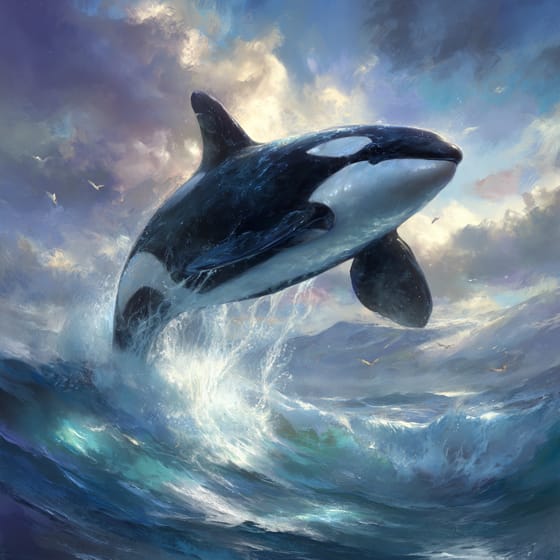
Orcinus orca
Calves can be hunted.
Coronula diadema
Attaches to skin for transport.
Cyamus boopis
Lives on skin, feeds on flakes.
Euphausia superba
A primary food source.
Furry describes animals possessing a dense covering of soft hair or fur.
Singing animals produce complex vocalizations, often for purposes of attracting mates, defending territory, or communicating within their species.
Filter feeders obtain nutrients by straining suspended food particles and small organisms from water.
Describes a species whose presence and role have a disproportionately large effect on its environment.

Aquatic habitats encompass environments where organisms live predominantly in water, including oceans, rivers, lakes, and wetlands.

Giant describes organisms or objects of significantly larger size than average for their species or type.

Marine habitats encompass all saltwater environments of the Earth's oceans, supporting an immense diversity of aquatic life.

Migratory animals undertake seasonal movements from one region to another, typically in response to changes in climate or food availability.
Danger
3/5 · Moderate
Stay well away from whales in the wild.
1200-1600 cm
25000-40000 kg
40-80 years
27 km/h
These gentle giants filter huge amounts of tiny krill and small schooling fish from the ocean water.
Oceans worldwide.
Filter Feeding
1
Zoom in to split clusters and explore where this object has been snapped.
_end_July_2012.jpg)
Massachusetts, US
You might spot Great Egret, Eastern Redcedar, and Osprey.
View guide →
.jpg)
California, US
You might spot Long-Billed Curlew, Snowy Plover, and Sanderling.
View guide →

Delaware, US
You might spot Atlantic Horseshoe Crab and Laughing Gull.
View guide →
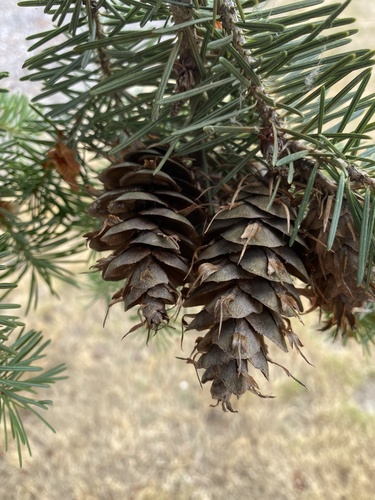
British Columbia, CA
You might spot Douglas Fir, Pacific Madrone, and Rough-Skinned Newt.
View guide →
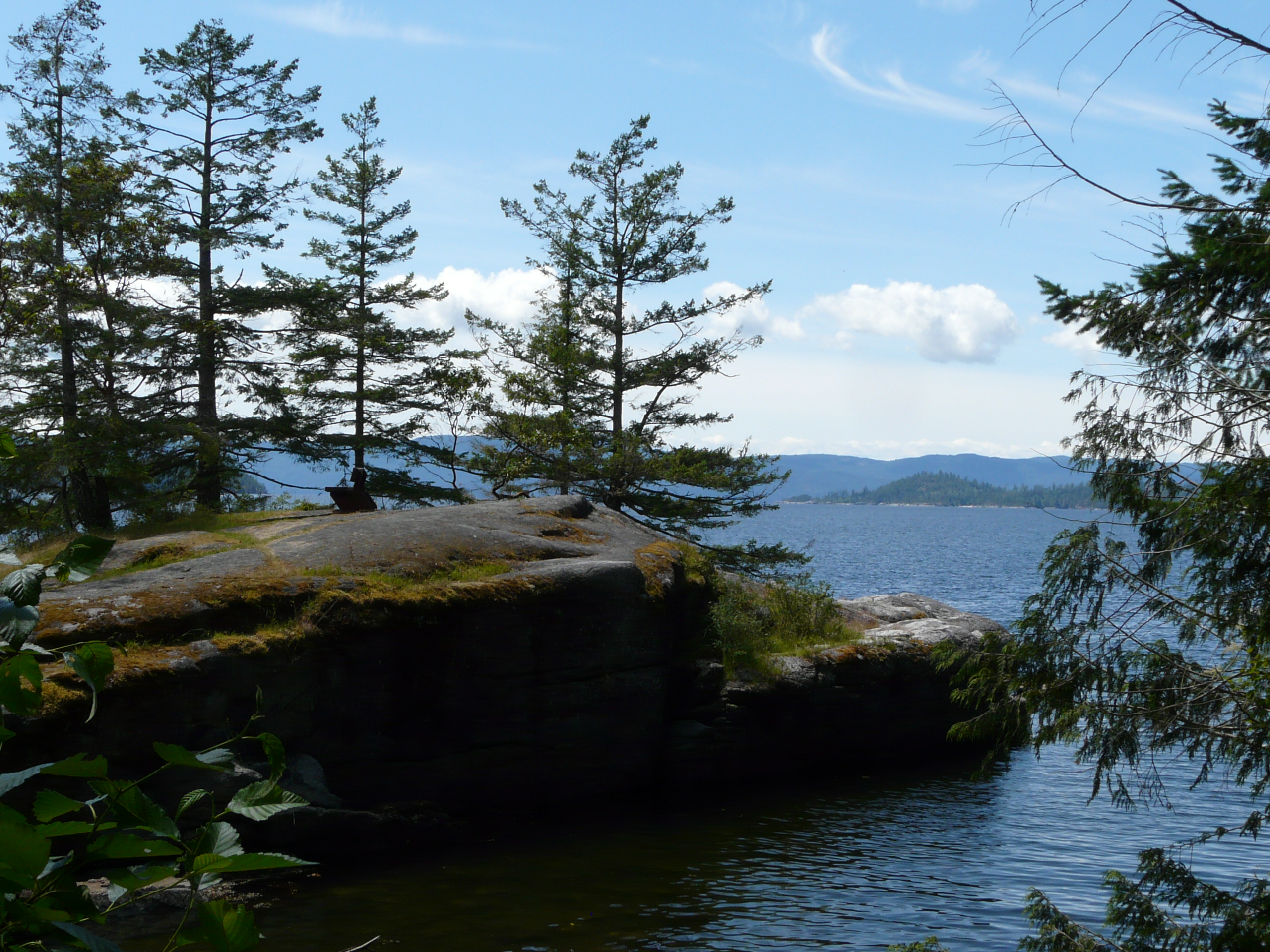
British Columbia, CA
You might spot Ochre Sea Star and Yellow Shore Crab.
View guide →