Photo coming soon
Historic District1 sightings50 species
US
Chicken Ridge Historic District
You might spot Bald Eagle, Common Raven, and Salmonberry.
View full guide →
We found 17 places featuring Humpback Whale. Plan your next visit below.
Learn to recognize Humpback Whale in the wild using the Snappit field guide app.
US
You might spot Bald Eagle, Common Raven, and Salmonberry.
View full guide →

US
You might spot Brown Anole, Zebra Dove, and Red-Crested Cardinal.
View full guide →

US
You might spot Common Eider and American Herring Gull.
View full guide →

Massachusetts, US
You might spot Eastern Gray Squirrel and Canada Goose.
View full guide →

Massachusetts, US
You might spot Eastern Gray Squirrel, Canada Goose, and House Sparrow.
View full guide →

Massachusetts, US
You might spot Eastern Gray Squirrel, Canada Goose, and House Sparrow.
View full guide →

US
You might spot Common Raven, Bald Eagle, and Salmonberry.
View full guide →

US
You might spot Humpback Whale, Steller Sea Lion, and Orca.
View full guide →

Massachusetts, US
You might spot Great Egret, Eastern Redcedar, and Osprey.
View full guide →

California, US
You might spot Long-Billed Curlew, Snowy Plover, and Sanderling.
View full guide →

Delaware, US
You might spot Atlantic Horseshoe Crab and Laughing Gull.
View full guide →
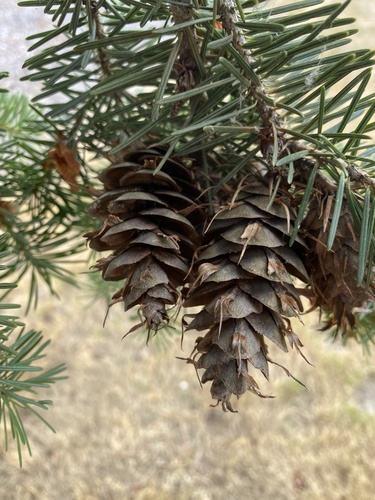
British Columbia, CA
You might spot Douglas Fir, Pacific Madrone, and Rough-Skinned Newt.
View full guide →

British Columbia, CA
You might spot Ochre Sea Star and Yellow Shore Crab.
View full guide →

Ogasawara Islands / Tokyo administration, JP
You might spot Humpback Whale, Sea Turtle, and Spinner Dolphin.
View full guide →
BR
You might spot Humpback Whale, Loggerhead Sea Turtle, and Sea Turtle.
View full guide →
Okinawa, JP
You might spot Sea Turtle, Humpback Whale, and Large Tree Nymph Butterfly.
View full guide →
Amami Islands, JP
You might spot Taiwan Yama-Tsutsuji Azalea and Humpback Whale.
View full guide →
Take the discovery with you
Take Snappit along to identify what you find and add each discovery to your collection.





Common · Mammals
Explore clustered snap locations for this species to see where it has been observed.