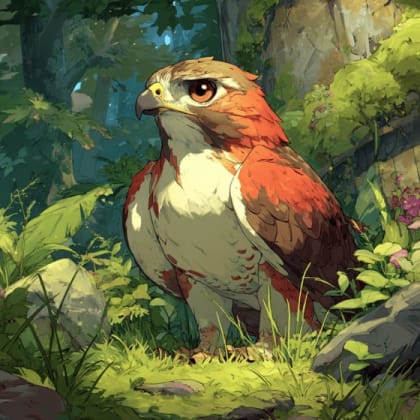





Red Tailed Hawk
.jpg)
Nestled along the southern tip of Santa Cruz County, Sunset State Beach offers a serene coastal retreat, characterized by its expansive sandy shores, towering dunes, and panoramic views of Monterey Bay.
Nestled along the southern tip of Santa Cruz County, Sunset State Beach offers a serene coastal retreat, characterized by its expansive sandy shores, towering dunes, and panoramic views of Monterey Bay. This tranquil haven is a delightful escape from the bustling crowds, providing ample space for relaxation and connection with nature. Bordered by agricultural fields and a sliver of pine woodland, it presents a unique blend of coastal and rural California scenery, making it a favorite among those seeking peace and natural beauty.
The beach is a living ecosystem, teeming with diverse wildlife and plant communities. Visitors can explore coastal scrub and dunes, home to species like the Brush Rabbit and the vibrant Pink Sand Verbena, along with various birds such as the White-crowned Sparrow and California towhees. The rich marine environment supports a variety of shorebirds, including the Long-billed Curlew, Snowy Plover, Sanderling, and Marbled Godwit, while offshore, the waters are frequented by Common Bottlenose Dolphins and even migrating Humpback Whales. The park also boasts a designated glider port where remote-control enthusiasts can enjoy the steady coastal winds.
Sunset State Beach is more than just a beach; it's an invitation to unwind and immerse yourself in the natural world. Whether you're captivated by the sight of a Red-tailed Hawk soaring overhead, beachcombing for an Eccentric Sand Dollar, or simply enjoying a breathtaking sunset over Monterey Bay, the park promises memorable experiences. Its relatively secluded nature ensures a peaceful visit, allowing for deep appreciation of its ecological treasures and stunning vistas. Enhance your adventure: download the Snappit app to identify the local species you encounter.
Sunset State Beach was established in 1931 when the State of California acquired 159 acres of coastal land in Santa Cruz County. This acquisition was a significant early effort by the California Department of Parks and Recreation to preserve sensitive beach areas along Monterey Bay. The move was prompted by rapid agricultural expansion in the Pajaro Valley during the early 20th century, which threatened public access to the shoreline and necessitated the protection of these vital coastal resources from private development. Additional land was added in 1983 when the widow of dairy farmer William Van Laanen sold eight acres to the State, further expanding the park. Today, interpretive exhibits and family programs offer insights into the park's history, local wildlife, and the environmental significance of its dunes, flora, and the Monterey Bay ecosystem.
Relax and Beachcomb: Enjoy the three miles of unobstructed shoreline.
Birdwatching: Look for Long-billed Curlews, Snowy Plovers, Sanderlings, Marbled Godwits, Red-tailed Hawks, and White-crowned Sparrows. The marsh area south of the lower beach parking lot is excellent for birds like Mallards and Cinnamon Teals.
Wildlife Viewing: Keep an eye out for Brush Rabbits in the coastal scrub, and potentially California Sea Lions, Common Bottlenose Dolphins, and Humpback Whales offshore.
Kite Flying & Gliding: The steady winds make it perfect for flying kites or remote-control gliders at the designated glider port.
Picnicking & Bonfires: Utilize the picnic areas with tables and grills, and enjoy bonfires in designated fire rings on the beach until 10 PM.
Explore Flora: Discover plants like Pink Sand Verbena, California poppy, coastal bush lupine, and coastal sagewort in the dunes and coastal scrub.
Summer (May-September): Warmest weather, ideal for beach activities, though campgrounds fill up quickly, so book ahead. Morning fog is common but typically burns off by early afternoon.
Off-season (October-April): Fewer crowds and a chance to experience the beach with more solitude. The South Camp campground loop remains open year-round. Weather can be unpredictable with cooler temperatures and occasional storms.
Winter: Good for birdwatching, including various gull flocks and migratory species.
Spring: Wildflowers, including bright yellow bush lupine, are in bloom.
Sunset State Beach offers accessible parking, restrooms, showers, and picnic areas. A ramp leads to the beach, making it accessible for individuals with mobility needs, and beach wheelchairs are available free of charge. Some campsites are also accessible.
Expansive sandy beach for strolling and beachcombing.
Towering sand dunes offering unique landscapes and trails.
Glider port for remote-control aircraft enthusiasts.
Panoramic views of Monterey Bay, especially at sunset.
Each card links to a full Explore page with photos, traits, and fun facts.
Start with the big picture, then zoom in to explore individual wildlife observations around this place.
Arrive early on weekends
Even though it's less crowded than other beaches, summer weekends can see an influx of visitors, particularly at the campground.
Bring layers
Coastal temperatures can fluctuate throughout the day, with cool mornings and evenings, so dressing in layers is advisable.
Pack a picnic
Covered picnic tables and charcoal grills are available behind the dunes, making it a perfect spot for an outdoor meal.
Explore the dunes
Take small trails leading through the dunes from the campground to the sea for unique views and to observe coastal flora and fauna.
Check for plover nesting areas
Western Snowy Plovers nest directly on the beach sands, and disturbing posted nesting areas is a federal violation.
Be mindful of rip currents
While wading is possible, strong rip currents make swimming and deeper wading hazardous for inexperienced swimmers.
Jan 16, 2026
Jan 16, 2026
Jan 13, 2026
Jan 13, 2026
Jan 13, 2026

Maryland, US
You might spot White-Tailed Deer and Eastern Gray Squirrel.
View guide →
.jpg)
District of Columbia, US
You might spot Eastern Gray Squirrel, Duck, and House Sparrow.
View guide →

Illinois, US
You might spot American Robin, Canada Goose, and House Sparrow.
View guide →

Virginia, US
You might spot Spotted Lanternfly and Northern Cardinal.
View guide →
Take the discovery with you
Identify the wildlife you spot, learn as you go, and keep a collection of the adventure.