

Sea Holly
Eryngium maritimum
Sea Holly has spiky blue flowers that look like little stars! It loves to grow near the ocean or sandy areas.
Habitat: Coastal dunes and sandy areas
The Sea Holly is a strikingly architectural plant with stiff, leathery, spiky leaves that are a distinctive silvery-blue-green color. Its unique thistle-like flowers are also metallic blue-green, surrounded by sharp, pointed bracts, making it visually stand out against sandy coastal landscapes.
Category
PlantsRarity
Rare
Danger
1/5 · Very low
Snaps
1
During Shakespeare's time, Sea Holly roots were believed to have magical powers, even as an aphrodisiac!
Its candied roots were a popular sweet treat, once called 'Eryngo' kisses, especially in Victorian times!
Sea Holly is a pioneer plant, meaning it's one of the first plants to grow and help stabilize new sand dunes.
The plant's unique metallic blue color comes from special air pockets and waxy coatings, not just pigment.
Sea Holly has a super long taproot that anchors it in shifting sands and helps it find deep underground water sources.
Its thick, waxy, and often spiny leaves help Sea Holly reduce water loss and tolerate salty sea spray.
Sea Holly's roots help stabilize sandy dunes, preventing erosion and creating habitat for other plants.
Apis mellifera
Attracted to its nectar-rich blue flowers.
Bombus terrestris
A frequent visitor collecting nectar and pollen.
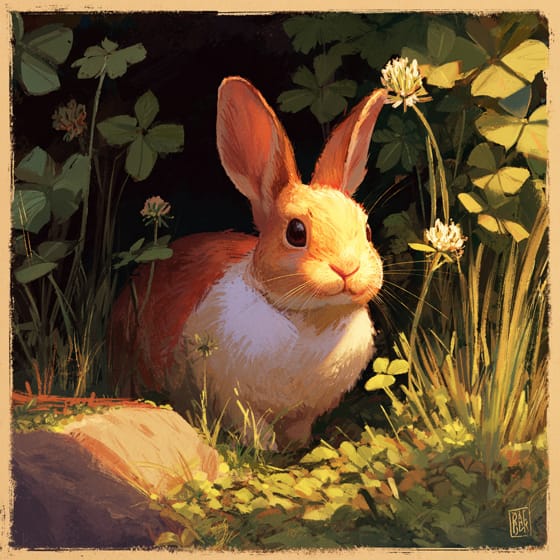
Oryctolagus cuniculus
Can browse on young shoots and leaves in coastal areas.
Ammophila arenaria
Often grows nearby, helping stabilize coastal sand dunes.
Deciduous plants periodically shed all their leaves, typically during autumn or dry seasons.
Cluster flowers are inflorescences where individual flowers are arranged closely together on a common stem.
A shrub is a woody plant smaller than a tree, typically with multiple stems branching from or near the ground.
Fragrant flowers emit a pleasant aroma, often to attract pollinators or for defense.

Salt tolerant plants can withstand and grow in conditions with elevated salinity levels in the soil or water.

Coastal habitats are dynamic environments located along the interface between land and sea, influenced by tides, waves, and saltwater.
Danger
1/5 · Very low
Explore with care and ask an adult if you’re unsure what to do.
30-60 cm
30-60 cm
2-4 cm
Summer
Yes
None
Perennial
Insect
Zoom in to split clusters and explore where this object has been snapped.