





Pink Tulip
The Pink Tulip is a lovely flower that adds a splash of color to any garden! It blooms in the spring and is loved by bees.
Habitat: Gardens and parks
The Pink Tulip is a stunning flower with cup-shaped petals, often displaying shades from soft pastel to vibrant fuchsia. Its smooth, waxy petals gracefully unfold, revealing a dark center in some varieties. Tall, sturdy green stems support the elegant blossoms, rising from broad, lance-shaped leaves.
Category
PlantsRarity
Common
Danger
1/5 · Very low
Snaps
Be the first to snap!
Many pink tulips close their petals at night to protect their delicate parts from cold.
Some tulip petals are strong enough to withstand light spring rain and wind.
There are over 3,000 different registered varieties of tulips in the world!
Tulips were once so valuable in the Netherlands, they caused a famous economic bubble!
Pink Tulips have an underground bulb that stores food, helping them survive winter and grow back each spring.
Its bright pink petals attract pollinating insects like bees, ensuring the plant can make seeds for new tulips.
Tulip bulbs contain all the nutrients the plant needs for its first growth, pushing up quickly.
Apis mellifera
collects nectar and pollen
Bombus terrestris
helps transfer pollen between flowers
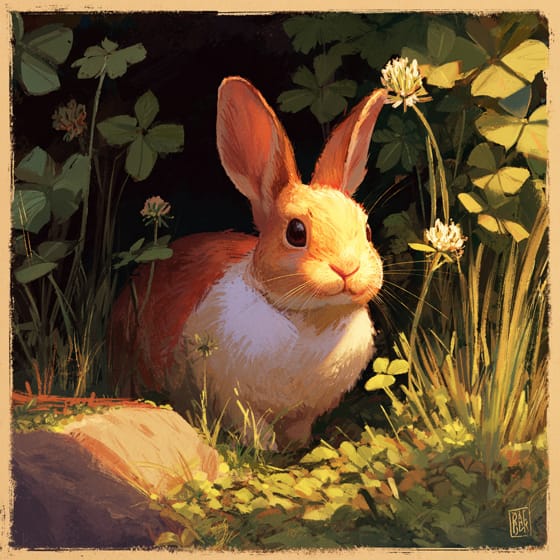
Oryctolagus cuniculus
sometimes nibbles on leaves
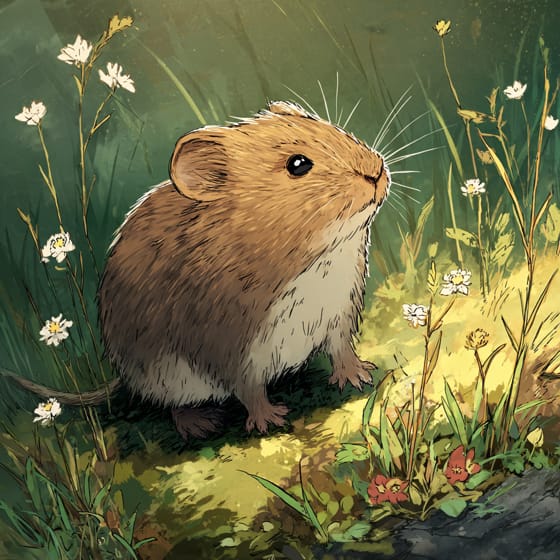
Microtus arvalis
can eat tulip bulbs underground
Flowering plants are any plants that produce flowers as part of their reproductive cycle.
Ornamental plants are cultivated primarily for their aesthetic appeal, enhancing landscapes and gardens with their attractive foliage, flowers, or form.
Spring blooming plants produce their flowers during the spring season, often signifying the end of winter and the start of new growth.
Fragrant flowers emit a pleasant aroma, often to attract pollinators or for defense.

Colorful describes organisms or objects displaying a wide range of bright and distinct colors.

This habitat trait indicates species that can coexist with humans in urban and suburban environments, utilizing man-made structures and green spaces.
Danger
1/5 · Very low
Explore with care and ask an adult if you’re unsure what to do.
The easiest way to identify Pink Tulip is to use the Snappit nature identifier app.
30-50 cm
10-20 cm
5-10 cm
Spring
No
Mild
Perennial
Zoom in to split clusters and explore where this object has been snapped.
Recent snaps will appear here as new observations are added.
Take the discovery with you
Snap it with Snappit to identify it, learn what makes it special, and add the discovery to your collection.








.jpg&width=800)


_001.jpg&width=800)




