



Komodo Dragon
Varanus komodoensis
The Komodo Dragon is a large lizard known for its size and strength. It has a long tail and sharp claws.
Habitat: Tropical forests and savannas.
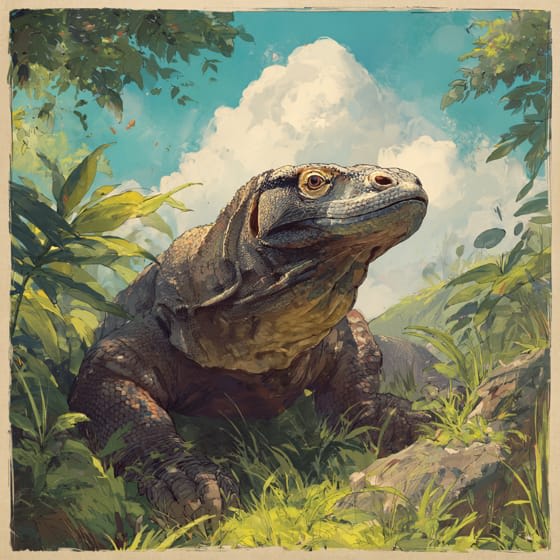
The Komodo Dragon is a massive, muscular lizard with rough, scaly skin typically dark grey to reddish-brown. It has a broad head, powerful limbs, and a long, thick tail as long as its body. Its distinctive yellow forked tongue often flickers.
Category
ReptilesRarity
Legendary
Danger
5/5 · Extreme
Snaps
Be the first to snap!
Baby Komodo Dragons climb trees to escape hungry adults, even their own parents!
Female Komodo Dragons can lay eggs and hatch babies without a male partner!
Komodo Dragons can eat almost their entire body weight in one amazing meal!
They dig burrows up to 30 feet deep for shelter and to lay their eggs!
Komodo Dragon can deliver a venomous bite because of glands that secrete toxins, helping them weaken and take down large prey.
Komodo Dragon has a superb sense of smell using its forked tongue, which helps them detect prey from far away.
Komodo Dragon has a powerful, whip-like tail that helps them knock down large prey and defend against threats.
Komodo Dragons are fierce hunters and scavengers, eating almost any animal they can catch or find.
Age differences: Young dragons primarily eat insects, smaller lizards, and birds, climbing trees to avoid adult predators.
Cervus timorensis
A primary large prey item on their home islands.
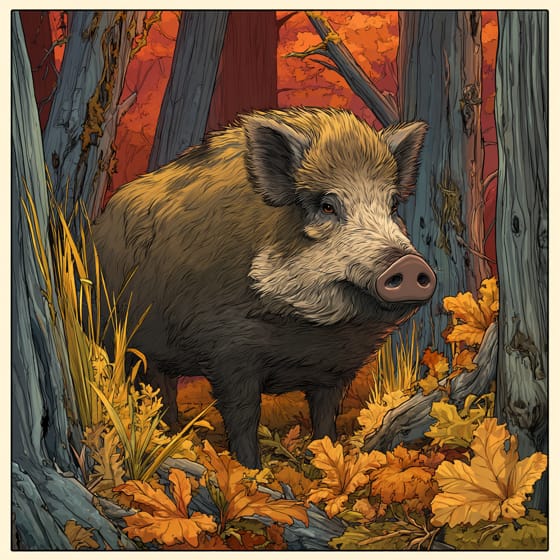
Sus scrofa
They ambush and take down wild pigs in their habitat.
Bubalus bubalis
Known to hunt young or weakened feral water buffalo.
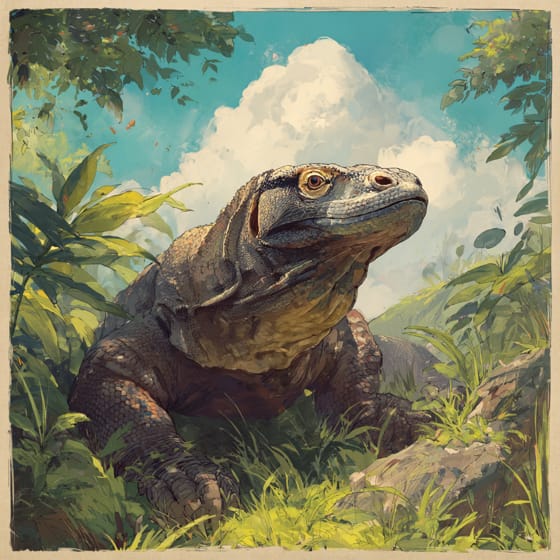
Varanus komodoensis
Adults sometimes cannibalize younger or smaller Komodo Dragons.
Wildlife encompasses all undomesticated animal and plant life existing in their natural habitats.
Solitary animals live alone for most of their lives, only interacting with others for mating or parental care.
This habitat trait denotes species native to savannas, which are grasslands with scattered trees, typically found in tropical or subtropical regions with distinct wet and dry seasons.
An ambush predator hunts by patiently waiting and concealing itself, then launching a sudden attack when unsuspecting prey comes within range.

This trait signifies organisms belonging to a very old evolutionary group with ancestors dating back millions of years.

This trait identifies organisms whose diet consists entirely or primarily of animal tissue.

Giant describes organisms or objects of significantly larger size than average for their species or type.

Nocturnal animals are primarily active during the nighttime hours, typically resting or sleeping during the day.
Danger
5/5 · Extreme
Look but don’t touch. Keep a safe distance and wash hands after exploring.
200-310 cm
70-90 kg
20-30 years
20 km/h
Komodo Dragons are fierce hunters and scavengers, eating almost any animal they can catch or find.
10 km/h
Tropical forests and savannas.
Ambush and Scavenging
Zoom in to split clusters and explore where this object has been snapped.
Recent snaps will appear here as new observations are added.

Tennessee, US
You might spot Komodo Dragon, Western Barn Owl, and Snow Leopard.
View guide →

Michigan, US
You might spot African Lion, Komodo Dragon, and Brown Bear.
View guide →
Ohio, US
You might spot African Lion, Komodo Dragon, and Tiger.
View guide →
Oklahoma, US
You might spot African Lion, Komodo Dragon, and Giraffes.
View guide →
Kentucky, US
You might spot African Lion, Komodo Dragon, and Rosy Boa.
View guide →
England, UK
You might spot African Lion, Komodo Dragon, and Common Ostrich.
View guide →