




Adder
Vipera berus
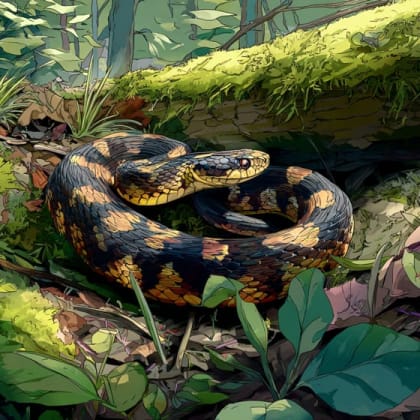
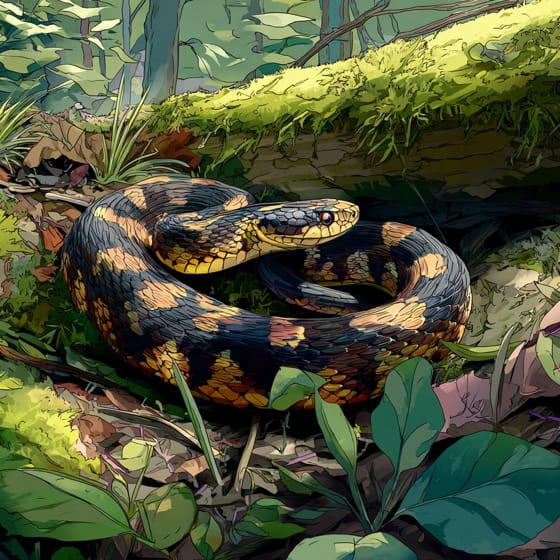
The Adder is a small snake with a zigzag pattern on its back! They are usually shy and prefer to hide.
Habitat: Forests and heathland
The Adder has a distinctive dark zigzag pattern running along its grey, brown, or sometimes reddish-brown body. Males are typically grey with black markings, while females are browner with darker brown marks. Its slender body and flattened head distinguish it from non-venomous snakes.
Category
ReptilesRarity
Rare
Danger
5/5 · Extreme
Snaps
4
Adder babies are born live, not from eggs, making them unique among many snakes!
Adders bask in the sun to warm up, helping their cold-blooded bodies stay active.
An Adder can 'smell' using its tongue, flicking it to pick up scents from the air.
They are the only venomous snake species found in the Arctic Circle!
Adder can inject venom using two hollow fangs, which helps them quickly overpower and immobilize their prey.
Adder has a patterned skin that provides excellent camouflage, helping them blend into their surroundings to ambush prey.
Adder gives birth to live young, not eggs, which helps protect the developing babies inside the mother's body.
The Adder is a carnivore, primarily eating small mammals and sometimes birds or lizards.
Age differences: Juveniles primarily eat lizards and amphibians, while adults consume larger prey.

Microtus agrestis
A primary prey item for adult Adders.

Sorex araneus
Frequently hunted by Adders, especially smaller individuals.
Zootoca vivipara
An important food source, particularly for juvenile Adders.
Buteo buteo
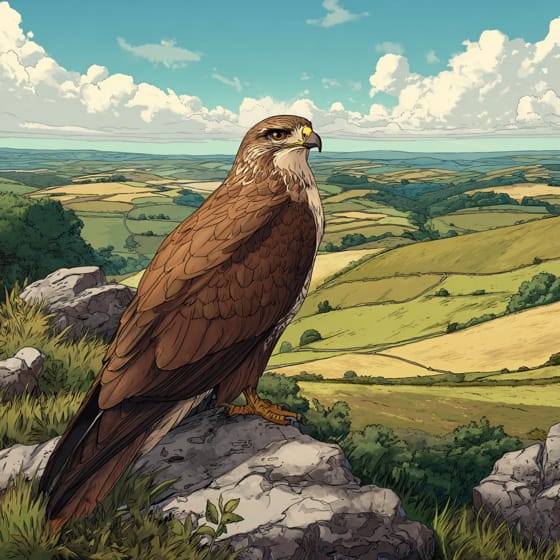
Buzzards are known predators of Adders, especially young snakes.
Wildlife encompasses all undomesticated animal and plant life existing in their natural habitats.
Solitary animals live alone for most of their lives, only interacting with others for mating or parental care.
Camouflaged describes organisms that possess coloring or patterns that allow them to blend into their environment.
Forest habitats are terrestrial environments dominated by dense tree cover, supporting a high diversity of plant and animal life.

This trait identifies organisms whose diet consists entirely or primarily of animal tissue.

Nocturnal animals are primarily active during the nighttime hours, typically resting or sleeping during the day.

Venomous organisms produce toxins that are injected into another animal, typically through a bite or sting.
Danger
5/5 · Extreme
Look but don’t touch. Keep a safe distance and wash hands after exploring.
The easiest way to identify Adder is to use the Snappit nature identifier app.
60-90 cm
0.05-0.18 kg
10-20 years
6 km/h
The Adder is a carnivore, primarily eating small mammals and sometimes birds or lizards.
Forests and heathland
Ambush
Zoom in to split clusters and explore where this object has been snapped.

Lapland, FI
You might spot Polar Bear, Brown Bear, and Wolverine.
View guide →
.jpg)
Ústí nad Labem Region, CZ
You might spot Bears, South American Tapir, and Macaques.
View guide →

England, UK
You might spot Chimpanzee, Bornean Orangutan, and Sumatran Orangutan.
View guide →
Take the discovery with you
Snap it with Snappit to identify it, learn what makes it special, and add the discovery to your collection.