




Tiger
Nestled within Tulsa's expansive Mohawk Park, the Tulsa Zoo invites visitors on a global adventure, offering an immersive journey through diverse habitats and encounters with a remarkable array of wildlife.
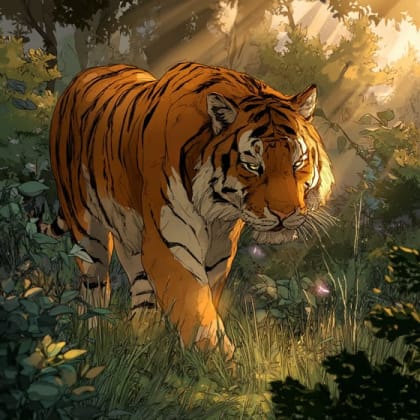
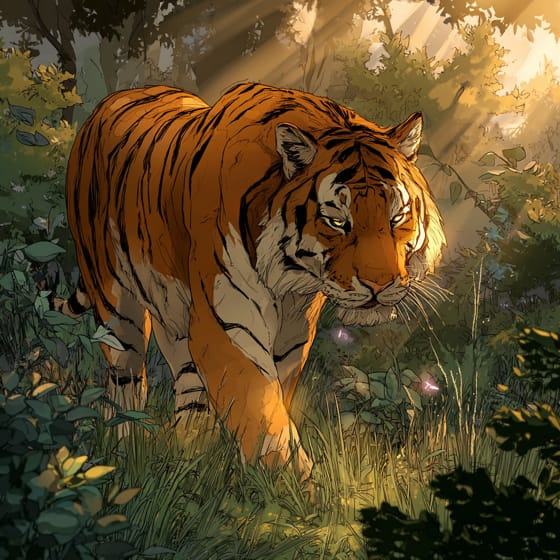
Nestled within Tulsa's expansive Mohawk Park, the Tulsa Zoo invites visitors on a global adventure, offering an immersive journey through diverse habitats and encounters with a remarkable array of wildlife. Spanning 84 to 85 acres, this accredited institution is home to more than 4,000 animals across 436 species, providing a captivating blend of education, conservation, and fun for all ages. From the moment you step inside, you'll find beautifully designed environments that transport you to distant lands, fostering a deeper appreciation for the natural world. One of the zoo's most celebrated areas is the Lost Kingdom, an expansive complex inspired by ancient Asian cultures and architecture, such as Angkor Wat. Here, you can marvel at majestic Malayan tigers, elusive snow leopards, fascinating Komodo dragons, and playful siamangs.
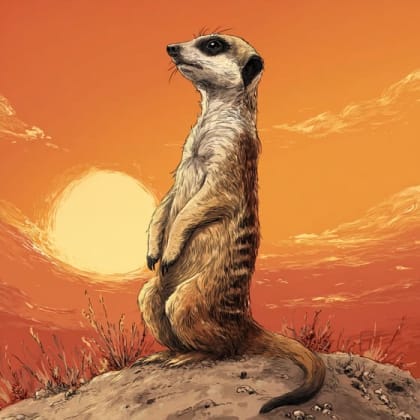
This exhibit provides year-round viewing, with both indoor and outdoor habitats designed to give visitors up-close perspectives of these incredible species in naturalistic settings. Nearby, the Mary K. and John T. Oxley Family Elephant Experience offers a spacious 2.5-acre home for Asian elephants, complete with indoor and outdoor viewing areas and an interpretive center to learn about their adaptations. Beyond Asia, the zoo takes you to the African Plains, where you can spot towering giraffes, powerful lions, and impressive Southern white rhinos, alongside curious meerkats and African wild dogs. Journey into the Rainforest exhibit, a lush, tropical re-creation filled with exotic birds, black howler monkeys, jaguars, and sloths, providing an unforgettable walk-through experience with controlled temperature and humidity.
Don't miss the Helmerich Sea Lion Cove for underwater views of California sea lions, or the charming Penguin Habitat where African penguins in their distinctive black-and-white attire await. The Robert J. LaFortune WildLIFE Trek further explores animal adaptations across water, desert, forest, and cold climates, featuring grizzly bears, seahorses, and chinchillas. For younger visitors, the Children's Zoo offers a delightful petting yard with Nigerian dwarf goats and red kangaroos, plus playful river otters. The Tulsa Zoo is not just a place to observe animals; it's a dynamic center for conservation, actively participating in breeding programs for endangered species and supporting global initiatives. Be ready to snap and learn! Get the Snappit app to identify any nature species you find here.
The Tulsa Zoo boasts a rich history dating back to its establishment in 1927, with its official opening in 1928. Originally known as the Mohawk Park Zoo, it quickly grew, introducing iconic features like "Monkey Island" in 1931 and welcoming its first chimpanzee, "Duke," in 1950. A significant milestone occurred in 1976 when the institution was officially renamed Tulsa Zoological Park and became one of the first zoos to receive accreditation from the Association of Zoos and Aquariums (AZA). Over the decades, the zoo has continuously expanded and modernized its exhibits, including the opening of the Robert J. LaFortune North American Living Museum in 1978 (now the WildLIFE Trek), the Tropical American Rainforest in 1997, and the highly acclaimed Lost Kingdom in 2017. In 2005, the Tulsa Zoo was even recognized as "America's Favorite Zoo" in a national competition. Since 2010, the zoo has been privately managed by Tulsa Zoo Management, Inc., operating as a non-profit dedicated to wildlife conservation and education.
Each card links to a full Explore page with photos, traits, and fun facts.
Start with the big picture, then zoom in to explore individual wildlife observations around this place.
Wear comfortable shoes
The zoo spans 85 acres, so you'll be doing a lot of walking.
Stay hydrated
Bring a refillable water bottle; stations are available throughout the park, especially important during warmer months.
Protect from the sun
Don't forget sunscreen and a hat, particularly on sunny Oklahoma days.
Arrive early
Beat the crowds and see animals at their most active, especially if visiting during peak seasons or weekends.
Utilize the train
Consider starting your visit with a ride on the zoo train to get an overview of the park and conserve energy.
Plan your route
Check the zoo map upon arrival and prioritize exhibits for your group, especially if traveling with children, to ensure you see what interests you most.
Mar 2, 2026
Mar 2, 2026
Mar 2, 2026
Mar 2, 2026
Mar 2, 2026

Michigan, US
You might spot African Lion, Komodo Dragon, and Brown Bear.
View guide →
.jpg)
Municipal District of Cobh, IE
You might spot Ring-Tailed Lemur, Giraffes, and Cheetahs.
View guide →

Nouvelle-Aquitaine, FR
You might spot Greater Flamingo, Giraffes, and Red Panda.
View guide →

Texas, US
You might spot Giraffes, African Lion, and Eastern Black Rhinoceros.
View guide →
Take the discovery with you
Identify the wildlife you spot, learn as you go, and keep a collection of the adventure.