Leghorn Chicken
Gallus gallus domesticus
Leghorn chickens are friendly birds known for their white feathers and cheerful clucks. They love to peck around and explore their farmyard home.
The Leghorn Chicken has a sleek, often pure white body, though other colors exist. It is easily recognized by its prominent, bright red single comb and wattles, with distinctive white earlobes. Its slender build and upright posture differentiate it from many other chicken breeds.
Category
BirdsRarity
Common
Danger
1/5 · Very low
Snaps
Be the first to snap!
A single Leghorn hen can lay more than 300 eggs in just one year!
Some Leghorns sport a giant, floppy comb that hangs to the side!
Their name comes from Livorno, Italy, where they were first exported from!
Wild ancestors of Leghorn chickens once roamed the jungles of Southeast Asia!
Leghorn Chickens can lay over 300 white eggs annually because they are specifically bred for high egg production.
Leghorn Chickens can actively search for food, helping them find insects and seeds efficiently in open areas.
Leghorn Chickens have a robust nature that helps them adapt and thrive in various climates and conditions.
Leghorn chickens are omnivores, munching on a mix of plants and small critters.
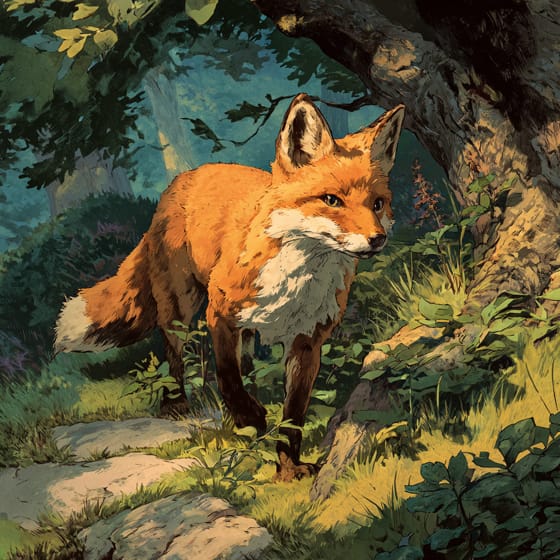
Vulpes vulpes
Foxes are common predators of free-ranging chickens.

Buteo jamaicensis
Large birds of prey can hunt chickens from above.
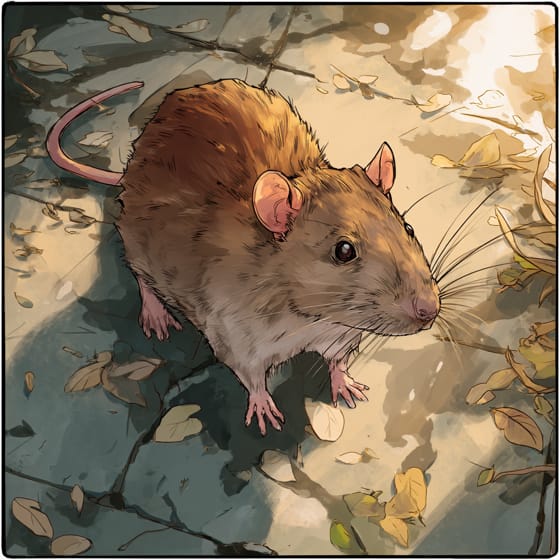
Rattus norvegicus
Rats often consume chicken feed and sometimes eggs.
Dermanyssus gallinae
These mites live on chickens and feed on their blood.
Wildlife encompasses all undomesticated animal and plant life existing in their natural habitats.
Feathered describes animals, primarily birds, possessing a covering of feathers.
Social animals live in organized groups, cooperating for survival benefits such as foraging, defense, and raising offspring.
This trait identifies organisms whose diet includes both plant and animal matter.

Diurnal animals are primarily active during daylight hours, typically resting or sleeping at night.

This trait identifies organisms that exhibit exceptional swiftness in movement for hunting, escape, or travel.

This habitat trait indicates species that can coexist with humans in urban and suburban environments, utilizing man-made structures and green spaces.
Danger
1/5 · Very low
Always be gentle around chickens. They are friendly but can peck if scared.
40-50 cm
60-75 cm
2-3.4 kg
5-10 years
14 km/h
Leghorn chickens are omnivores, munching on a mix of plants and small critters.
Foraging
5-7
Zoom in to split clusters and explore where this object has been snapped.
Recent snaps will appear here as new observations are added.