





Song Thrush
Turdus philomelos
The Song Thrush is a small bird with a beautiful singing voice. It loves to hop around gardens and forests searching for insects and berries to eat.
Habitat: Forests, Gardens
The Song Thrush has a warm brown back and head, contrasting with a creamy-buff chest and flanks. Its underside is covered in distinctive dark brown, arrow-shaped spots that form streaks. It closely resembles other thrushes but has a less uniform spotting pattern.
Category
BirdsRarity
Common
Danger
1/5 · Very low
Snaps
5
Male and female Song Thrushes look almost identical, making them tricky to tell apart!
Song Thrush eggs are a beautiful blue-green, covered in tiny black spots!
Song Thrushes help spread plant seeds by eating berries and then pooping them out elsewhere!
They build strong nests, often using mud to bind sticks and grass together!
Song Thrush can produce a varied, repetitive song because of its complex vocal chords, helping it attract mates and defend territory.
Song Thrush can crack open snail shells by hitting them against stones, allowing them to access the nutritious soft body inside.
Song Thrush has subtle brown and spotted plumage that helps them blend perfectly into their woodland surroundings, hiding from predators.
They munch on creepy crawlies and juicy fruits found on the ground.

Accipiter nisus
A common aerial predator of small birds.
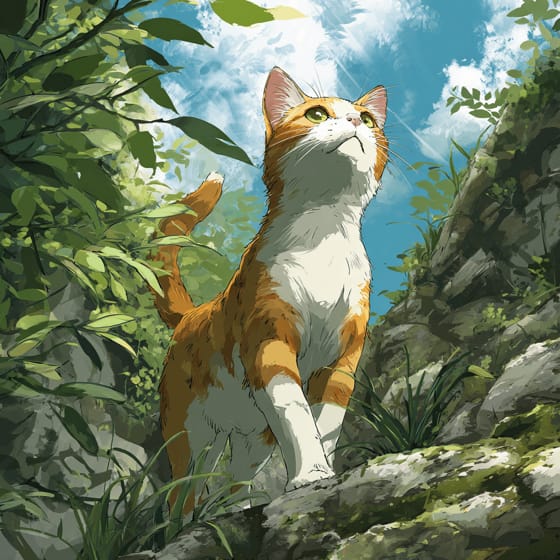
Felis catus
A significant predator in garden and urban areas.
Cornu aspersum
A primary food source, cracked open using stones.
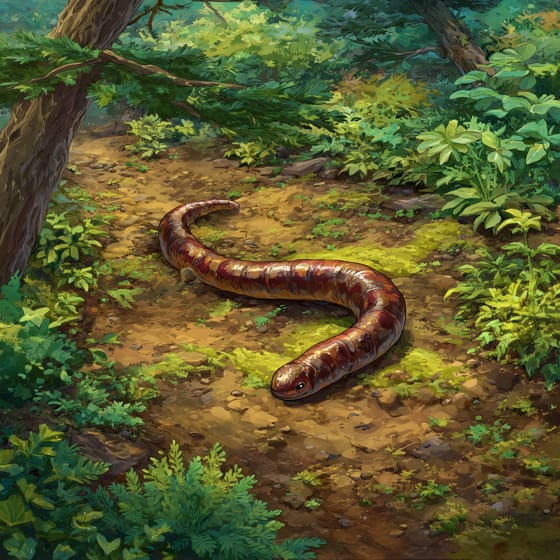
Lumbricus terrestris
A common prey item found by foraging on the ground.
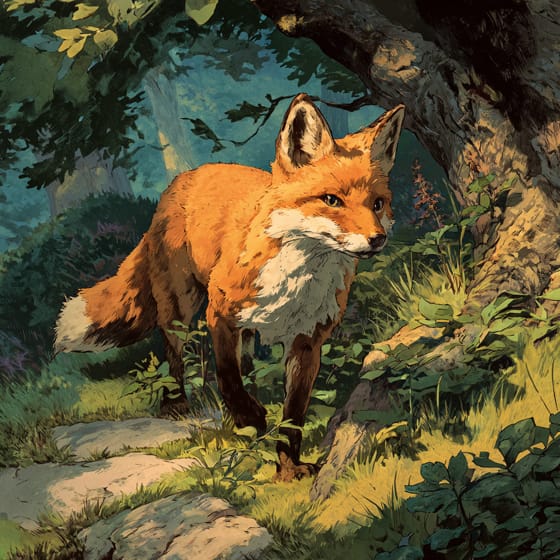
Vulpes vulpes
Preys on thrushes, especially their nests and young.
Wildlife encompasses all undomesticated animal and plant life existing in their natural habitats.
Feathered describes animals, primarily birds, possessing a covering of feathers.
Social animals live in organized groups, cooperating for survival benefits such as foraging, defense, and raising offspring.
Singing animals produce complex vocalizations, often for purposes of attracting mates, defending territory, or communicating within their species.

Camouflaged describes organisms that possess coloring or patterns that allow them to blend into their environment.

This trait identifies organisms whose diet primarily consists of insects and other small invertebrates.

Forest habitats are terrestrial environments dominated by dense tree cover, supporting a high diversity of plant and animal life.

Diurnal animals are primarily active during daylight hours, typically resting or sleeping at night.
Danger
1/5 · Very low
Enjoy watching Song Thrushes from a distance to avoid scaring them away.
The easiest way to identify Song Thrush is to use the Snappit nature identifier app.
20-23 cm
33-36 cm
0.05-0.09 kg
2-10 years
40 km/h
They munch on creepy crawlies and juicy fruits found on the ground.
Forests, Gardens
Zoom in to split clusters and explore where this object has been snapped.

Spain, ES
You might spot Giant Panda, Koala, and Bottlenose Dolphin.
View guide →

Bavaria, DE
You might spot Polar Bear, Giraffes, and Asian Elephant.
View guide →
.jpg)
Ústí nad Labem Region, CZ
You might spot Bears, South American Tapir, and Macaques.
View guide →

Spain, ES
You might spot African Elephant, Brown Bear, and Gorilla.
View guide →

Normandy, FR
You might spot White Tiger, Giraffes, and White Rhinoceros.
View guide →
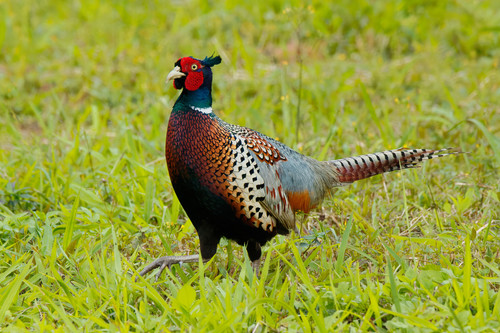
England, UK
You might spot Ring-Necked Pheasant, Goose, and Eurasian Coot.
View guide →
Take the discovery with you
Snap it with Snappit to identify it, learn what makes it special, and add the discovery to your collection.





.jpg&width=800)








