






Snow Goose
Anser caerulescens
Snow Geese are beautiful white birds with black wingtips. They migrate long distances in large groups called flocks, making loud honking sounds as they fly.
Habitat: Coastal areas
The Snow Goose is predominantly white, with black primary wing feathers visible in flight. It has a pink bill with a black 'grinning patch' along the tomia. There is also a 'blue morph' variant with a dark body and white head, making it visually distinct from its white relatives.
Category
BirdsRarity
Common
Danger
1/5 · Very low
Snaps
37
A single flock of migrating Snow Geese can contain hundreds of thousands of birds!
Snow Geese get a 'grinning patch' on their bill from mud when they dig for roots!
Some Snow Goose parents teach their goslings to fly by leaping off cliffs!
They can survive super cold Arctic winters by eating stored fat and huddling in huge groups!
Snow Goose can fly thousands of miles because of powerful wings that help them navigate vast distances during migration.
Snow Goose has a specialized bill that helps them dig deeply into frozen ground to find nutritious plant roots and tubers.
Some Snow Geese are born with grey-blue feathers, a 'blue morph', because of a genetic difference that makes them unique.
These geese are plant-eaters, munching on grasses and roots found in watery fields and tundra.
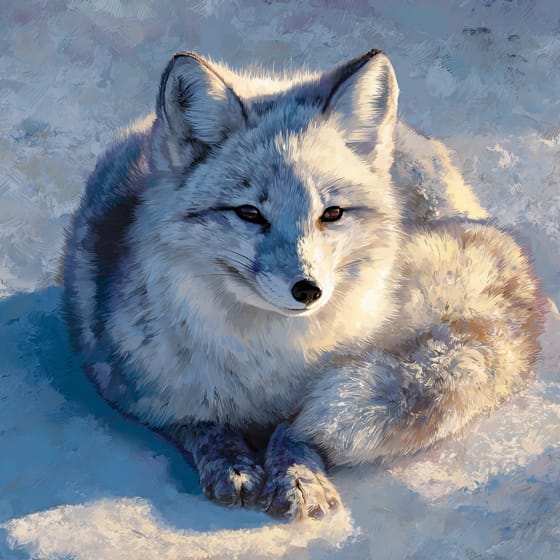
Vulpes lagopus
Preys on eggs and goslings
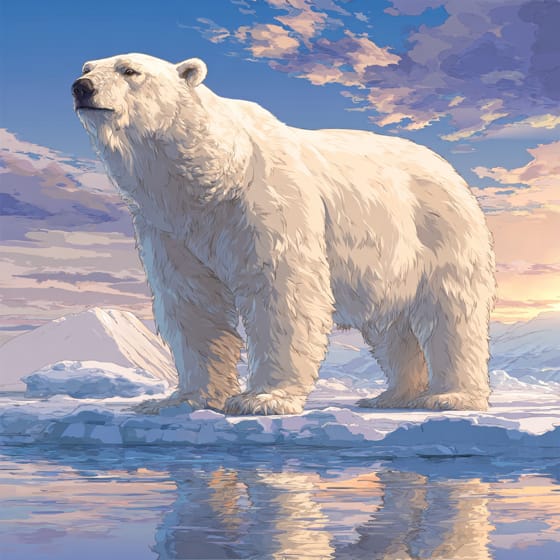
Ursus maritimus
Eats eggs and sometimes adults

Haliaeetus leucocephalus
Preys on goslings and weak adults
Carex aquatilis
Primary food source, especially roots
Wildlife encompasses all undomesticated animal and plant life existing in their natural habitats.
Feathered describes animals, primarily birds, possessing a covering of feathers.
Social animals live in organized groups, cooperating for survival benefits such as foraging, defense, and raising offspring.
This trait characterizes organisms whose diet consists entirely or primarily of plant material.

Coastal habitats are dynamic environments located along the interface between land and sea, influenced by tides, waves, and saltwater.

Migratory animals undertake seasonal movements from one region to another, typically in response to changes in climate or food availability.
Danger
1/5 · Very low
Enjoy watching Snow Geese from a safe distance to avoid scaring them.
64-79 cm
135-165 cm
2-3.2 kg
10-20 years
95 km/h
These geese are plant-eaters, munching on grasses and roots found in watery fields and tundra.
Coastal areas
Grazing
Zoom in to split clusters and explore where this object has been snapped.

Nebraska, US
You might spot African Lion, Giraffes, and Tiger.
View guide →

Colorado, US
You might spot Tiger, Aurelia Aurita, and Barramundi.
View guide →
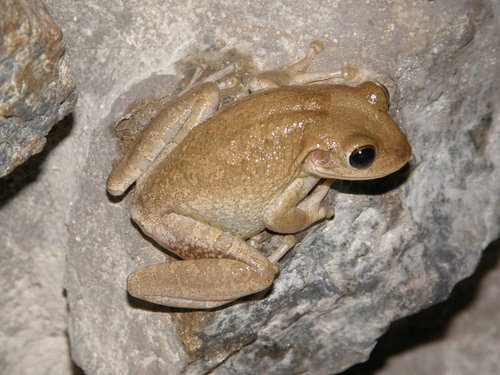
New York, US
You might spot Cuban Tree Frog and Armoracia.
View guide →

Washington, US
You might spot Canada Goose, Daisy, and Duck.
View guide →
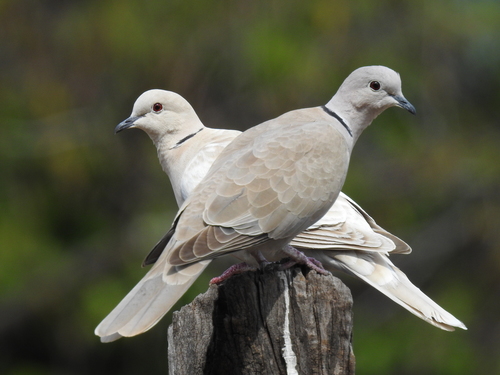
Tennessee, US
You might spot Eurasian Collared-Dove and Honey Fungus.
View guide →
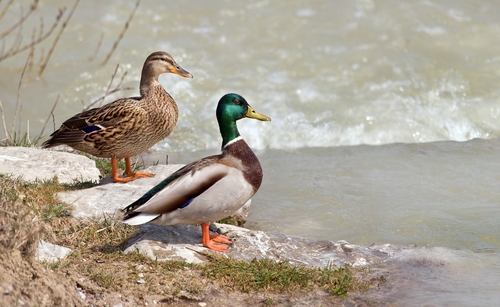
Michigan, US
You might spot Duck, Jack-In-The-Pulpit, and Mayapple.
View guide →
















