





Bald Eagle
Haliaeetus leucocephalus
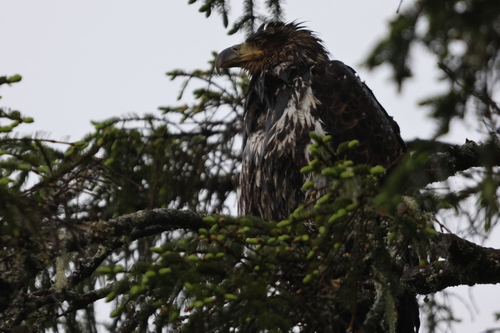
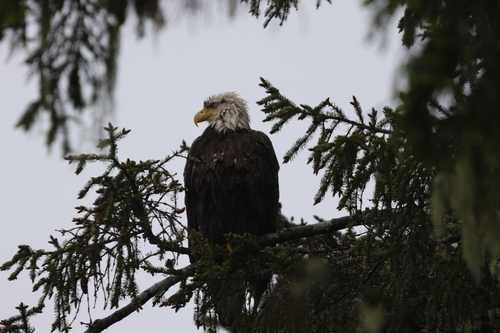
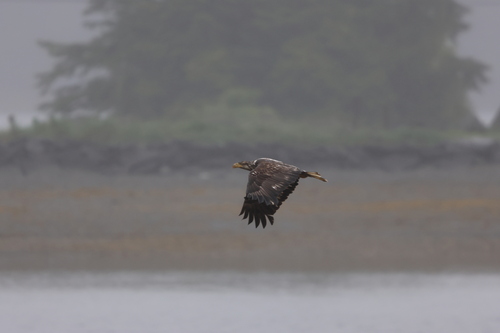
The Bald Eagle is a majestic bird known for its white head and tail. It has a strong beak and sharp talons, making it a powerful hunter. Bald Eagles can often be seen soaring high in the sky or perched on tall trees near water.
Habitat: Coastal areas
The Bald Eagle is a large raptor with a distinctive white head and tail, sharply contrasting with its dark brown body. Its powerful, hooked beak and strong talons are a bright yellow, making it easily recognizable.
Category
BirdsRarity
Common
Danger
2/5 · Low
Snaps
646
A group of Bald Eagles flying together is called a 'convocation'!
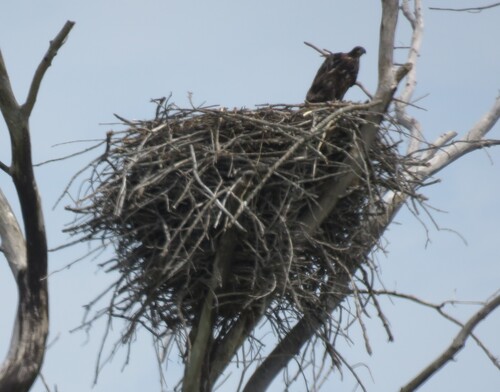
Bald Eagles build the largest nests of any North American bird, sometimes weighing over a ton!
The Bald Eagle is the national bird of the United States, chosen in 1782!
They often steal fish from other birds, like ospreys, rather than hunting themselves!
Bald Eagles have incredibly powerful eyesight that helps them spot fish from hundreds of feet above, even through water.
Bald Eagles possess immensely strong talons which allow them to snatch and carry prey weighing several pounds while flying.
Bald Eagles can soar effortlessly on thermals, conserving energy as they scan vast areas for food with minimal effort.
Bald Eagles are expert hunters that mostly feast on fish, but they also eat other small animals and carrion.
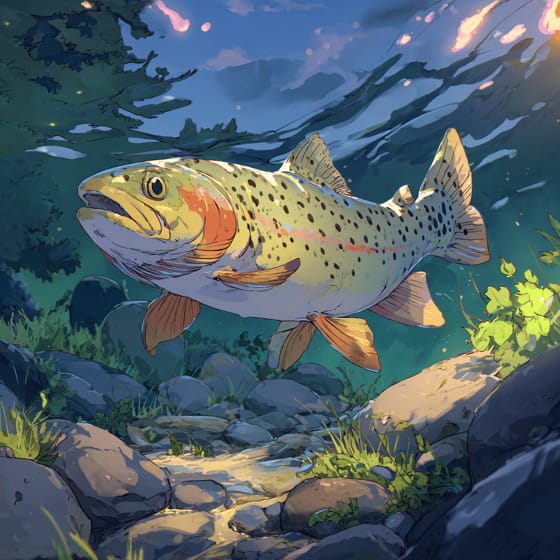
Oncorhynchus mykiss
Main food source in many freshwater habitats.
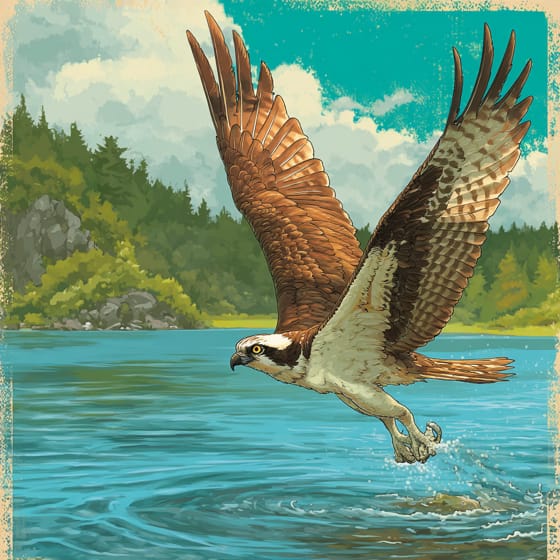
Pandion haliaetus
Often harasses ospreys to steal their freshly caught fish.

Procyon lotor
Raccoons occasionally raid nests for eggs or chicks.
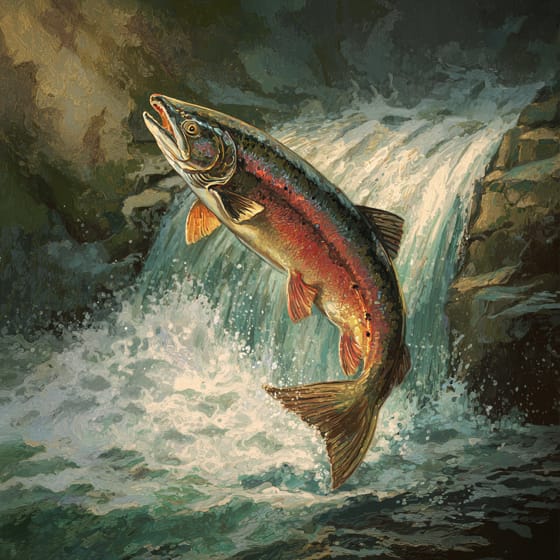
Salmo salar
Important prey during spawning seasons in specific regions.
Feathered describes animals, primarily birds, possessing a covering of feathers.
Social animals live in organized groups, cooperating for survival benefits such as foraging, defense, and raising offspring.
Aerial creatures spend a significant portion of their lives airborne, utilizing flight for various activities such as hunting, migration, or nesting.
Piscivorous organisms are animals that primarily subsist on a diet of fish.

Coastal habitats are dynamic environments located along the interface between land and sea, influenced by tides, waves, and saltwater.

This trait identifies organisms whose diet consists entirely or primarily of animal tissue.

Diurnal animals are primarily active during daylight hours, typically resting or sleeping at night.

Describes a species whose presence and role have a disproportionately large effect on its environment.

Migratory animals undertake seasonal movements from one region to another, typically in response to changes in climate or food availability.

Endangered status indicates a species is at a very high risk of extinction in the wild in the near future.
Danger
2/5 · Low
If you see a Bald Eagle, enjoy watching it from a distance. Don't try to get too close!
The easiest way to identify Bald Eagle is to use the Snappit nature identifier app.
70-102 cm
180-230 cm
3-6.3 kg
15-20 years
75 km/h
Bald Eagles are expert hunters that mostly feast on fish, but they also eat other small animals and carrion.
Coastal areas
Zoom in to split clusters and explore where this object has been snapped.
Jun 16, 2026
Chicken Ridge Historic DistrictPhoto attribution
(c) Ace, some rights reserved (CC BY)
License: CC BY 4.0 ↗
Image may be shown cropped inside the card frame.
Jun 6, 2026
Sitka National Historical ParkPhoto attribution
(c) Alex Brown, some rights reserved (CC BY)
License: CC BY 4.0 ↗
Image may be shown cropped inside the card frame.
Jun 6, 2026
Sitka National Historical ParkPhoto attribution
(c) Alex Brown, some rights reserved (CC BY)
License: CC BY 4.0 ↗
Image may be shown cropped inside the card frame.
Jun 6, 2026
Sitka National Historical ParkPhoto attribution
(c) Alex Brown, some rights reserved (CC BY)
License: CC BY 4.0 ↗
Image may be shown cropped inside the card frame.
Jun 4, 2026
Brady's Bluff Prairie State Natural AreaPhoto attribution
(c) Marilynn Miller, some rights reserved (CC BY)
License: CC BY 4.0 ↗
Image may be shown cropped inside the card frame.

Connecticut, US
You might spot Bold Jumping Spider and American Tuliptree.
View guide →

Oregon, US
You might spot Duck, Pacific Trillium, and Wood Duck.
View guide →

Vermont, US
You might spot Japanese Knotweed and Red-Bellied Woodpecker.
View guide →

Virginia, US
You might spot Pharaoh Cicada, Lesser Celandine, and Eastern Box Turtle.
View guide →

Alaska, US
You might spot Brown Bear, Common Merganser, and Sockeye Salmon.
View guide →

Ohio, US
You might spot Spotted Lanternfly and White-Tailed Deer.
View guide →
Take the discovery with you
Snap it with Snappit to identify it, learn what makes it special, and add the discovery to your collection.





.jpg&width=800)







