


Leopard
Panthera pardus
Leopards are beautiful big cats with spotted fur. They are great climbers and love to rest in trees!
The Leopard is a sleek big cat with a coat covered in distinct black spots called rosettes, which are unique to each individual. Its fur color ranges from pale yellow to deep gold or tawny, providing excellent camouflage. Unlike jaguars, leopard rosettes are smaller and do not have central spots.
Category
MammalsRarity
Common
Danger
4/5 · High
Snaps
Be the first to snap!
Leopards are powerful swimmers and will readily cross rivers.
No two leopards have the exact same pattern of rosettes!
Their purr is one of the loudest among all big cats!
They can leap up to 6 meters (20 feet) horizontally in a single bound!
Leopard can drag prey heavier than itself up trees because of powerful muscles, helping secure food from scavengers.
Leopard has incredible stealth and camouflage from its rosette patterns that help them disappear into the shadows.
Leopard has excellent night vision because of a special reflective layer in their eyes, helping them hunt after dark.
Leopards are expert hunters that feast on many different animals, from small birds to larger deer!
Aepyceros melampus
A common prey item in many African habitats.
Panthera leo
Lion cubs may be preyed upon, or adults sometimes killed by larger lions.
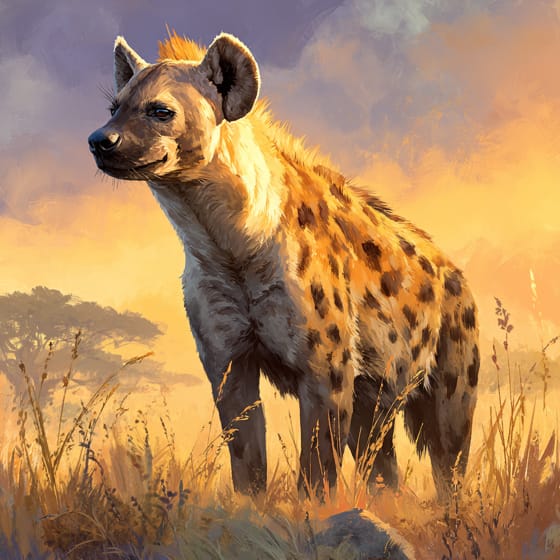
Crocuta crocuta
Hyenas frequently scavenge carcasses left or stored by leopards.
Furry describes animals possessing a dense covering of soft hair or fur.
Possessing prominent sensory hairs or vibrissae, often around the snout.
Marked with spots or patches of a different color.
Solitary animals live alone for most of their lives, only interacting with others for mating or parental care.

Arboreal animals live primarily in trees, utilizing them for shelter, food, and protection from predators.

Camouflaged describes organisms that possess coloring or patterns that allow them to blend into their environment.

An ambush predator hunts by patiently waiting and concealing itself, then launching a sudden attack when unsuspecting prey comes within range.

Forest habitats are terrestrial environments dominated by dense tree cover, supporting a high diversity of plant and animal life.

This trait identifies organisms whose diet consists entirely or primarily of animal tissue.

This trait identifies organisms that exhibit exceptional swiftness in movement for hunting, escape, or travel.

Nocturnal animals are primarily active during the nighttime hours, typically resting or sleeping during the day.
Danger
4/5 · High
Always admire leopards from a safe distance, like at a zoo or in a book!
90-190 cm
20-70 kg
12-17 years
58 km/h
Leopards are expert hunters that feast on many different animals, from small birds to larger deer!
Ambush
1-6
90-105 days
Zoom in to split clusters and explore where this object has been snapped.
Recent snaps will appear here as new observations are added.

Missouri, US
You might spot African Lion, Allen's Swamp Monkey, and Tiger.
View guide →

Missouri, US
You might spot Sheep, Giraffes, and Tiger.
View guide →
Maryland, US
You might spot African Lion, Red Fox, and Common Ostrich.
View guide →
Pennsylvania, US
You might spot African Lion, Giraffes, and Tiger.
View guide →

Minnesota, US
You might spot Cattle, Equus Ferus Przewalskii, and Leopard.
View guide →
Ohio, US
You might spot African Lion, Gharial, and Gray Wolf.
View guide →