
African Elephant
%2C_Playa_de_Boulders%2C_Simon%27s_Town%2C_Sud%C3%A1frica%2C_2018-07-23%2C_DD_11.jpg&width=800)
Nestled within the picturesque 745-acre expanse of Druid Hill Park, The Maryland Zoo in Baltimore offers an enchanting escape into the animal kingdom, making it a truly delightful destination for families and wildlife enthusiasts alike.
Nestled within the picturesque 745-acre expanse of Druid Hill Park, The Maryland Zoo in Baltimore offers an enchanting escape into the animal kingdom, making it a truly delightful destination for families and wildlife enthusiasts alike. As one of the oldest zoological parks in the United States, established in 1876, the zoo blends rich history with immersive, naturalistic exhibits that transport visitors across continents and into Maryland's own backyard. With a collection of over 1,500 animals representing nearly 200 species, there's always something wild and wonderful to discover. The visitor experience at The Maryland Zoo is designed to engage and educate, fostering a deep appreciation for conservation.
Journey through distinct geographical regions, beginning with the award-winning Penguin Coast, home to North America's most successful breeding colony of African penguins. Here, you can watch these agile birds waddle and swim, with incredible underwater views in the Penguin Education Center. Continue your adventure through the expansive African Journey, where iconic wildlife like majestic elephants, towering giraffes, powerful lions, and striking zebras roam natural habitats. Don't miss the chance for an unforgettable giraffe feeding experience or to witness the playful antics of chimpanzees in the Chimpanzee Forest.
Beyond the savannahs of Africa, the Maryland Wilderness exhibit invites you to explore the state's native wildlife, featuring river otters, bobcats, and various avian species. Younger visitors will particularly enjoy the Farmyard, offering hands-on encounters with alpacas, miniature donkeys, pigs, and sheep, alongside the interactive Children's Zoo area. The zoo's commitment to animal care and conservation shines through its thoughtfully designed habitats and engaging keeper chats, making every visit a journey of discovery and a powerful reminder of the importance of protecting our planet's diverse creatures. Explore the grounds like a pro—download the Snappit app to instantly identify animals and plants.
The Maryland Zoo boasts a storied past, tracing its origins back to the 1860s when the superintendent of Druid Hill Park began caring for a small collection of animals donated by Baltimore residents. The zoo was formally established on April 7, 1876, by an act of the Maryland state legislature, initially known as the Baltimore Zoo and later as the Druid Hill Park Menagerie. This makes it one of the oldest zoos in the United States. Early contributions, such as those from animal dealer Henry Bishop, helped form the nucleus of its animal collection. Over the decades, the zoo evolved, with infrastructure like a Camel House (1919), an Elephant and Hippopotamus House (1926), and a Reptile House (1948) being added. In the 1980s, the zoo began transitioning from traditional caged displays to naturalistic habitats, including the African Journey and Maryland Wilderness exhibits. In 2004, following a period of financial restructuring and increased support from private, state, and county funding, the institution was officially renamed "The Maryland Zoo in Baltimore," reaffirming its statewide significance.
Enjoy daily keeper chats and animal demonstrations. Experience up-close encounters like giraffe feeding or a special penguin encounter. Ride the Jones Falls Zephyr train for a scenic journey past the African Journey exhibit, or take a spin on the animal-themed carousel. Explore the Wildlife Quest VR experience for an immersive journey to Africa.
The zoo features paved trails, making it generally wheelchair-accessible. A tram connects visitors to Zoo Central, which can be helpful as some paths are uphill on the return journey.
Witness African penguins swimming and feeding, with excellent underwater viewing opportunities.
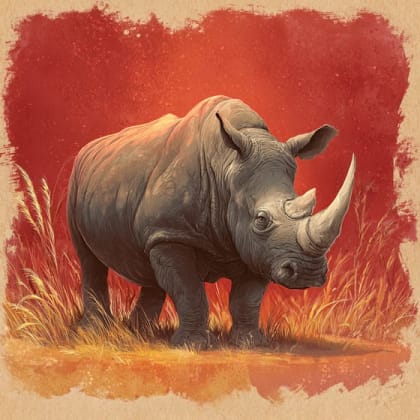
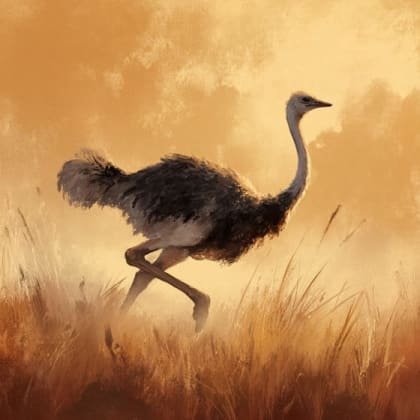
Home to elephants, giraffes (with feeding opportunities), lions, zebras, ostriches, and white rhinoceros.
Observe chimpanzees, lemurs, and Panamanian golden frogs in indoor and outdoor habitats.
Discover native Maryland wildlife, including river otters and bobcats, and explore the interactive Farmyard.
Each card links to a full Explore page with photos, traits, and fun facts.
Start with the big picture, then zoom in to explore individual wildlife observations around this place.
Arrive Early
Beat the crowds and see animals at their most active by arriving shortly after opening.
Wear Comfortable Shoes
The zoo spans 135 acres, and while walkable, there's a lot of ground to cover.
Utilize the Tram
Consider walking downhill to the main exhibits and taking the tram back uphill, especially at the end of your visit.
Check Daily Schedules
Look up keeper chats, animal feedings (like the African penguin feedings at 10:30-10:45 am or 3:30-3:45 pm), and special demonstrations upon arrival or online to plan your day.
Pack Snacks and Water
While concessions are available, bringing your own snacks, water bottles, and even a picnic lunch can save money and time, with many picnic spots available.
Don't Rush the "Smaller" Exhibits
While large animals are a draw, take time to appreciate the smaller, often equally fascinating creatures in exhibits like the Chimpanzee Forest (Panamanian golden frogs) or the Maryland Wilderness (river otters, bobcats).
Mar 2, 2026
Mar 1, 2026
Feb 28, 2026
Feb 28, 2026
Feb 28, 2026

Michigan, US
You might spot African Lion, Komodo Dragon, and Brown Bear.
View guide →
.jpg)
Municipal District of Cobh, IE
You might spot Ring-Tailed Lemur, Giraffes, and Cheetahs.
View guide →

Nouvelle-Aquitaine, FR
You might spot Greater Flamingo, Giraffes, and Red Panda.
View guide →

Texas, US
You might spot Giraffes, African Lion, and Eastern Black Rhinoceros.
View guide →
Take the discovery with you
Identify the wildlife you spot, learn as you go, and keep a collection of the adventure.