




Tiger
Nestled amidst the natural beauty of Apple Valley, Minnesota, the Minnesota Zoo offers an extraordinary journey through diverse ecosystems, bringing the wonders of the animal kingdom to life.
Nestled amidst the natural beauty of Apple Valley, Minnesota, the Minnesota Zoo offers an extraordinary journey through diverse ecosystems, bringing the wonders of the animal kingdom to life. This state-supported institution, spanning 485 acres, provides an immersive experience where guests can connect with wildlife from around the globe. From the humid rainforests of the Tropics Trail to the chilly landscapes of the Northern Trail, the zoo meticulously recreates habitats, ensuring a compelling and educational visit for all ages.The visitor experience at the Minnesota Zoo is designed for discovery and engagement.
Guests can wander through miles of outdoor trails and expansive indoor exhibits, guaranteeing animal sightings regardless of the weather. Highlights include the captivating Medtronic Minnesota Trail, showcasing native species like wolves, lynx, and bald eagles in regional landscapes, and the exotic Tropics Trail, where lemurs, gibbons, and tropical birds flourish amidst lush foliage. A truly unique feature is the Treetop Trail, an accessible 1.25-mile elevated walkway, offering a bird's-eye view of the zoo grounds and animals such as tigers, moose, and bison from up to 32 feet above the ground.Beyond animal viewing, the zoo emphasizes conservation and education, with daily programs like African penguin and shark feedings, and the "Wings & Things" animal show.
Seasonal events, from the "Farm Babies" program in spring to the "Jack-O-Lantern Spectacular" in fall, add to the dynamic appeal, making each visit potentially unique. The Minnesota Zoo is not just a place to see animals; it's an opportunity to learn about global biodiversity, witness vital conservation efforts firsthand, and foster a deeper appreciation for the natural world. Wondering what that bird or insect is? Find out on your visit using the Snappit nature app.
The Minnesota Zoo, initially known as the Minnesota Zoological Garden, opened its doors on May 22, 1978. It was revolutionary in its design, being one of the first zoos to organize animals by their living environment rather than by species, aiming to create more naturalistic habitats. As one of only two state-supported zoos in the United States, it operates as a state agency, distinct from most other zoos run by municipalities or private organizations. From its inception, the zoo's mission has been to connect people, animals, and the natural world to save wildlife, with a strong focus on conservation and education. The zoo quickly gained accreditation from the Association of Zoos and Aquariums (AZA) and has been involved in significant conservation projects both locally and globally for over 40 years.
Explore the various trails and indoor exhibits, attend daily animal presentations and feedings (like African penguin and shark feedings), and enjoy the "Wings & Things" animal show. Kids can enjoy play areas like Hanifl Family Wild Woods, Woodland Adventure, Dino Hideout, and the Bee Hive (indoor), as well as the splash pad in summer and the Conservation Carousel.
Winter: Enjoy warm indoor trails like Tropics Trail and Discovery Bay. Animals on outdoor trails like the Northern Trail are often very active in the cold. Spring: Witness the popular "Farm Babies" program at the Wells Fargo Family Farm. Summer: Take advantage of extended hours and outdoor play areas including the splash pad. Fall: Animals are often more active in cooler temperatures, and seasonal enrichment like pumpkins may be given to animals. The "Jack-O-Lantern Spectacular" is a popular event.
The Minnesota Zoo is highly accessible, with exhibits reachable by ramp or elevator. The Treetop Trail is ADA-compliant with elevator access points. Wheelchairs and electric conveyance vehicles (ECVs) are available for rent, and service animals are welcome. Accessible seating is available at shows, and family restrooms are located throughout. The MNZoo4All app provides sensory-friendly tips and maps.
A 1.25-mile elevated walkway offering unique perspectives of the zoo and its animals.
Features native Minnesota wildlife such as wolves, lynx, beaver, and bald eagles.
An indoor rainforest environment with lemurs, gibbons, red pandas, and diverse tropical birds and aquatic life.
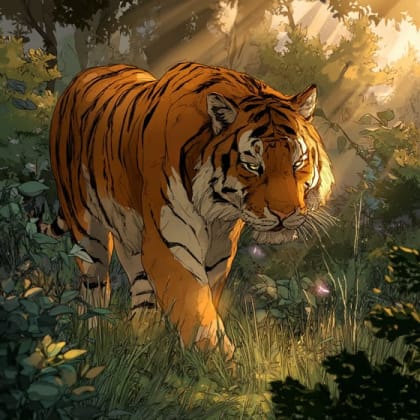
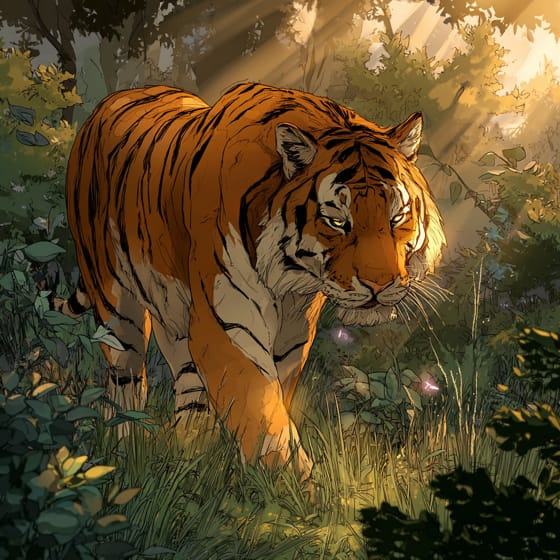
Home to cold-hardy animals like Amur tigers, moose, bison, and woodland caribou.
Each card links to a full Explore page with photos, traits, and fun facts.
Start with the big picture, then zoom in to explore individual wildlife observations around this place.
Arrive Early or Late
Animals are often most active and crowds are thinner during the first two hours after opening or the last two hours before closing.
Wear Comfortable Shoes
The zoo spans 485 acres with miles of trails, so be prepared for a lot of walking.
Check Daily Schedules
Look up feeding times, animal shows, and keeper talks (like penguin feedings or the "Wings & Things" show) online or at the entrance to plan your day.
Consider Bringing Your Own Food
Food and drinks inside the zoo can be expensive. Packing a picnic or snacks is a great way to save money, with many picnic spots available.
Utilize Indoor Exhibits During Winter
Don't let cold weather deter you; the Tropics Trail and Discovery Bay offer warm, immersive experiences year-round.
Explore the Treetop Trail
Don't miss this unique elevated walkway for different views of the zoo and its inhabitants.
Feb 28, 2026
Feb 28, 2026
Feb 27, 2026
Feb 26, 2026
Feb 26, 2026

Michigan, US
You might spot African Lion, Komodo Dragon, and Brown Bear.
View guide →
.jpg)
Municipal District of Cobh, IE
You might spot Ring-Tailed Lemur, Giraffes, and Cheetahs.
View guide →

Nouvelle-Aquitaine, FR
You might spot Greater Flamingo, Giraffes, and Red Panda.
View guide →

Texas, US
You might spot Giraffes, African Lion, and Eastern Black Rhinoceros.
View guide →
Take the discovery with you
Identify the wildlife you spot, learn as you go, and keep a collection of the adventure.