Grey Mullet
Chelon auratus
Grey Mullet is a strong fish that can be found in both salt and freshwater. They are known for their tasty flesh!
Habitat: Coastal waters
The Grey Mullet has a sleek, torpedo-shaped body, typically grey or silver with darker fins. It features large scales and a small, upturned mouth. Its subtle coloring helps it blend into coastal waters.
Category
FishRarity
Common
Danger
2/5 · Low
Snaps
Be the first to snap!
Many species gather in huge 'schools' that can fill a whole bay!
Mullet are ancient fish, with ancestors dating back millions of years!
Some Grey Mullet can live for over 10 years, even in busy estuaries!
They use tiny teeth on their gills to filter out their microscopic meals!
Grey Mullet can easily move between salty ocean water and fresh river water thanks to special kidney adaptations.
Grey Mullet has powerful tail muscles that help them leap high out of the water to escape predators.
Grey Mullet can suck up tiny bits of food from the seabed because of their unique, muscular mouth.
They are bottom-feeders, munching on tiny plants, algae, and detritus found in mud and sand.
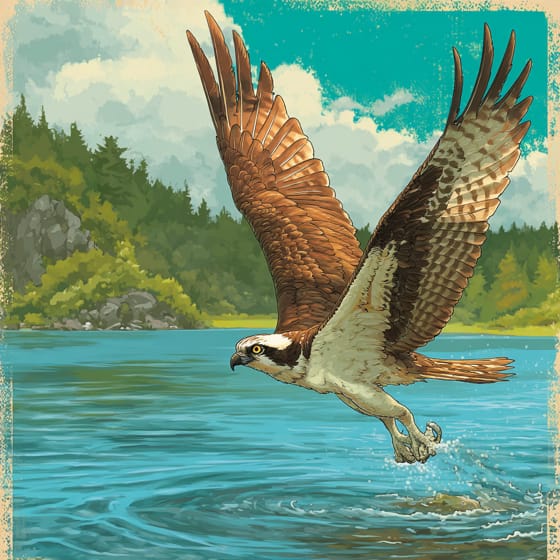
Pandion haliaetus
This fish-eating bird of prey dives from above to catch mullet.
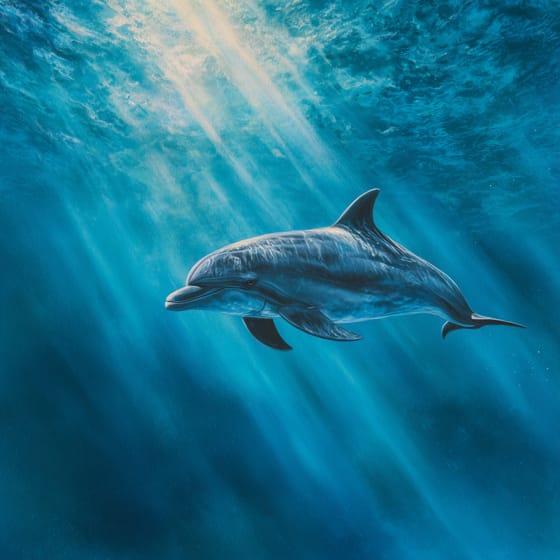
Tursiops truncatus
Dolphins hunt mullet in coastal waters, often herding them.
Sphyrna zygaena
These sharks are known to prey on schooling fish like mullet.
Wildlife encompasses all undomesticated animal and plant life existing in their natural habitats.
Piscivorous organisms are animals that primarily subsist on a diet of fish.
Coastal habitats are dynamic environments located along the interface between land and sea, influenced by tides, waves, and saltwater.
Aquatic habitats encompass environments where organisms live predominantly in water, including oceans, rivers, lakes, and wetlands.

Marine habitats encompass all saltwater environments of the Earth's oceans, supporting an immense diversity of aquatic life.
Danger
2/5 · Low
Watch quietly from a distance and never try to feed or chase wild animals.
30-70 cm
0.5-4 kg
5-12 years
They are bottom-feeders, munching on tiny plants, algae, and detritus found in mud and sand.
20 km/h
Coastal waters
Foraging
50 m
Zoom in to split clusters and explore where this object has been snapped.
Recent snaps will appear here as new observations are added.