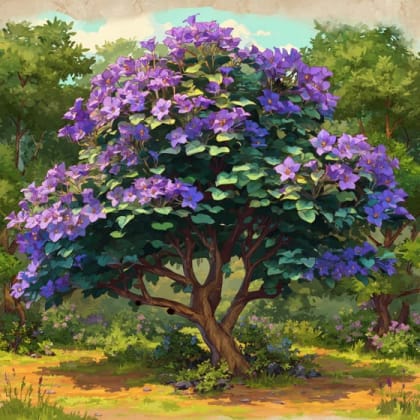


Apple Tree
Malus domestica
Apple Trees are famous for their delicious fruit! They have pretty pink and white flowers in the spring.
Habitat: Gardens and orchards
The Apple Tree has a rounded crown with ovate, finely toothed green leaves that turn yellow in fall. Its bark is often gray-brown and can be scaly, revealing pinkish hues beneath. In spring, it bursts with clusters of fragrant white or pink blossoms.
Category
TreesRarity
Common
Danger
1/5 · Very low
Snaps
Be the first to snap!
Apples float in water because they are about 25% air!
It takes energy from about 50 leaves to grow one apple!
The most popular apple varieties can trace their origins back to Central Asia!
The science of growing apples is called pomology!
Apple Tree blossoms release a sweet scent to attract bees and other pollinators, helping it create delicious fruit.
Apple Trees can store energy in their roots and branches over winter, allowing them to quickly grow new leaves in spring.
Apple Trees produce tasty fruits that encourage animals to eat and spread their seeds, helping new trees grow far away.
Apis mellifera
Bees collect nectar, transferring pollen between blossoms.
Cydia pomonella
Moth larvae burrow into apples, feeding on the fruit's core.
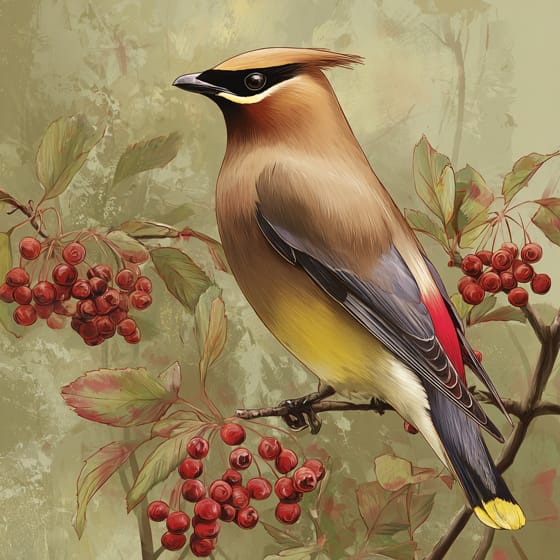
Bombycilla cedrorum
Birds consume fallen apples, helping disperse seeds.
Microtus pennsylvanicus
Voles chew on bark near the base, especially in winter.
Spring blooming plants produce their flowers during the spring season, often signifying the end of winter and the start of new growth.
Fruit-bearing plants produce fruits, which are the mature ovaries of flowering plants containing seeds.
A fruit tree is a perennial tree that produces fruit, which is edible to humans or animals.
This human use trait describes species cultivated or domesticated by humans for agricultural purposes, including crops and livestock.

Edible plants are those parts of a plant that are considered safe for human consumption.

This trait characterizes organisms with an exceptionally long lifespan compared to others of their kind.

This habitat trait indicates species that can coexist with humans in urban and suburban environments, utilizing man-made structures and green spaces.
Danger
1/5 · Very low
Do not pick or eat anything you find. Some plants and mushrooms can be harmful.
3-10 m
3-8 m
Yes
15-60 cm
50-100 years
Gardens and orchards
Pome
Medium
Zoom in to split clusters and explore where this object has been snapped.
Recent snaps will appear here as new observations are added.
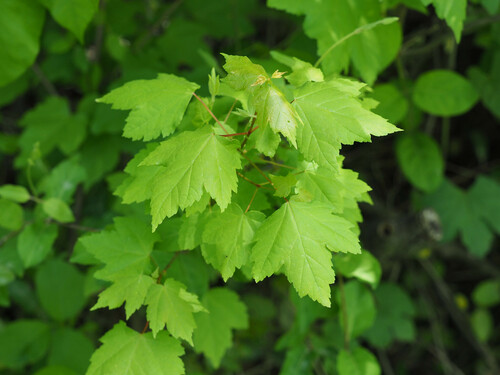
New York, US
You might spot Red Maple, Black Tupelo, and Sensitive Fern.
View guide →

Pennsylvania, US
You might spot Eastern Skunk Cabbage and American Hornbeam.
View guide →
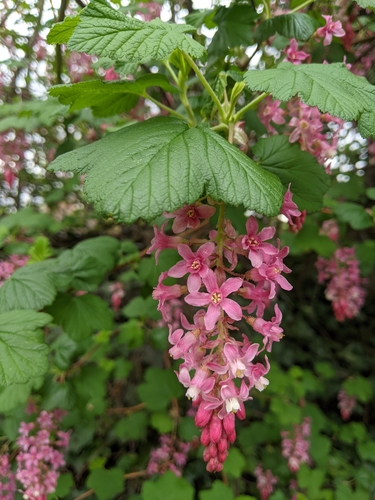
Kansas, US
You might spot Gooseberry Bush, Red Maple, and Virginia Creeper.
View guide →
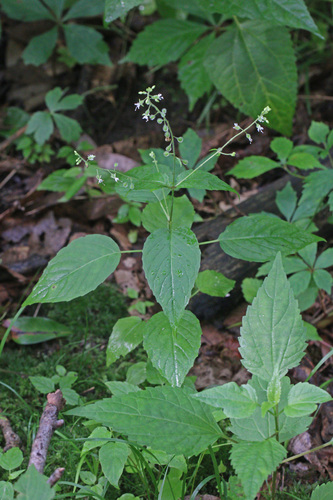
Virginia, US
You might spot Broadleaf Enchanter's Nightshade and White Avens.
View guide →
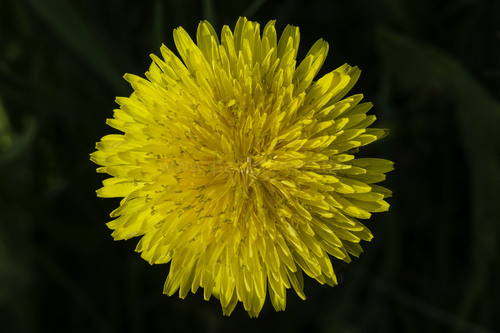
Colorado, US
You might spot Common Dandelion, Apple Tree, and Dwarf Mallow.
View guide →