


Peacock Butterfly
Nymphalis io
The Peacock Butterfly is a stunning butterfly with eye-like spots on its wings. It looks like a little jewel flying around!
Habitat: Gardens and woodlands
The Peacock Butterfly has striking reddish-brown wings, each adorned with a large, iridescent blue and black eyespot resembling an owl's eye. Its underside is dark and camouflaged, helping it blend in when its wings are closed.
Category
InsectsRarity
Common
Danger
2/5 · Low
Snaps
Be the first to snap!
Adult butterflies can live through winter by hiding in cool, quiet places like tree hollows.
Peacock Butterflies can make a soft "hissing" sound by rubbing their wings together!
Their caterpillars weave communal silk "tents" where they munch on nettles together.
They taste with their feet to find the best plants for laying their eggs.
Peacock Butterfly can suddenly flash its vibrant eyespots to surprise and deter hungry predators like birds.
Peacock Butterfly can rub its wings together to produce a faint hissing sound, helping to warn off potential threats.
Peacock Butterfly can hibernate as an adult, allowing it to survive cold winters and emerge early in spring.
Peacock Butterfly has dark, bark-like wing undersides, which it uses to blend in perfectly when resting with wings closed.
Caterpillars munch on nettles, while adult butterflies sip nectar, tree sap, and rotting fruit.
Age differences: Caterpillars feed on plant leaves (primarily nettles), while adults feed on liquid plant matter.
Urtica dioica
Caterpillars feed on leaves.
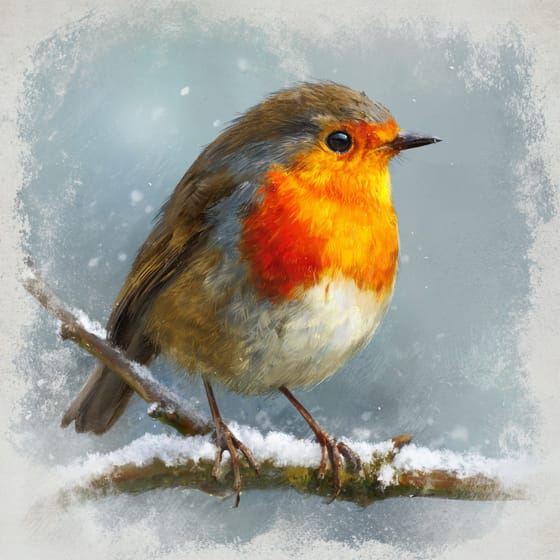
Erithacus rubecula
Birds may prey on adults.
Buddleja davidii
Adults visit for nectar.
Taraxacum officinale
Early spring nectar source.
Wildlife encompasses all undomesticated animal and plant life existing in their natural habitats.
Marked with spots or patches of a different color.
Camouflaged describes organisms that possess coloring or patterns that allow them to blend into their environment.
Colorful describes organisms or objects displaying a wide range of bright and distinct colors.

This trait characterizes organisms whose diet consists entirely or primarily of plant material.

Forest habitats are terrestrial environments dominated by dense tree cover, supporting a high diversity of plant and animal life.

Diurnal animals are primarily active during daylight hours, typically resting or sleeping at night.

Describes organisms that transfer pollen, enabling the fertilization and reproduction of plants.
Danger
2/5 · Low
Do not touch or pick up. Some insects sting or bite. Ask an adult for help.
50-65 mm
25-35 mm
30-330 days
Caterpillars munch on nettles, while adult butterflies sip nectar, tree sap, and rotting fruit.
Gardens and woodlands
Foraging
6
Zoom in to split clusters and explore where this object has been snapped.
Recent snaps will appear here as new observations are added.