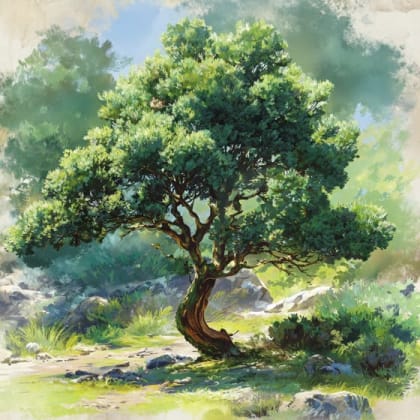
Miscanthus
Miscanthus
Miscanthus is a tall grass that can grow quite high! It has long, green leaves that sway in the wind like a dance.
Habitat: Fields and gardens
The Miscanthus has tall, upright stems topped with graceful, feathery plumes that can be silvery, pinkish, or reddish-brown. Its long, arching green leaves often develop striking fall colors, making it stand out in any landscape.
Category
PlantsRarity
Common
Danger
1/5 · Very low
Snaps
Be the first to snap!
Gardeners often use Miscanthus to create natural privacy screens or beautiful backdrops.
Miscanthus is being explored as a sustainable building material for houses and furniture.
Rustling Miscanthus leaves make a soothing sound like paper crinkling in the wind.
Some types of Miscanthus are called 'elephant grass' because they can grow taller than an elephant!
Miscanthus has an incredibly efficient growth system that helps it grow quickly and produce a lot of plant material.
Miscanthus can spread using underground stems called rhizomes, which helps it establish new colonies and cover ground.
Miscanthus can stand tall even in winter, providing shelter and structure in cold landscapes after its leaves dry out.
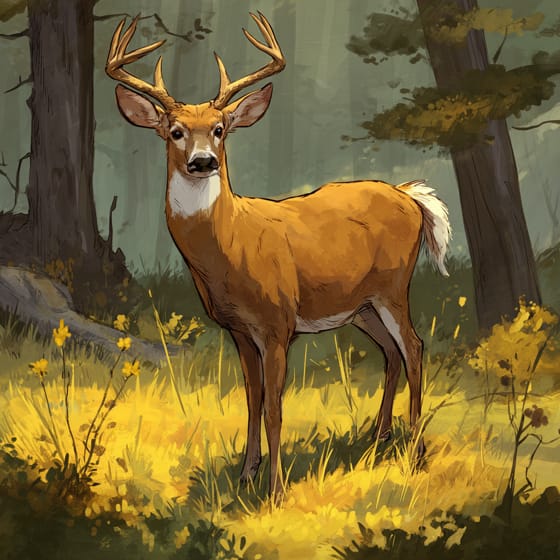
Odocoileus virginianus
Deer may browse on young Miscanthus shoots.
Microtus pennsylvanicus
Voles create runways through dense Miscanthus.
Spizella pusilla
Sparrows often nest in tall grass clumps.
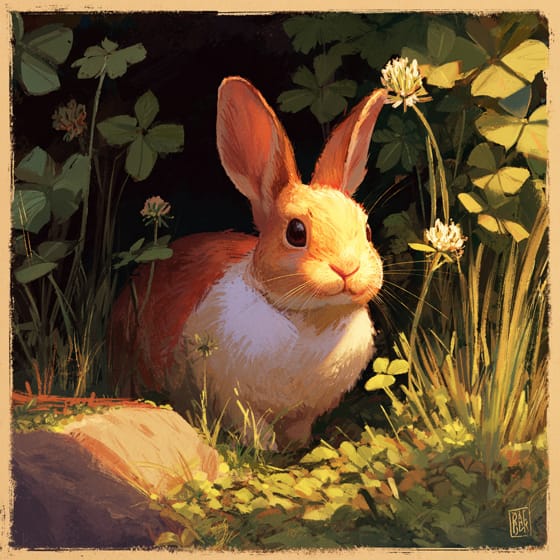
Oryctolagus cuniculus
Rabbits can graze on the tender leaves.
Grass-like plants are herbaceous plants that visually resemble true grasses, typically having long, narrow leaves.
Grassland habitats are terrestrial biomes dominated by grasses and herbaceous plants, supporting a variety of grazing animals.
Describes plants that are particularly attractive and beneficial to a wide range of pollinating organisms.
Rapid growing plants exhibit accelerated growth rates, quickly increasing in size and biomass within a short period.
Danger
1/5 · Very low
Explore with care and ask an adult if you’re unsure what to do.
150-400 cm
60-150 cm
15-30 cm
Late summer to fall
No
None
Perennial
Wind
Zoom in to split clusters and explore where this object has been snapped.
Recent snaps will appear here as new observations are added.