English Oak
Quercus robur
The English Oak is a strong tree with a thick trunk and wide branches. It provides shade and homes for many animals.
Habitat: Forests
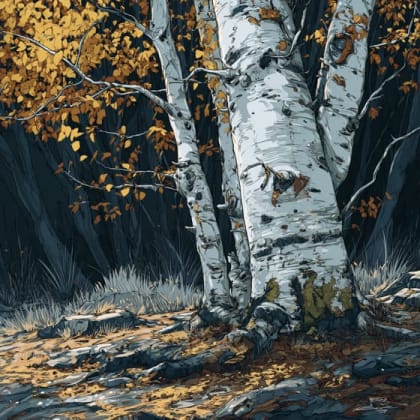
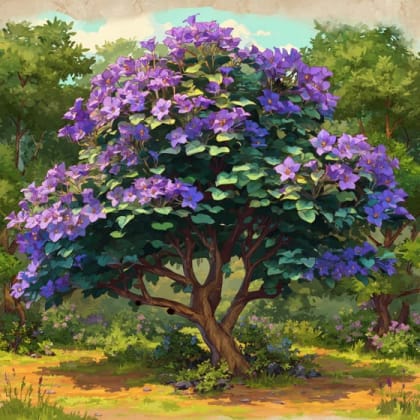
The English Oak is a large, majestic tree with a broad, irregular crown. It has deeply lobed leaves that turn golden in autumn and distinctive fissured, gray-brown bark. Its small acorns, often found in clusters, hang from long stalks.
Category
TreesRarity
Common
Danger
1/5 · Very low
Snaps
5
English Oaks are more likely to be struck by lightning than most other trees!
Its super strong wood was once used to build mighty ships, like those of the Royal Navy!
Look closely! An oak tree's branches provide homes and food for hundreds of different insect species.
Some ancient English Oaks are so big, their hollow trunks have been used as tiny houses or chapels!
English Oak can grow a powerful taproot that helps it stay upright against strong winds and find water deep underground.
English Oak has special chemicals called tannins in its wood, protecting it from pests and diseases, helping it live longer.
English Oak can produce thousands of acorns, ensuring many new trees can sprout even if some are eaten by animals.
Sciurus carolinensis
loves to eat and bury its acorns.
Garrulus glandarius
buries acorns to eat later, helping plant new oaks.
Favonius quercus
its caterpillars feast on young oak leaves.
Boletus edulis
shares nutrients with its roots underground.
Deciduous plants periodically shed all their leaves, typically during autumn or dry seasons.
Shade tolerant plants are adapted to grow and thrive in areas with low light levels, requiring less direct sunlight.
Broadleaf trees are angiosperms characterized by flat, wide leaves that are typically shed annually in temperate climates.
Fruit-bearing plants produce fruits, which are the mature ovaries of flowering plants containing seeds.

Forest habitats are terrestrial environments dominated by dense tree cover, supporting a high diversity of plant and animal life.

This trait characterizes organisms with an exceptionally long lifespan compared to others of their kind.
Danger
1/5 · Very low
Do not pick or eat anything you find. Some plants and mushrooms can be harmful.
20-40 m
15-30 m
No
100-300 cm
300-800 years
Forests
Acorn
Medium
Zoom in to split clusters and explore where this object has been snapped.

England, UK
You might spot Sika Deer, European Robin, and Eurasian Jackdaw.
View guide →

England, UK
You might spot Cinnabar Moth, Common Moorhen, and Marmalade Hover Fly.
View guide →
.jpg)
Ústí nad Labem Region, CZ
You might spot Great Spotted Woodpecker and Red-Crested Pochard.
View guide →
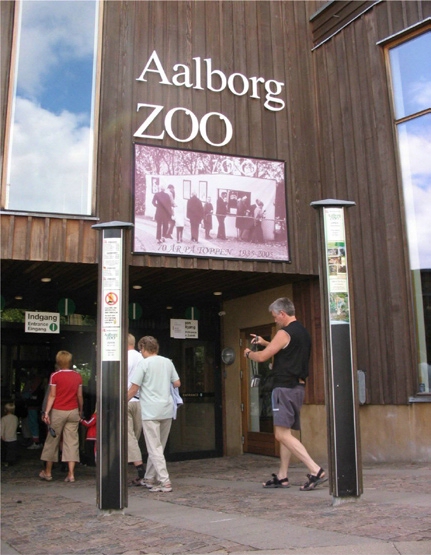
North Denmark Region, DK
You might spot House Sparrow, Eurasian Jackdaw, and Common Wood-Pigeon.
View guide →
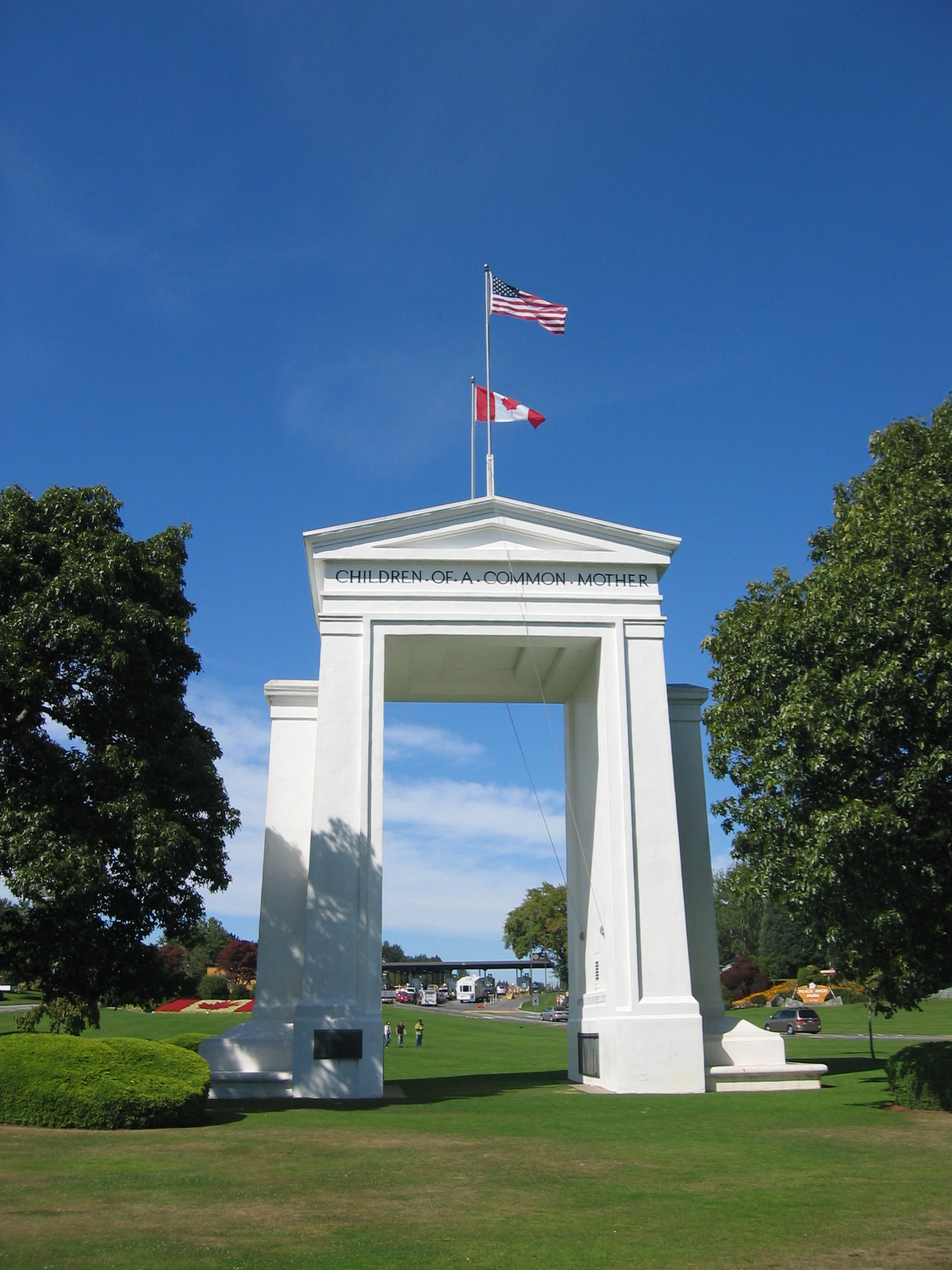
British Columbia, CA
You might spot Greater Yellowlegs and Glaucous-Winged Gull.
View guide →