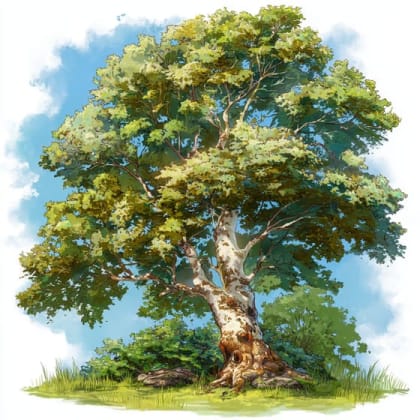
European Beech

## Peace Arch Historical State Park: A Symbol of Enduring Friendship
## Peace Arch Historical State Park: A Symbol of Enduring Friendship
Peace Arch Historical State Park offers a truly unique experience, straddling the international boundary between the United States and Canada. This serene 20-acre day-use park, jointly managed by Washington State Parks and BC Parks, is a living monument to over a century of peace and cooperation between the two nations. At its heart stands the iconic 67-foot Peace Arch, a dramatic white structure rising from manicured lawns and vibrant gardens, symbolizing the world's longest undefended border. It's a place where history, nature, and international amity converge, providing a beautiful and thought-provoking destination for visitors from both sides of the border and beyond.
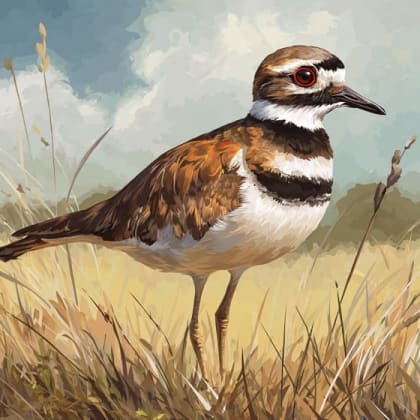
The park is renowned for its spectacular horticultural displays, featuring thousands of annuals planted each year, including impressive floral flag gardens representing both the US and Canada. Visitors can stroll through these meticulously maintained gardens, enjoy peaceful walks on broad lawns, and discover a charming lily pond. Beyond the cultivated beauty, the park and surrounding areas are home to diverse wildlife. Birdwatchers might spot a variety of species, such as the majestic Bald Eagle, the elegant Great Blue Heron, numerous Glaucous-winged Gulls, or the vibrant Anna's and Rufous Hummingbirds. Waterfowl like Northern Pintail, Green-winged Teal, Greater Scaup, and American Wigeon are also common, alongside ground dwellers like Killdeer and White-crowned Sparrows. The park's trees, including European beech, English oak, and American sycamore, provide habitat, while plants like Salmonberry offer seasonal interest. Keep an eye out for Mule Deer and Eastern Gray Squirrels among the foliage.
Visiting Peace Arch Historical State Park is a memorable experience that transcends a typical park outing. It offers the extraordinary opportunity to literally walk between two countries within the park boundaries without formal border crossing, fostering a profound sense of connection and shared heritage. Whether you're admiring the architectural grandeur of the Arch, picnicking on the vast lawns with views of Semiahmoo Bay and the Gulf Islands, or simply soaking in the peaceful atmosphere, the park serves as a powerful reminder of enduring international friendship. The combination of historical significance, natural beauty, and the chance to observe a wide array of local species makes it a truly unique destination. Be ready to snap and learn! Get the Snappit app to identify any nature species you find here.
The Peace Arch monument was conceived by American businessman and humanitarian Sam Hill, who envisioned a structure to commemorate over a century of peace between the United States and Canada following the War of 1812 and the signing of the Treaty of Ghent in 1814. Dedicated on September 6, 1921, the 67-foot arch was constructed as the world's first monument dedicated to peace. The design by architect Harvey Wiley Corbett symbolized unity, with inscriptions like "Children of a Common Mother" on the U.S. side and "Brethren Dwelling Together in Unity" on the Canadian side, and the enduring phrase "May These Gates Never Be Closed" inside the arch. The land for the surrounding park was acquired through a unique fundraising effort, with schoolchildren from both Washington State and British Columbia contributing pennies and nickels. The Washington side officially became a state park in 1931, and the Canadian portion followed as a provincial park in 1939, solidifying its status as an international peace park jointly managed by both nations.
Walk through the gardens and along the pathways, enjoy a picnic, take photos of the Peace Arch and surrounding landscapes, and engage in birdwatching to spot local species like Bald Eagles or Great Blue Herons. You can also simply relax on the open lawns.
Spring: Witness the spectacular bloom of rhododendrons and the initial planting of thousands of annual flowers. Migratory birds begin to arrive.
Summer: The gardens are in full bloom, offering the most vibrant displays. This is peak season for visitors and outdoor activities.
Fall: Enjoy changing foliage, cooler temperatures, and continued birdwatching opportunities as migratory patterns shift.
Winter: The park remains open, offering a quieter, contemplative experience. Some facilities like water taps may be shut off.
The park offers accessible restrooms, ADA-compliant picnic tables, and paved pathways suitable for wheelchairs, strollers, walking, rolling, and running.
The iconic Peace Arch monument and its significant inscriptions.
The extensive formal gardens, including the unique floral flag displays.
Interpretive panels detailing the history and significance of the park.
The lily pond and various scenic viewpoints.
Each card links to a full Explore page with photos, traits, and fun facts.
Start with the big picture, then zoom in to explore individual wildlife observations around this place.
Bring a Discover Pass
If accessing the U.S. side by vehicle, a Discover Pass is required for parking. One-day or annual passes can be purchased at automated pay stations in the park.
Pack a Picnic
The park features numerous picnic tables and expansive lawns, making it an ideal spot for an outdoor meal amidst beautiful surroundings.
Wear Comfortable Shoes
The park's manicured lawns and pathways are perfect for leisurely strolls, so comfortable footwear is recommended.
Carry Binoculars
For birdwatching, binoculars will enhance your ability to spot and identify the many species, including migratory birds and resident raptors.
Be Border Aware
While you can roam freely within the park, be mindful of the international border and do not attempt to exit the park without proper identification if you plan to formally cross the border.
Leave No Trace
Help preserve the park's beauty by disposing of waste properly and respecting all plant and animal life. Drones are generally not permitted.
Jan 25, 2026
Jan 25, 2026
Jan 25, 2026
Jan 25, 2026
Jan 23, 2026

Maryland, US
You might spot White-Tailed Deer and Eastern Gray Squirrel.
View guide →
.jpg)
District of Columbia, US
You might spot Eastern Gray Squirrel, Duck, and House Sparrow.
View guide →

Illinois, US
You might spot American Robin, Canada Goose, and House Sparrow.
View guide →

Virginia, US
You might spot Spotted Lanternfly and Northern Cardinal.
View guide →
Take the discovery with you
Identify the wildlife you spot, learn as you go, and keep a collection of the adventure.