






Pink Salmon
Oncorhynchus gorbuscha
The Pink Salmon is the smallest salmon species and is known for its light pink flesh! They are very abundant and easy to catch.
Habitat: Ocean and freshwater rivers
The Pink Salmon is silver in the ocean with tiny scales and large oval spots on its back and tail. During spawning, males develop a distinctive, very large hump on their back and a hooked jaw, changing to an olive-green and brown hue.
Category
FishRarity
Common
Danger
2/5 · Low
Snaps
Be the first to snap!
Baby pink salmon, called fry, rush to the ocean almost immediately!
Males grow a striking hook-jaw and hump for spawning!
Pink Salmon are the most numerous Pacific salmon species!
They have a super short two-year lifespan, then they're done!
Pink Salmon can survive in both fresh and saltwater by adapting their bodies because of their anadromous life cycle.
Male Pink Salmon develop a large dorsal hump during spawning to display dominance and intimidate rivals for mates.
Pink Salmon can find their way back to their exact birth river using their amazing sense of smell.
Pink Salmon eat tiny ocean creatures like plankton and small fish, growing bigger in the sea!
Age differences: Young salmon eat zooplankton and insects in estuaries; adults primarily eat small fish, krill, and squid in the ocean.
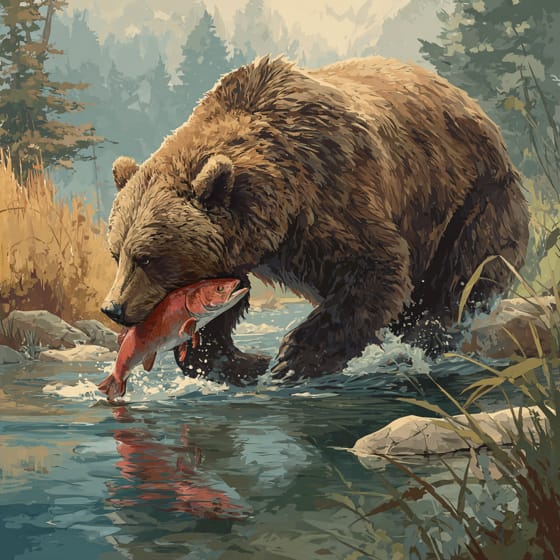
Ursus arctos
Spawning salmon are a vital food source.

Haliaeetus leucocephalus
Eagles snatch salmon from rivers during migrations.
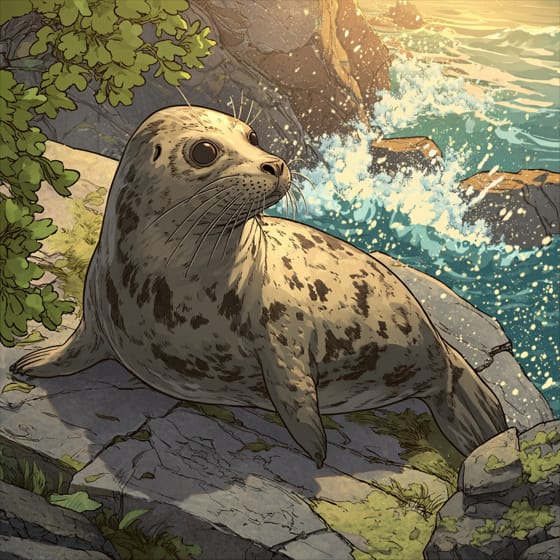
Phoca vitulina
Seals prey on salmon in coastal waters.
Euphausia pacifica
Krill are a primary food source for adults.
Wildlife encompasses all undomesticated animal and plant life existing in their natural habitats.
This trait identifies organisms whose diet includes both plant and animal matter.
Piscivorous organisms are animals that primarily subsist on a diet of fish.
Freshwater habitats include non-saline aquatic environments such as rivers, lakes, ponds, and wetlands, vital for numerous species.

Aquatic habitats encompass environments where organisms live predominantly in water, including oceans, rivers, lakes, and wetlands.

Migratory animals undertake seasonal movements from one region to another, typically in response to changes in climate or food availability.
Danger
2/5 · Low
Watch quietly from a distance and never try to feed or chase wild animals.
30-60 cm
1-2.5 kg
2 years
Pink Salmon eat tiny ocean creatures like plankton and small fish, growing bigger in the sea!
12 km/h
Ocean and freshwater rivers
Foraging
250 m
Zoom in to split clusters and explore where this object has been snapped.
Recent snaps will appear here as new observations are added.
















