Sardine
Sardina pilchardus
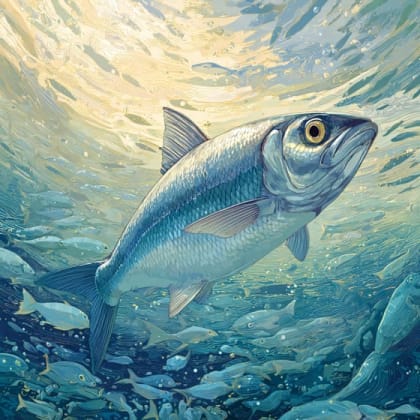
Sardines are small, oily fish that are usually found in big groups. They are tasty and very healthy to eat!
Habitat: Open ocean
The Sardine is a slender, torpedo-shaped fish with shimmering silver sides and a distinctive blue-green back. It has small, easily detachable scales and a relatively small mouth, differentiating it from similar, larger-mouthed fish like anchovies.
Category
FishRarity
Common
Danger
2/5 · Low
Snaps
Be the first to snap!
Sardine schools can stretch for kilometers, looking like a moving ocean city!
Sardines filter tiny plants and animals, helping to clean the ocean as they eat!
The name 'sardine' might come from the island of Sardinia, where they were once abundant.
They produce special oils that are super healthy for humans and other animals.
Sardine can swim in massive schools because of their strong social instinct, which helps them confuse predators.
Sardine has gill rakers that act like tiny sieves, helping them filter-feed efficiently on microscopic ocean life.
Sardine can make incredibly fast turns and dart away, helping them escape from hungry predators in a flash.
Sardines are tiny ocean cleaners, gobbling up microscopic plants and animals from the water!
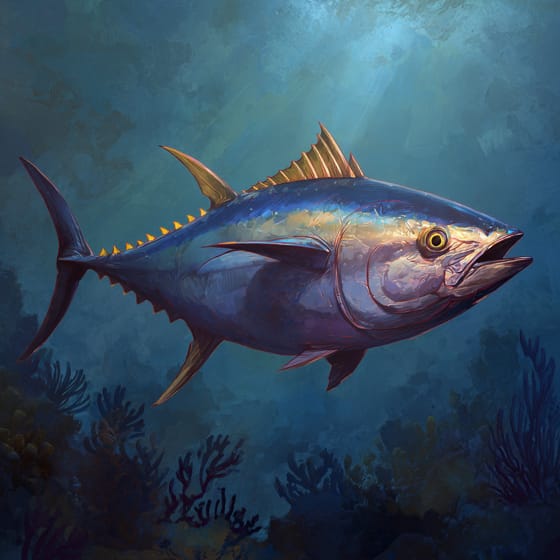
Thunnus thynnus
A primary food source for larger predatory fish.
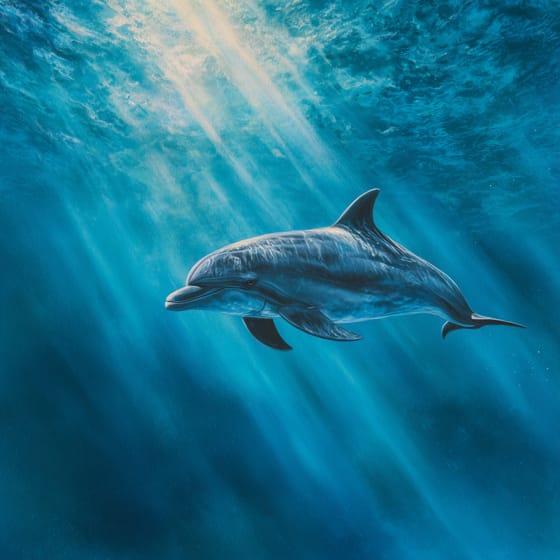
Tursiops truncatus
Dolphins hunt sardine schools for an easy meal.
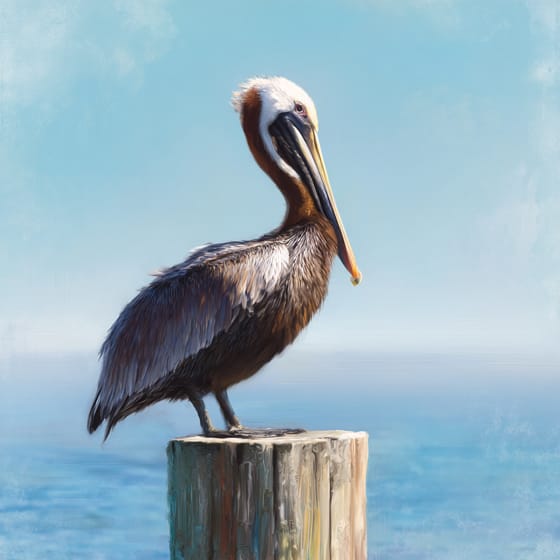
Pelecanus occidentalis
Seabirds dive into schools to catch sardines.
Calanus finmarchicus
Sardines filter these small crustaceans from the water.
Chaetoceros debilis
They consume various phytoplankton, including diatoms.
Wildlife encompasses all undomesticated animal and plant life existing in their natural habitats.
This trait identifies organisms whose diet includes both plant and animal matter.
Filter feeders obtain nutrients by straining suspended food particles and small organisms from water.
Aquatic habitats encompass environments where organisms live predominantly in water, including oceans, rivers, lakes, and wetlands.

Marine habitats encompass all saltwater environments of the Earth's oceans, supporting an immense diversity of aquatic life.
Danger
2/5 · Low
Watch quietly from a distance and never try to feed or chase wild animals.
10-25 cm
0.05-0.2 kg
3-7 years
Sardines are tiny ocean cleaners, gobbling up microscopic plants and animals from the water!
15 km/h
Open ocean
Filter Feeding
200 m
Zoom in to split clusters and explore where this object has been snapped.
Recent snaps will appear here as new observations are added.