





Brown Pelican
Pelecanus occidentalis
The Brown Pelican is a large bird with a long bill and a stretchy throat pouch. It loves to dive from high up to catch fish in the ocean.
Habitat: Coastal areas
The Brown Pelican is a large coastal bird with a dark brown body and a white head and neck, often with a yellow wash on its crown. It has a distinctive long bill with a large expandable gular pouch used for fishing.
Category
BirdsRarity
Common
Danger
2/5 · Low
Snaps
176
Baby pelicans are born naked, blind, and totally helpless!
Brown Pelicans are excellent flyers, often gliding for miles without flapping!
Its amazing throat pouch can stretch to hold three times more fish than its belly!
Their giant bill has a hook at the tip, perfect for gripping slippery fish!
Brown Pelican has a giant throat pouch that helps them scoop up fish like a net during spectacular dives.
Brown Pelican can plunge from high above the water because of its strong body, helping it catch fish.
Brown Pelican has specialized oils that waterproof its feathers, helping it stay dry even after deep dives.
A skillful fisher, this bird eats mostly small fish by spectacular plunge dives into the water.
Brevoortia tyrannus
A primary food source for pelicans.
Sardinops sagax
Often targeted in large schools.

Rattus rattus
Preys on pelican eggs and chicks.
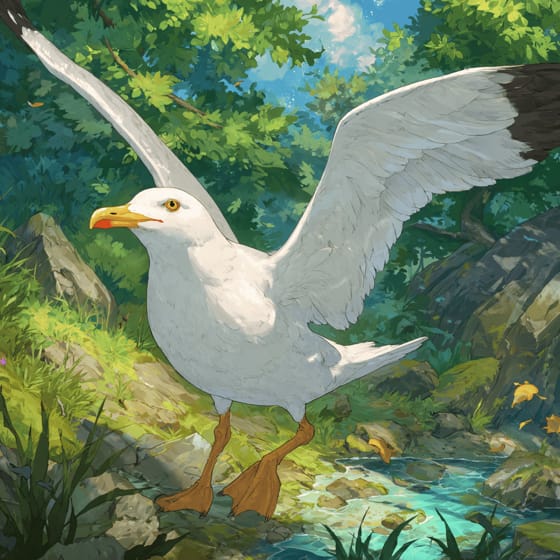
Larus argentatus
Often steal fish from a pelican's pouch.
Wildlife encompasses all undomesticated animal and plant life existing in their natural habitats.
Feathered describes animals, primarily birds, possessing a covering of feathers.
Social animals live in organized groups, cooperating for survival benefits such as foraging, defense, and raising offspring.
Aerial creatures spend a significant portion of their lives airborne, utilizing flight for various activities such as hunting, migration, or nesting.

Piscivorous organisms are animals that primarily subsist on a diet of fish.

Coastal habitats are dynamic environments located along the interface between land and sea, influenced by tides, waves, and saltwater.

Diurnal animals are primarily active during daylight hours, typically resting or sleeping at night.

Describes a species whose presence and role have a disproportionately large effect on its environment.
Danger
2/5 · Low
Watch Brown Pelicans from a safe distance and never disturb them while they are fishing or resting.
The easiest way to identify Brown Pelican is to use the Snappit nature identifier app.
106-137 cm
203-228 cm
2.7-5.5 kg
10-30 years
48 km/h
A skillful fisher, this bird eats mostly small fish by spectacular plunge dives into the water.
Coastal areas
Zoom in to split clusters and explore where this object has been snapped.
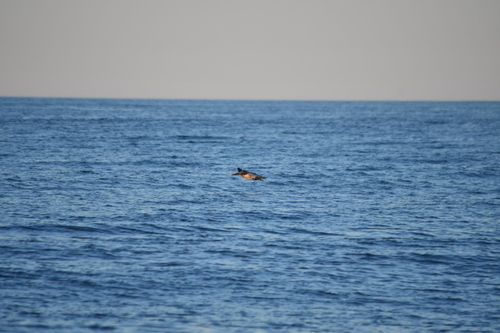
Jun 3, 2026
Fort MilesPhoto attribution
(c) inbetweenbays, some rights reserved (CC BY)
License: CC BY 4.0 ↗
Image may be shown cropped inside the card frame.
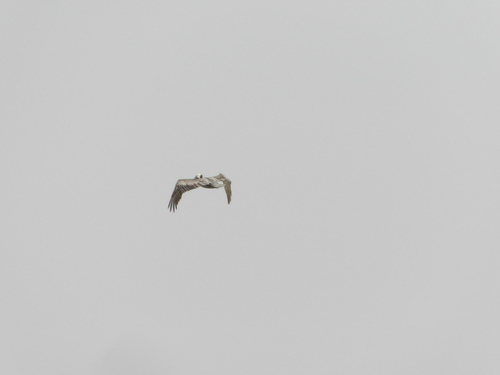
May 30, 2026
Miami Beach Botanical GardenPhoto attribution
(c) David Garza, some rights reserved (CC BY)
License: CC BY 4.0 ↗
Image may be shown cropped inside the card frame.

California, US
You might spot Snowy Egret, Great Blue Heron, and Willet.
View guide →

Georgia, US
You might spot Brown Anole, Anole, and Gulf Fritillary.
View guide →

California, US
You might spot Peridot Sweat Bee and Western Fence Lizard.
View guide →

California, US
You might spot Sunburst Anemone, Ochre Sea Star, and Striped Shore Crab.
View guide →

Virginia, US
You might spot Eastern Gray Squirrel, Duck, and Northern Mockingbird.
View guide →

California, US
You might spot Great Blue Heron, Western Gull, and Coyote.
View guide →
Take the discovery with you
Snap it with Snappit to identify it, learn what makes it special, and add the discovery to your collection.





.jpg&width=800)









