






Bullsnake
Pituophis melanoleucus
Bullsnakes are known for their impressive size and strength! They are excellent hunters and help keep pests under control.
Habitat: Grasslands and deserts
The Bullsnake is a large, robust snake with a base color of yellow, tan, or white, featuring dark brown or black blotches. These blotches are square-ish near the head, becoming more rounded or banded towards its tail. It has a distinctive pointed snout and a dark line often runs through its eye, making it look different from rattlesnakes.
Category
ReptilesRarity
Common
Danger
2/5 · Low
Snaps
Be the first to snap!
Bullsnakes are amazing climbers, even up trees!
Bullsnakes can eat a whole gopher in one meal!
Its loud hiss sounds like a leaky tire!
They help farmers by eating pesky rodents.
Bullsnake has strong muscles that help them constrict prey, squeezing tightly until the meal is ready to be swallowed.
Bullsnake has a pointed snout and powerful body that helps them dig into soft soil to find shelter or prey.
A skilled hunter, the Bullsnake eats small animals, birds, and eggs to stay strong!
Age differences: Young snakes eat more lizards and small rodents; adults eat larger prey.
Microtus pennsylvanicus
Bullsnakes hunt this common field mouse.
Thomomys bottae
Bullsnakes enter burrows to hunt these burrowing rodents.
Colinus virginianus
Bullsnakes eat the eggs and nestlings of this ground-nesting bird.
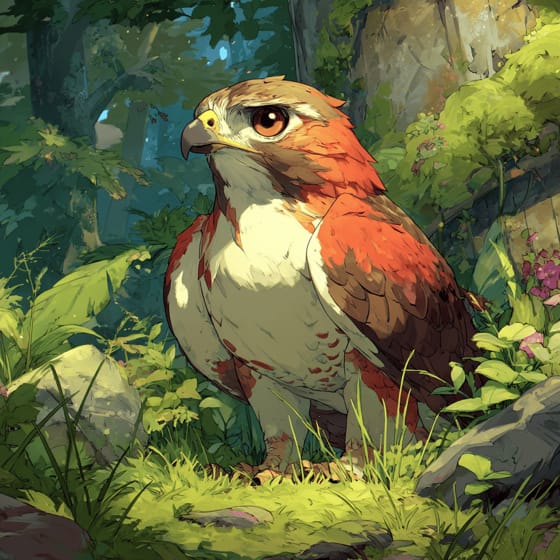
Buteo jamaicensis
These large birds of prey sometimes hunt Bullsnakes.
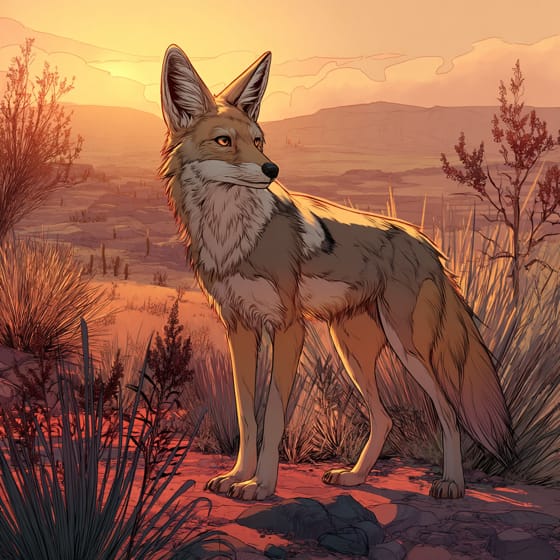
Canis latrans
Coyotes are opportunistic predators that may eat Bullsnakes.
Wildlife encompasses all undomesticated animal and plant life existing in their natural habitats.
Solitary animals live alone for most of their lives, only interacting with others for mating or parental care.
Camouflaged describes organisms that possess coloring or patterns that allow them to blend into their environment.
Grassland habitats are terrestrial biomes dominated by grasses and herbaceous plants, supporting a variety of grazing animals.

Desert habitats are arid regions characterized by extremely low precipitation and often extreme temperatures, supporting specialized flora and fauna.

This trait characterizes organisms with an exceptionally long lifespan compared to others of their kind.

This trait identifies organisms whose diet consists entirely or primarily of animal tissue.

Nocturnal animals are primarily active during the nighttime hours, typically resting or sleeping during the day.
Danger
2/5 · Low
Look but don’t touch. Keep a safe distance and wash hands after exploring.
100-250 cm
1-4.5 kg
10-20 years
5 km/h
A skilled hunter, the Bullsnake eats small animals, birds, and eggs to stay strong!
Grasslands and deserts
Pursuit
10-24
Zoom in to split clusters and explore where this object has been snapped.
Recent snaps will appear here as new observations are added.

















